


Listed buildings are an important part of Britain’s architectural heritage, and maintaining them requires a careful balance between preserving historic character and protecting the building from deterioration. If your listed property has rendered walls, you may wonder what cleaning methods are permitted and whether removing years of dirt, green algae and red algae could affect its listed status.
Unlike modern homes, listed buildings often feature traditional render materials that require specialist knowledge and gentle cleaning techniques. Using the wrong approach can damage historic finishes and potentially lead to expensive repairs.
If your listed property requires professional render cleaning, Soft Washing UK provides specialist soft washing services designed to clean rendered surfaces safely while respecting the condition and character of the building.
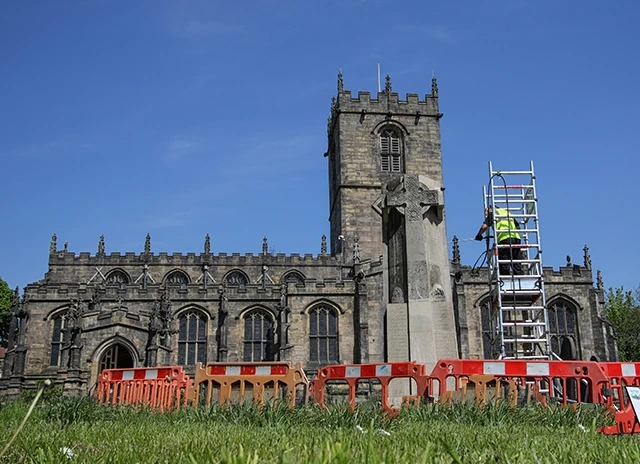
What Is a Listed Building?
A listed building is recognised for its special architectural or historic interest and is legally protected.
Buildings are generally categorised as:
| Listing Grade | Description |
|---|---|
| Grade I | Buildings of exceptional interest |
| Grade II* | Particularly important buildings of more than special interest |
| Grade II | Buildings of special interest |
The listing protects features that contribute to the building’s historic significance, which may include rendered external walls.
Does Listing Prevent Render Cleaning?
No.
Listed status does not mean you cannot clean render.
However, it does mean that any work should be carried out carefully and appropriately.
Routine maintenance is generally encouraged because it helps preserve the building.
Cleaning should always aim to:
- Protect historic materials
- Preserve the original appearance
- Avoid unnecessary damage
- Respect traditional construction methods
Why Historic Render Needs Extra Care
Older render often differs significantly from modern render systems.
Traditional properties commonly feature:
| Historic Render | Modern Render |
|---|---|
| Lime-based | Silicone |
| Breathable | Highly water resistant |
| Flexible | Manufactured finish |
| Handmade texture | Uniform appearance |
| Historic craftsmanship | Modern installation |
These materials behave differently when exposed to moisture and cleaning chemicals.
Why Pressure Washing Can Be Harmful
High-pressure washing is rarely appropriate for historic render.
Potential risks include:
| High Pressure Risk | Possible Damage |
|---|---|
| Surface erosion | Loss of original finish |
| Water penetration | Damp problems |
| Cracking | Structural deterioration |
| Removal of lime | Permanent damage |
| Uneven cleaning | Patchy appearance |
Gentle cleaning methods are normally preferred for listed properties.
Biological Growth Is Common on Historic Buildings
Many listed buildings are located in rural settings surrounded by mature trees, gardens or stone walls.
These conditions encourage:
- Moss
- Lichen
- Mould
- Mildew
- Green algae
- Red algae
Because older buildings often retain moisture for longer, biological growth can develop more quickly than many owners expect.
Why Soft Washing Is Often Suitable
Soft washing uses specialist treatments alongside controlled low-pressure application.
Instead of relying on force, it works by treating the biological contamination responsible for staining.
Typical benefits include:
- Gentle cleaning
- Reduced risk of surface damage
- Longer-lasting results
- Preservation of historic finishes
- Effective removal of biological growth
Every listed property should be assessed individually before any cleaning begins.
Lime Render Requires Specialist Knowledge
Many historic buildings are finished with lime render.
Lime differs from cement-based render because it:
| Lime Render Characteristic | Importance |
|---|---|
| Breathable | Allows moisture to escape |
| Flexible | Accommodates movement |
| Traditional finish | Historic authenticity |
| Porous surface | Requires gentle treatment |
Using unsuitable cleaning techniques can interfere with these important characteristics.
Not All Staining Means Damage
Historic render naturally develops a patina over time.
Some weathering is perfectly normal and even contributes to the building’s character.
Professional assessment helps distinguish between:
- Natural ageing
- Pollution staining
- Biological growth
- Water staining
- Structural issues
Not every mark needs to be removed.
Why Green and Red Algae Shouldn’t Be Ignored
Although algae is often viewed as purely cosmetic, allowing it to spread can create ongoing maintenance issues.
Unchecked green algae and red algae may:
- Retain additional moisture
- Make walls look neglected
- Become more difficult to remove
- Encourage further biological growth
Early treatment is usually simpler than tackling years of heavy contamination.
Planning Before Cleaning
Before arranging work, several factors should be considered.
| Assessment Area | Reason |
|---|---|
| Type of render | Determines cleaning method |
| Building age | Helps identify traditional materials |
| Previous repairs | Influences treatment |
| Access | Safe working arrangements |
| Existing damage | Prevents further deterioration |
Every listed building is unique.
Is Listed Building Consent Required?
Routine maintenance generally does not require listed building consent if it does not alter the building’s character.
However, more substantial work involving:
- Render replacement
- Surface alteration
- Major repairs
- Changes to appearance
may require permission.
If there is any uncertainty, owners should seek advice from the relevant local authority conservation officer before proceeding.
Common Sources of Render Staining
Historic properties experience a wide variety of environmental conditions.
Common causes include:
| Source | Effect |
|---|---|
| Rain | Moisture retention |
| Trees | Shade and organic deposits |
| Air pollution | Surface discolouration |
| Bird activity | Organic staining |
| Leaking gutters | Water streaks |
| Soil splash | Lower wall staining |
These issues often combine to encourage biological growth.
Why Gutters Matter
Many render problems originate from faulty rainwater goods.
Overflowing gutters can lead to:
- Persistent dampness
- Water streaks
- Increased algae growth
- Staining around downpipes
Repairing drainage issues before cleaning often helps achieve better long-term results.
Different Historic Properties Present Different Challenges
Cleaning requirements vary considerably depending on the type of building.
| Property Type | Typical Considerations |
|---|---|
| Georgian house | Lime render and decorative detailing |
| Victorian villa | Painted render finishes |
| Country cottage | Heavy biological growth |
| Manor house | Complex access |
| Former farmhouse | Rural environmental conditions |
No two listed buildings should be approached in exactly the same way.
Working at Height Safely
Historic properties frequently include:
- Tall elevations
- Uneven ground
- Delicate architectural features
- Difficult access
Professional contractors assess:
| Safety Factor | Importance |
|---|---|
| Access equipment | Safe working |
| Ground conditions | Stability |
| Weather | Safe operation |
| Building condition | Protects structure |
Safety planning is particularly important when working around older buildings.
Why DIY Cleaning Isn’t Recommended
Cleaning listed buildings without specialist knowledge carries significant risks.
Common mistakes include:
- Using household bleach
- Pressure washing
- Aggressive scrubbing
- Applying unsuitable chemicals
- Ignoring existing damage
These approaches can permanently affect historic render.
Typical Costs
Every listed property is different, making individual quotations essential.
Factors influencing price include:
| Factor | Effect on Cost |
|---|---|
| Property size | Larger buildings require more time |
| Access | Specialist equipment may be needed |
| Level of contamination | Heavy growth requires additional treatment |
| Building complexity | Decorative features increase labour |
Professional heritage-sensitive cleaning is rarely the lowest-cost option, but preserving historic materials should always take priority over choosing the cheapest quotation.
Seasonal Cleaning
Render cleaning can usually be carried out during much of the year.
Weather conditions remain important.
| Season | Suitability |
|---|---|
| Spring | Excellent |
| Summer | Very good |
| Autumn | Good |
| Winter | Weather dependent |
Very cold conditions or prolonged heavy rainfall may delay work.
Monitoring Historic Render
Regular inspections help identify developing issues before they become significant.
Owners should periodically check for:
- New green algae
- Developing red algae
- Cracks
- Water staining
- Gutter leaks
- Damaged pointing
- Vegetation growth
Small problems are generally easier to manage than widespread deterioration.
Why Experience Matters
Historic buildings require a different approach from modern housing developments.
Professional assessment considers:
- Age of the property
- Original materials
- Previous repairs
- Current condition
- Appropriate cleaning methods
Every decision should prioritise preserving the building’s historic fabric.
Protecting Long-Term Appearance
Routine maintenance helps maintain the appearance and condition of listed buildings without compromising their historic character.
Sensitive render cleaning can:
| Benefit | Why It Matters |
|---|---|
| Remove biological growth | Improves appearance |
| Preserve traditional finishes | Protects heritage |
| Reduce moisture retention | Supports building health |
| Improve kerb appeal | Maintains historic presentation |
| Extend maintenance intervals | Helps preserve render |
Owners of listed buildings should always approach render cleaning with care, ensuring that methods are appropriate for the age, construction and condition of the property. Professional soft washing carried out by Soft Washing UK offers a gentle solution for removing dirt, green algae, red algae and other biological contamination while helping to preserve the character and integrity of historic rendered buildings.
How Historic Weathering Differs From Dirt
One of the biggest challenges with listed buildings is understanding the difference between natural weathering and contamination.
Historic render is expected to show signs of age. A gentle patina that has developed over decades is often part of the building’s character and does not necessarily need to be removed.
Professional assessment helps distinguish between:
| Natural Weathering | Contamination |
|---|---|
| Even colour ageing | Localised staining |
| Historic patina | Green algae growth |
| Surface mellowing | Red algae development |
| Traditional appearance | Mould and mildew |
| Long-term weather exposure | Pollution deposits |
Understanding the difference helps avoid unnecessary cleaning that could remove part of the building’s historic character.
Why Breathability Is So Important
Many listed buildings rely on breathable construction methods.
Unlike modern cavity walls, older buildings often allow moisture to move naturally through the walls.
Traditional lime render plays an important role by:
- Allowing moisture to evaporate
- Reducing trapped damp
- Helping protect internal walls
- Supporting the building’s natural movement
Cleaning methods should never interfere with these characteristics.
Using inappropriate sealants or harsh treatments may reduce breathability and create moisture-related problems in the future.
Older Repairs May Need Special Attention
Many listed buildings have undergone repairs throughout their history.
It is common to find:
- Modern cement repairs
- Older lime repairs
- Repainted areas
- Previous patch repairs
- Different render finishes on different elevations
Each repaired section may respond differently during cleaning.
A careful inspection before work begins allows these variations to be identified and treated appropriately.
Rural Listed Buildings Face Different Challenges
Many heritage properties are located in villages or open countryside.
These environments create ideal conditions for biological growth.
Common contributors include:
| Rural Feature | Effect |
|---|---|
| Mature woodland | Increased shade |
| Fields | Wind-blown organic material |
| Streams | Higher humidity |
| Stone walls | Reduced airflow |
| Dense hedgerows | Longer drying times |
These conditions encourage both green algae and red algae to develop more rapidly than on properties in open urban settings.
Coastal Listed Buildings
Properties near the coast face additional environmental pressures.
Salt carried in sea air combines with moisture and wind-blown debris to create unique cleaning challenges.
Typical coastal issues include:
- Salt deposits
- Wind-driven rain
- Persistent dampness
- Surface staining
- Accelerated biological growth
Cleaning methods should always take these local conditions into account.
Looking After Decorative Features
Many listed buildings include decorative architectural details that require extra care.
These may include:
- Window surrounds
- Cornices
- Decorative mouldings
- String courses
- Stone quoins
- Render detailing
These features often collect moisture and dirt more readily than flat wall surfaces.
Cleaning should protect these historic elements rather than exposing them to unnecessary force.
Water Management Is Essential
Keeping water away from rendered walls is one of the simplest ways to reduce future staining.
Owners should regularly inspect:
| Item | Why It Matters |
|---|---|
| Gutters | Prevent overflow |
| Downpipes | Direct rainwater away |
| Gullies | Reduce standing water |
| Roof coverings | Prevent leaks |
| Flashings | Stop water ingress |
Many staining issues begin because rainwater is repeatedly allowed to run over the same section of render.
Trees Need Careful Management
Historic properties often benefit from mature landscaping.
Rather than removing trees entirely, sensible management usually provides the best balance.
Good practice includes:
- Trimming overhanging branches
- Improving air circulation
- Clearing fallen leaves
- Preventing vegetation from touching walls
- Monitoring moss development
Reducing excess shade allows rendered walls to dry more quickly after rainfall.
The Importance of Gentle Cleaning Products
Traditional render can react differently to cleaning products than modern finishes.
Professional soft washing uses carefully selected treatments appropriate for the surface being cleaned.
The objective is to:
- Remove biological contamination
- Preserve historic materials
- Avoid unnecessary abrasion
- Produce an even appearance
Using unsuitable household cleaning products can create discolouration or damage that may be difficult to reverse.
Regular Maintenance Is Better Than Major Restoration
Many listed building owners assume maintenance should only be carried out when problems become severe.
In reality, smaller, more regular interventions often provide the greatest long-term benefit.
Advantages include:
| Regular Maintenance | Major Restoration |
|---|---|
| Lower overall cost | Higher expense |
| Smaller cleaning areas | Extensive work |
| Easier biological control | Heavy contamination |
| Better appearance | Greater deterioration |
| Less disruption | Longer project duration |
Preventative care helps preserve both appearance and historic fabric.
Common Areas Where Algae First Appears
Certain parts of listed buildings are consistently more vulnerable.
These include:
- North-facing walls
- Beneath overflowing gutters
- Around downpipes
- Behind vegetation
- Under roof overhangs
- Areas shaded by neighbouring buildings
These locations should form part of every routine inspection.
Why Every Listed Building Needs an Individual Assessment
No two heritage properties are identical.
Factors influencing the cleaning approach include:
- Construction date
- Original materials
- Previous restoration work
- Local climate
- Building orientation
- Current condition
Even neighbouring listed cottages may require completely different cleaning techniques depending on their history.
Can Cleaning Improve Property Value?
Although cleaning alone will not increase the listed status of a property, presentation remains important.
A well-maintained exterior can positively influence:
- Potential buyers
- Surveyors
- Visitors
- Heritage organisations
- Overall kerb appeal
Maintaining traditional render demonstrates responsible ownership and ongoing care for the building.
Signs It’s Time to Arrange Professional Cleaning
Owners should consider arranging an inspection if they notice:
| Warning Sign | Possible Cause |
|---|---|
| Green patches | Green algae |
| Pink or red staining | Red algae |
| Black spotting | Mould or mildew |
| Brown streaks | Water runoff |
| White deposits | Mineral staining |
| General dull appearance | Pollution and dirt |
Early treatment is generally less invasive than waiting until biological growth becomes widespread.
Questions to Ask Before Booking Render Cleaning
Historic buildings deserve careful planning before any work begins.
Useful questions include:
- Has the render type been identified?
- Will low-pressure soft washing be used?
- Are biological treatments suitable for traditional render?
- How will decorative features be protected?
- What access equipment will be required?
- Is the property inspected before work starts?
These discussions help ensure the cleaning approach is appropriate for the building’s age and condition.
Preserving Heritage Through Sensitive Maintenance
Owning a listed building brings with it a responsibility to care for an important piece of Britain’s architectural history. Regular inspections, sensible water management and appropriate cleaning methods all contribute to preserving traditional render for future generations.
By removing dirt, pollution, green algae and red algae using carefully controlled soft washing techniques, listed building owners can maintain the appearance of their property while respecting its historic character. Professional assessment from Soft Washing UK helps ensure that render is cleaned safely, sympathetically and with the long-term preservation of the building always at the forefront.