There are three questions worth asking before booking any exterior work on render, and the answers tell you most of what you need to know. The first is what pressure will be used, at every stage including the rinse. On render the answer should be low throughout. Any mention of high pressure, a turbo nozzle or a rotary head means the method is wrong for the material, and the damage it causes is permanent. The second is what is being applied and whether it has a residual effect. A professional biocide kills the growth and leaves a residue in the surface that continues killing spores for years, which is what makes a treatment last three to five years rather than a season. A detergent, a bleach solution or plain hot water cleans the surface and offers nothing afterwards. Ask for the product name and a data sheet. The third is how long the solution will dwell, and whether that varies with the growth and the weather. Contact time is where the result comes from. A contractor who cannot answer, or who gives a fixed figure regardless of what is on the wall, is working to a schedule rather than to the building. Three questions, and between them they distinguish a treatment from a wash. A fourth is worth adding: whether the price is fixed and whether the property was actually seen. A fifth is worth adding on any property with a through-coloured render: whether the contractor knows the colour is integral and can explain what that means for the method. If the answer is vague, the material is not understood. Render cleaning at properties around Easterton is answered on all of those in writing at quotation stage without being asked.
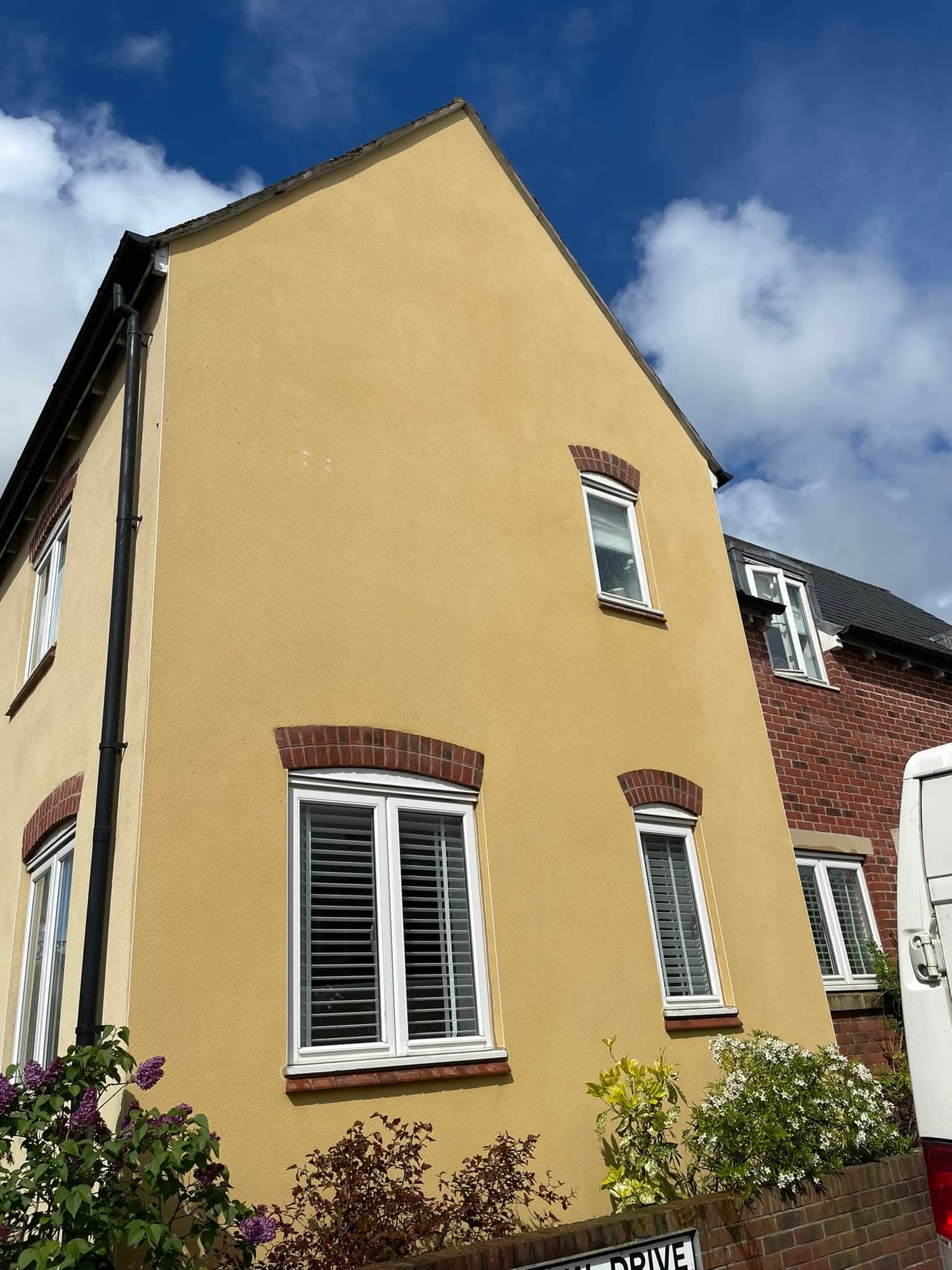

There are specific questions worth asking about K Rend before booking anybody, because the material is less forgiving than most. Does the contractor know it is through-coloured, and can they say what that means for the method? The answer should be that there is no sacrificial film, so nothing can abrade the surface and the treatment is entirely chemical. Will they use pressure at any stage? On silicone render the answer must be no, including the rinse. Do they know whether the system sits on masonry or on insulation, and will they check? On an insulated system the outer skin is the whole defence and rinsing near edges and joints needs more caution. What dilution will be used, and is it decided against the colour as well as the growth? Pale finishes are less tolerant of concentration and dark ones less tolerant of residue. Will the detailing be treated individually? Reveals, heads, cill bands, beading, the top course and the base course all need addressing rather than sweeping past. How long will the result last, and does the answer vary by elevation? And will they say what will not respond, since iron bleed, efflorescence and previous damage will remain? Any contractor who answers all of that comfortably is worth considering. It is also worth asking what will happen if the result falls short, and expecting a written guarantee with a stated period rather than a verbal assurance. On a through-coloured render there is no way to make good afterwards, so the commitment matters. K Rend cleaning at properties around Easterton is quoted with each of those addressed in writing as a matter of course.
Before booking work on monocouche there are questions worth asking that are specific to a cement-based through-coloured render. Does the contractor know the colour is integral, and can they explain what that means? The answer should include that partial treatment leaves a visible boundary, that abrasion is permanent, and that whole elevations must be worked as a unit with a maintained wet edge. How will they prevent banding? The answer should involve working top down in overlapping bands, keeping the leading edge wet, rinsing in the same sequence and calculating solution volumes in advance so nobody mixes a fresh batch mid-wall. Will they check for hollow areas before starting, and what will they do if they find them? How will they treat the base course, which on monocouche is usually the heaviest work on any elevation? What dwell will be used, and does it vary with the growth and the temperature? Cement render absorbs solution and needs longer than a water-repellent system. Will a second application be used on lichen and moss rather than a stronger mix? And what will not respond, since efflorescence in particular is common on cement-based render and will not clear with a biocide. Any contractor who answers those readily understands the material. It is also worth asking how they will treat the detailing, since reveals, heads, cill bands, beading, the top course and the base course account for a large share of the work and are the areas most often swept past on a scraped finish. Monocouche render cleaning at properties around Easterton is quoted with each of them addressed in the written specification.
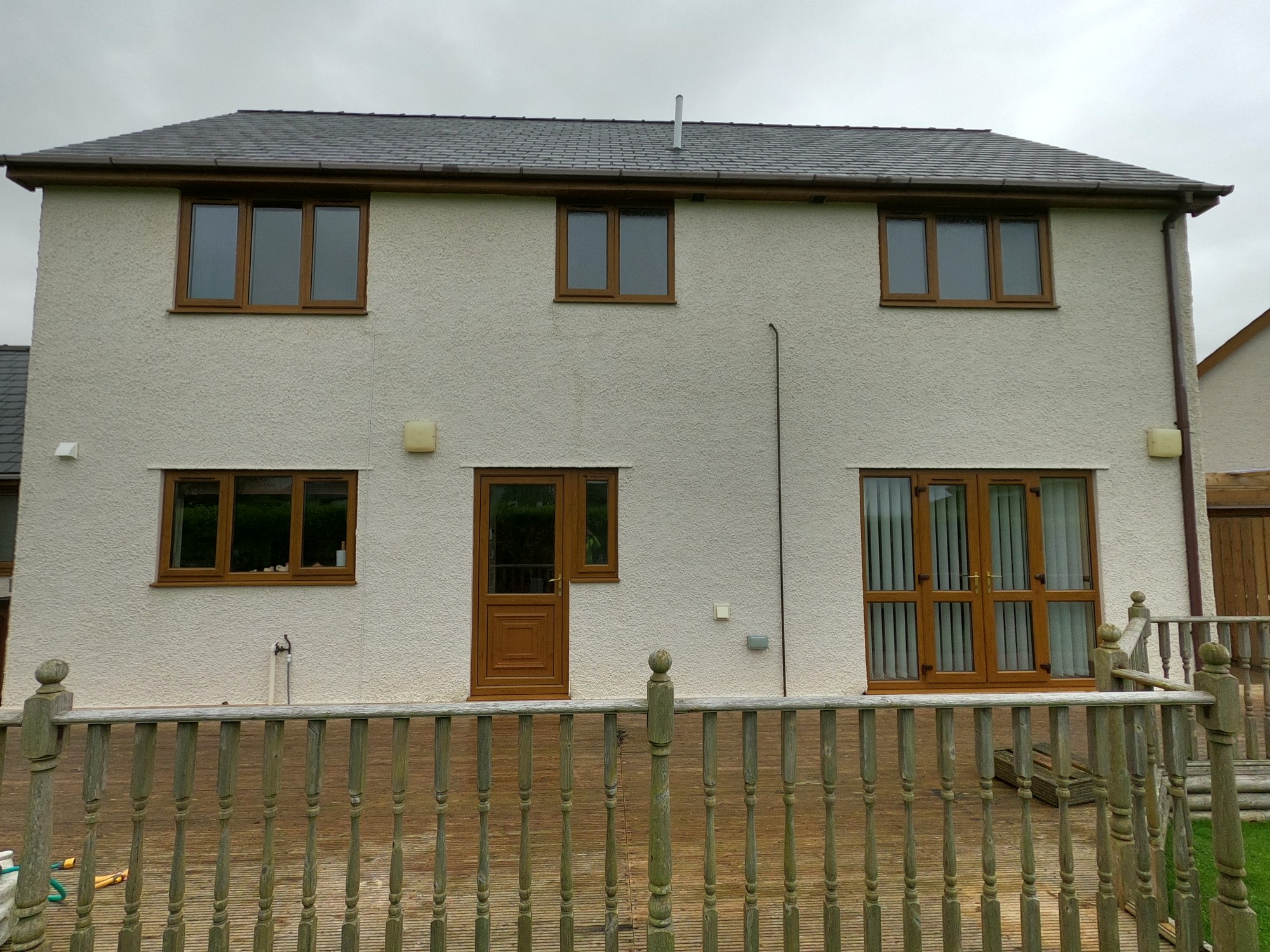
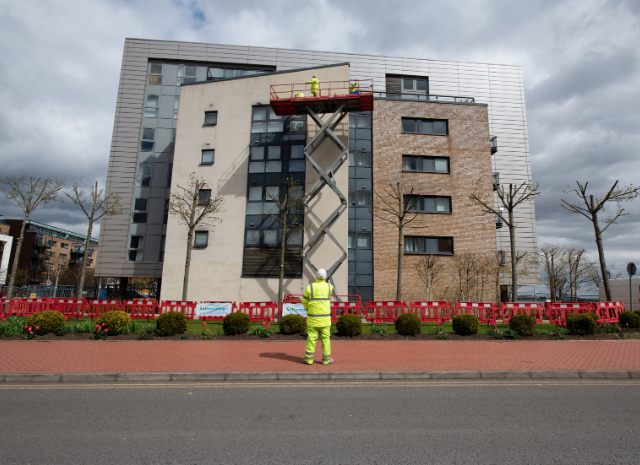

Commercial clients appointing a contractor for render cleaning should ask for a short list of confirmations in writing, and it is worth setting out what that list should contain. The method and pressure at every stage including the rinse, which on render should be low throughout. The product, with a data sheet, and confirmation that it has a residual effect. The dwell approach, and whether it varies with growth and conditions. The number of applications per elevation, priced from the outset. The scope elevation by elevation with the extent stated, including gables, reveals, heads, cill bands, beading, movement joints, the top course and the base course. The access equipment for each elevation, since differing assumptions make tenders incomparable. The expected programme, with contingency where a date is fixed. The exclusions, named individually. The guarantee, with a period and a definition. Insurance at a level appropriate to working at height, competence evidence, risk assessments, method statements and COSHH documentation. Whether the people quoting are the people carrying out the work. And whether the contractor will decline where a wall should not be cleaned. A contractor able to supply all of that is worth considering. One reluctant about several is telling you something useful. We would also encourage clients to ask for the specification in a form that can be compared line by line against other submissions, since differing assumptions rather than differing prices are the usual reason tenders cannot be assessed against each other. Commercial clients around Easterton receive all of it as standard, and we would encourage the same list to be put to everybody being asked to quote.
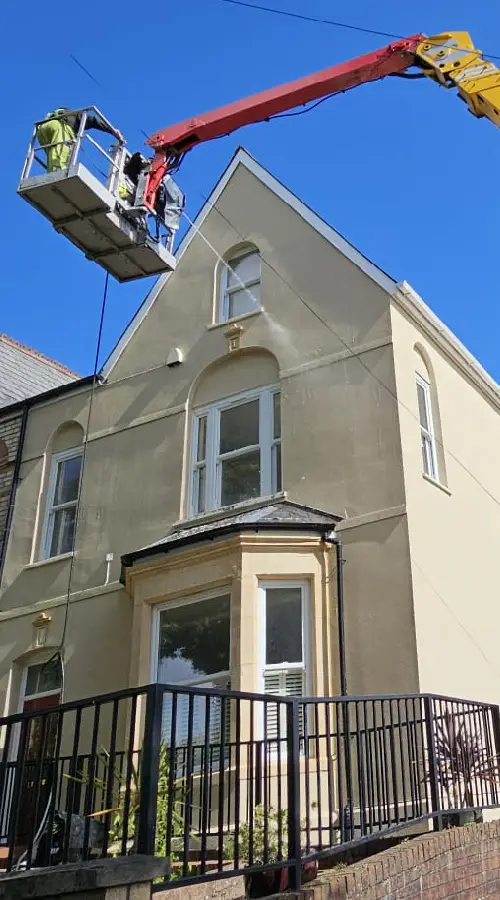
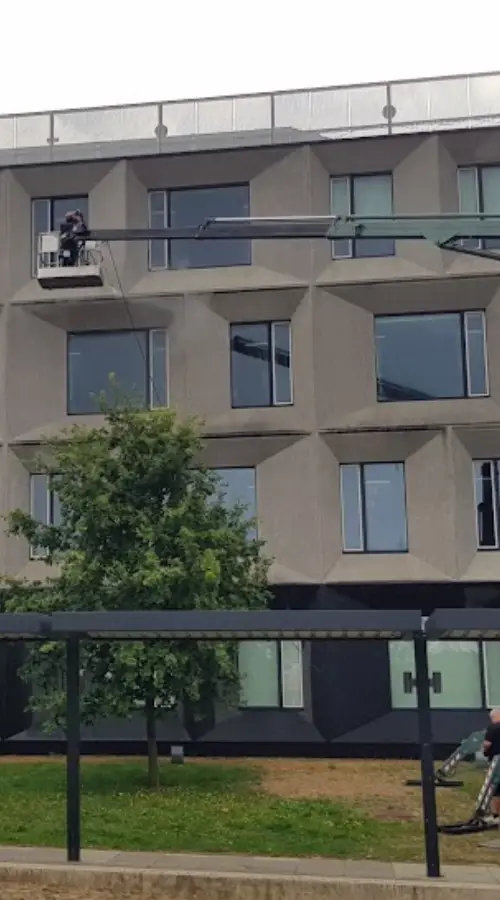
If we were commissioning this work ourselves, the checks we would make are worth setting out, since they are the same ones we invite customers to apply to us. Pressure at every stage, which should be low throughout on render. The product, with a data sheet, and confirmation that it has a residual effect. The dwell, and whether it varies with the growth and the conditions rather than being fixed. The number of applications per elevation, priced from the outset rather than added later. The scope, elevation by elevation with the extent stated, including whether gables run to the apex and whether reveals, heads, cill bands, beading, the top course and the base course are included. The access equipment for each wall, since that is the largest cost variable and differing assumptions make comparison impossible. The expected duration, which is the clearest indicator of whether dwell has been allowed for. The exclusions, named individually rather than as a general disclaimer. The guarantee, with a period and a definition of what it covers. Whether the price is fixed and whether the property was seen in person. Whether the people quoting are the people doing the work, and whether they are insured for working at height. And whether the contractor will tell you when a wall should not be cleaned at all. None of those questions is difficult to answer for anybody doing this work properly, and none of them requires technical knowledge to ask. The answers are more informative than any amount of marketing material. Softwashing UK answer all of it in writing without being asked, and owners around Easterton are welcome to put the same list to anybody else quoting.
Easterton is covered in full for domestic and commercial render cleaning, and this section sets out what our quotation contains, so it can be compared against anybody else’s. It names the coating identified on each elevation and, where established, what it is applied over. It records condition: hollow areas found by tapping, cracking with shrinkage crazing distinguished from directional cracks, surface erosion, previous mechanical damage and any paint or sealer over the render. It records the growth on each aspect separately, identifying algae, lichen, moss and airborne mould rather than describing a wall as dirty. It lists the elevations and structures included with the extent of each: gables to the apex, both returns of every reveal and the head above each opening, the band beneath each cill, beading and movement joints, verge junctions, the top course beneath any overhang, rendered soffits and the base course down to the bell-cast. It states the method and pressure, the product and dilution, the number of applications per elevation, the access equipment for each wall, and the expected duration. It lists the exclusions individually with locations noted. It records the defects contributing to staining and their effect on how long the result will last. And it states the fixed price, the guarantee period and an interval per elevation. Rendered garages, outbuildings, porches and boundary walls are assessed at the same visit and priced separately, so the choice of including them stays with you once you can see what each contributes to the total. Surveys are free, take around twenty minutes and carry no obligation. Call whenever you would like one arranged.
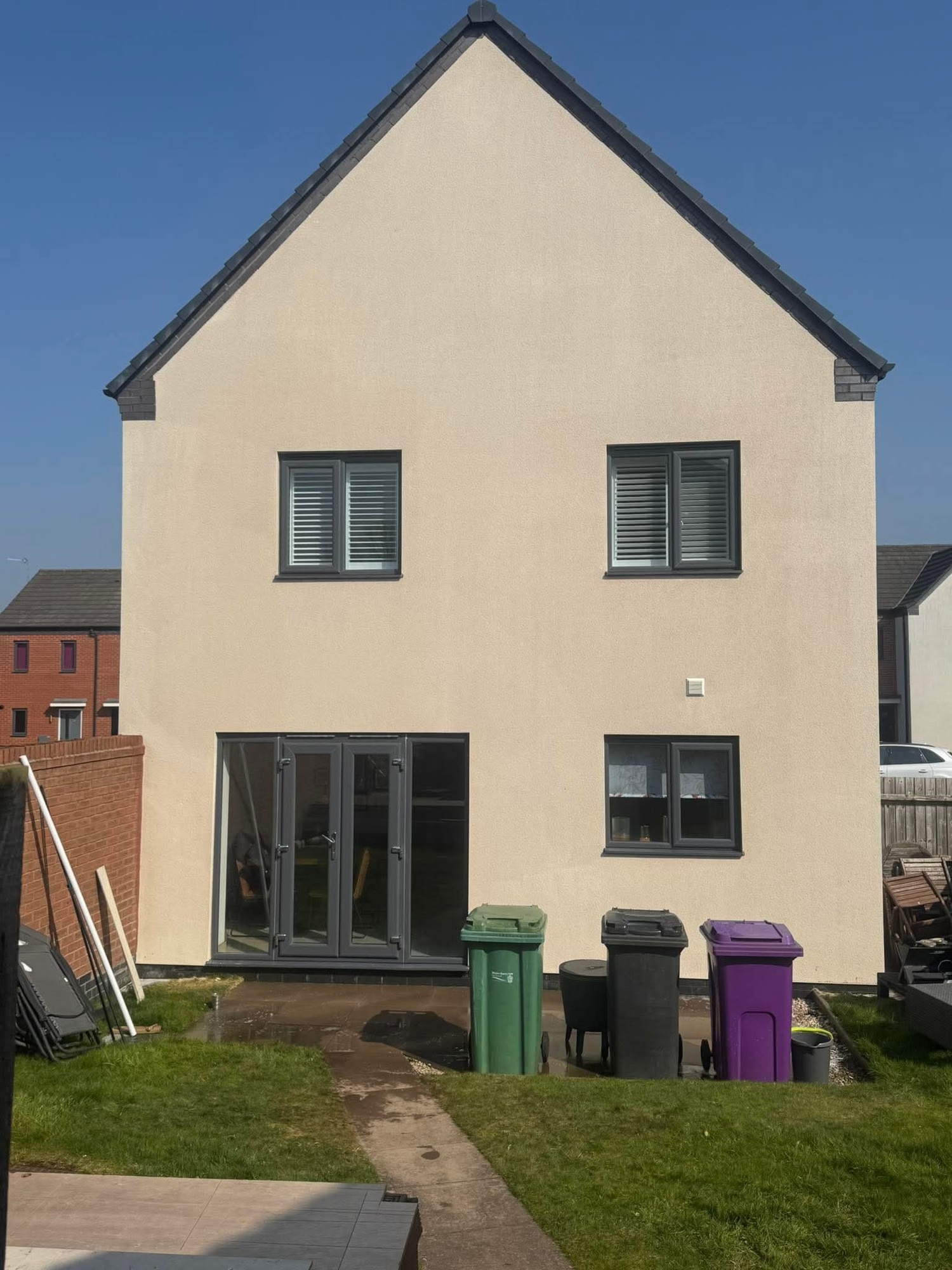
Most properties in Easterton benefit from professional render cleaning every 3 to 5 years, although this depends on the surrounding environment. Properties near trees, woodland, busy roads or coastal areas may require more frequent cleaning due to algae, mould and airborne contaminants. Our soft washing process removes existing growth and helps keep your render cleaner for longer.
Yes. Soft washing is specifically designed for delicate surfaces such as K-Rend, silicone render, monocouche render and painted render. Unlike high-pressure washing, it cleans at low pressure while treating biological growth at its source, reducing the risk of damage to the render finish.
We clean virtually all external render finishes, including K-Rend, Monocouche, Weber, Sto, silicone render, acrylic render, painted render, roughcast and pebble dash. Every cleaning method is tailored to the specific render type to achieve the best possible results.
Yes. Our specialist soft washing treatments are highly effective at removing green algae, red algae, black mould, mildew, lichen and other organic staining. We also apply professional biocide treatments to kill spores and slow down regrowth.
Because our process targets the biological growth rather than simply washing the surface, results typically last much longer than pressure washing alone. The exact lifespan depends on weather conditions, surrounding vegetation and the property’s location.
No. Our soft washing process is specifically designed to clean render safely. We use low-pressure application methods and specialist cleaning solutions that remove contamination without damaging the render surface when carried out by trained professionals.
The UK’s damp climate provides ideal conditions for algae, mould and other biological growth to develop on rendered surfaces. Areas with limited sunlight, nearby trees or persistent moisture are especially susceptible. Professional soft washing safely removes these contaminants and restores your property’s appearance.











































If your property’s exterior is looking tired, stained or weathered, professional render cleaning Easterton can completely transform its appearance without the expense of repainting or replacing the render. Over time, rendered walls naturally collect algae, moss, mould, pollution, dirt and other organic growth, leaving homes and commercial buildings looking older than they really are. Fortunately, modern cleaning techniques can safely restore almost every type of render while protecting the surface from unnecessary damage.
Whether you own a modern new-build with silicone render, a home finished with K Rend or monocouche render, or an older property with traditional cement render, investing in professional cleaning is one of the simplest ways to improve kerb appeal and extend the life of your exterior walls. This guide explains everything you need to know about render cleaning, including the best cleaning methods, common causes of staining, maintenance tips and how to choose the right contractor.
Render cleaning is the process of removing dirt, algae, moss, mould, pollution and other contaminants from rendered walls using specialist cleaning methods. Unlike general exterior cleaning, professional render cleaning services are designed specifically for delicate render finishes that require a more controlled approach than brick or concrete.
Many homeowners don’t realise that render is naturally porous. While it provides excellent protection against the weather, it also creates tiny surface textures where moisture and airborne contaminants can settle. Over time, these conditions encourage algae, mould and lichen to grow across the walls, causing green, black or red staining that gradually spreads if left untreated.
Professional house render cleaning removes these contaminants safely while restoring the original appearance of the property. Rather than simply washing away surface dirt, specialist treatments eliminate biological growth at its source, helping walls stay cleaner for longer.
The British climate provides ideal conditions for algae, moss and mould to thrive. Frequent rainfall, damp winters and shaded areas all contribute to biological growth on rendered surfaces.
Properties surrounded by trees often remain damp throughout the day, while north-facing walls receive very little direct sunlight. This combination of shade and moisture allows green algae to develop quickly. In urban areas, pollution from traffic gradually builds up across rendered walls, creating dark streaks and dull grey staining that cannot be removed with ordinary household cleaning products.
Red algae has become increasingly common on modern coloured render systems. Although it begins as small pink or orange spots, it can eventually spread across entire elevations if not professionally treated. Moss and lichen also develop on rendered walls, trapping additional moisture against the surface and making the property appear neglected.
Professional exterior render cleaning tackles these issues before they become permanent, helping preserve both the appearance and condition of the render.
Every render system has its own characteristics, which is why cleaning should always be tailored to the material rather than using the same method for every property.
Many newer homes benefit from silicone render cleaning, as silicone render has excellent water-repellent properties but can still become stained by algae and pollution. K Rend cleaning is another common service, restoring the appearance of this popular coloured render system without damaging its finish. Likewise, Monocouche render cleaning requires specialist knowledge to safely remove biological growth while protecting the decorative surface.
Many homeowners also request coloured render cleaning because they assume fading walls need repainting. In reality, years of dirt and algae often hide the original finish, and professional cleaning can dramatically improve the appearance without the need for costly decorating work.
Regardless of the render system installed, experienced render cleaning specialists will inspect the surface before selecting the most suitable cleaning process.
Attempting DIY cleaning often causes more harm than good. Many homeowners hire pressure washers believing that higher pressure delivers better results. Unfortunately, this can damage the render by removing protective coatings, opening small cracks or forcing water behind the surface.
Professional professional render cleaning uses methods designed specifically for rendered walls. Every property is carefully assessed before treatment begins, ensuring the safest approach is used for the particular render system.
Specialist cleaning also reaches deep into the microscopic pores where algae spores develop. This means the treatment continues working after the walls have been cleaned, slowing down future regrowth and providing much longer-lasting results.
One of the biggest misconceptions surrounding exterior cleaning is that pressure washing is suitable for every surface. While render pressure washing may remove visible dirt quickly, it is generally not recommended for delicate render because excessive pressure can permanently damage the finish.
Instead, most experienced contractors recommend render soft washing. Also known as soft wash render cleaning, this method combines low-pressure water application with specialist biodegradable cleaning solutions that remove algae, mould, moss and lichen safely.
Unlike pressure washing, soft washing doesn’t simply blast contaminants away. It kills the spores responsible for biological growth before gently rinsing the surface clean. This makes soft wash render cleaning one of the safest and most effective methods available for modern render systems.
Professional cleaning addresses far more than surface dirt. A comprehensive treatment includes render algae removal, eliminating the green staining commonly seen on shaded walls. It also provides effective render moss removal, preventing moss from retaining moisture against the building.
Many properties also require render mould removal, particularly in damp locations where mould develops around windows, beneath rooflines or on north-facing elevations. Black streaks caused by pollution and atmospheric contamination can often be eliminated through specialist render stain removal, restoring the render’s original appearance without harsh cleaning methods.
These treatments work together to improve both the appearance and long-term condition of rendered walls.
Professional residential render cleaning is suitable for detached houses, semi-detached homes, terraced properties, bungalows, apartment buildings and new-build developments. Whether the render has become lightly stained or heavily covered in algae, specialist cleaning can dramatically improve kerb appeal.
Businesses also benefit from commercial render cleaning, helping offices, hotels, schools, apartment blocks, retail premises and industrial buildings maintain a clean, professional appearance. Customers often form opinions before entering a building, making clean exterior walls an important part of presenting a positive image.
Larger commercial properties frequently require render facade cleaning to restore the appearance of external elevations exposed to weather and pollution throughout the year.
Many homeowners believe stained render needs repainting or replacing. In reality, professional render restoration often removes years of biological growth, pollution and environmental staining, revealing the original finish underneath.
Cleaning is considerably more affordable than replacing rendered walls and can often delay expensive renovation work for many years. By investing in routine render maintenance, homeowners protect their property’s appearance while reducing the likelihood of long-term deterioration.
Regular inspections also allow early signs of algae or mould to be treated before they spread across the entire property.
There is no universal schedule because every property experiences different environmental conditions. Homes surrounded by trees or located near woodland generally require more frequent attention than properties exposed to direct sunlight. Likewise, buildings close to busy roads accumulate pollution faster than those in quieter residential areas.
For most homes and commercial buildings, arranging professional render cleaning services every three to five years provides an excellent balance between appearance and preventative maintenance. Properties in particularly damp environments may benefit from more regular cleaning to prevent algae becoming firmly established.
If you’re searching online for render cleaning near me, it’s important to choose an experienced contractor rather than simply accepting the cheapest quotation.
A reputable local render cleaning company will inspect your property before recommending the most appropriate cleaning process. Rather than relying solely on pressure washing, experienced contractors understand the differences between silicone render, K Rend, monocouche render and painted render, ensuring every surface receives the correct treatment.
The best render cleaning service will also use specialist equipment, professional-grade cleaning solutions and proven soft washing techniques that deliver longer-lasting results.
Many homeowners are surprised to discover that affordable render cleaning is often far less expensive than repainting rendered walls. The overall render cleaning cost depends on factors including property size, accessibility, the severity of staining and the type of render installed. Most companies provide free surveys and quotations, allowing customers to compare render cleaning prices before making a decision.
Environmental responsibility is another important consideration. Many leading contractors now use eco friendly render cleaning products that effectively remove algae, mould and dirt while minimising the impact on surrounding plants, lawns and wildlife.
Keeping render clean isn’t just about appearance. Dirt, algae and moss trap moisture against the surface, increasing the likelihood of staining and reducing the lifespan of the render over time. Regular cleaning prevents organic growth from becoming deeply embedded, making future maintenance much easier and more affordable.
Professional cleaning also protects your investment by maintaining kerb appeal, reducing long-term repair costs and ensuring your property always looks its best. Whether you own a family home, rental property or commercial premises, regular render maintenance is one of the most cost-effective ways to preserve the exterior.
If your property has become stained by algae, moss, mould, pollution or years of accumulated dirt, professional render cleaning Easterton can restore its appearance quickly, safely and effectively. From house render cleaning and commercial render cleaning to silicone render cleaning, K Rend cleaning, Monocouche render cleaning, render wall cleaning, render facade cleaning, render restoration and complete render maintenance, experienced specialists use safe soft washing techniques to deliver exceptional results.
Whether you’re searching for render cleaning near me, comparing render cleaning prices, looking for an affordable render cleaning solution or simply want advice from trusted render cleaning specialists, investing in professional cleaning will help protect your property, improve kerb appeal and keep your rendered walls looking their best for years to come.
WhatsApp us