Colour is the first thing lost when a rendered wall starts to soil, and it goes long before anyone notices anything is wrong. A light algal film does not read as green at low density. It reads as the whole elevation looking slightly flat, slightly grey, slightly less crisp than it did. Because the change is uniform and gradual, there is nothing to compare against, and most owners simply adjust their expectation of what the house looks like. The moment of realisation usually comes from a photograph taken a few years earlier, or from seeing a property along the same road freshly treated. The difference is then obvious and often surprising. What is actually happening is straightforward. Organic growth and airborne deposit form a thin layer across the face of the render, scattering light differently from the surface beneath and dulling whatever colour was there. On through-coloured finishes the pigment itself is unchanged, which is why cleaning restores rather than approximates the original appearance. Our render cleaning services remove that layer at source. Biocidal treatment applied at low pressure, given proper dwell so it destroys growth at root level, then rinsed gently. Render algae removal is the main part of this on lightly soiled walls, though most elevations carry some black spotting as well. The result is not a whitened or bleached wall, which is what pressure washing tends to produce in patches. It is the original tone returning evenly across the whole elevation. Exterior render cleaning on a property in Callow Hill that has not been treated for several years typically recovers more colour than the owner expected was still there.
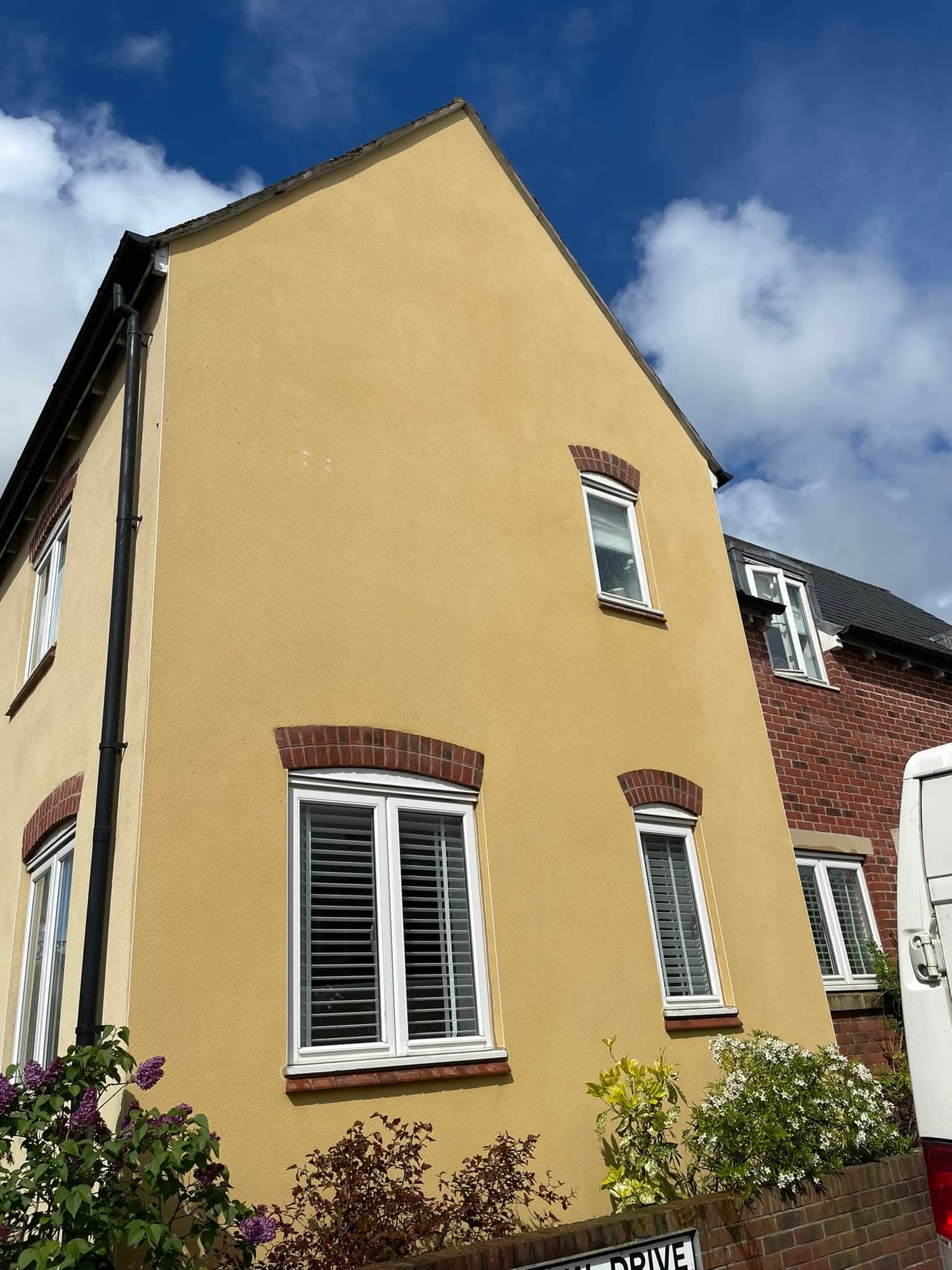
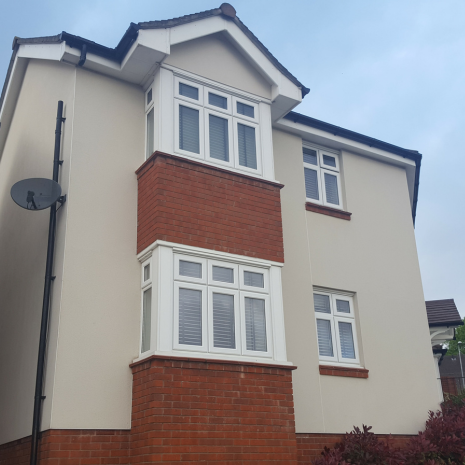

North and east facing elevations on silicone-rendered properties are where almost all the work is, and the reason is drying time rather than anything to do with the render itself. A wall receiving several hours of direct sun dries quickly after rain and offers spores a narrow window to establish. A wall that sees little or none stays damp for far longer, and through winter it may not dry properly for weeks at a time. The outcome is entirely predictable. Green algal filming establishes first, black fungal spotting follows, and on the dampest walls lichen appears in raised patches. The front elevation of the same house may need almost nothing while a single gable carries heavy colonisation. K Rend cleaning specified sensibly reflects that. We survey each elevation separately and set dilution and dwell time against what is actually present on that wall, rather than treating a whole property at one strength. It usually means the shaded elevation receives a stronger specification and a longer dwell, and the sunnier walls receive a lighter treatment or occasionally none at all. Silicone render cleaning remains entirely chemical throughout. Pressure stays very low, nothing is brushed or agitated, and coverage is even across each complete elevation. The colour is integral to the render and abrasion cannot be corrected. Render mould removal on a persistently damp wall may need a longer dwell or a second application, and where we expect that it is quoted for at the outset rather than raised afterwards. House render cleaning on a property with one problem elevation is often cheaper than owners assume, because pricing per wall reflects what each one genuinely requires.
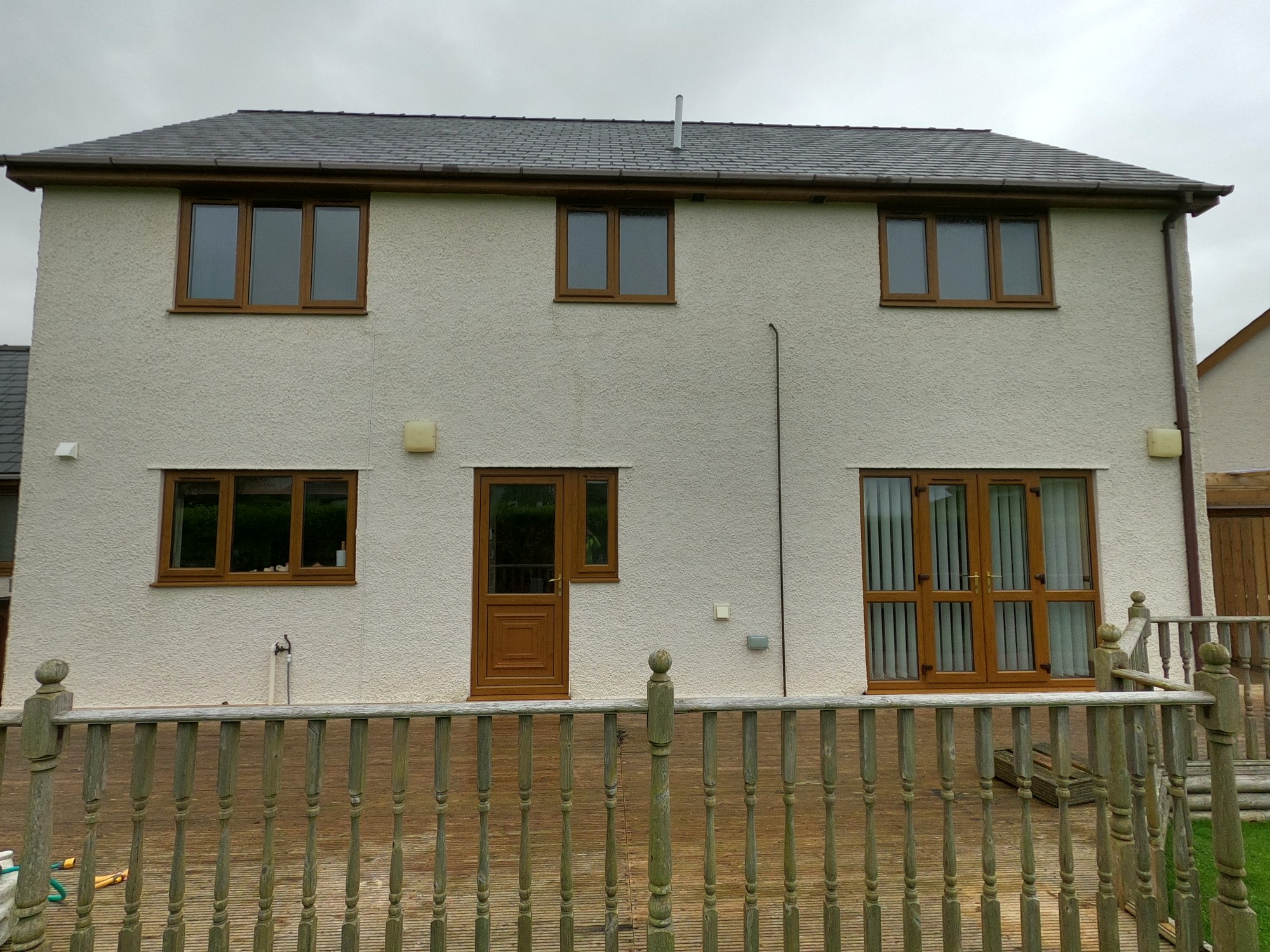
Breathability is one of the reasons monocouche is specified, and it is also a reason to be careful about how it is cleaned. The render is designed to let moisture move through the wall rather than trapping it, which suits both modern construction and older solid walls where a non-breathable coating would cause problems. High pressure works directly against that. Driving water into the coating saturates it far beyond what rain would achieve, forces moisture towards the substrate, and on a wall with any existing hairline cracking provides a direct route in. The coating then takes considerably longer to dry than it was designed to, which is precisely the condition that encourages the growth being removed. Monocouche render cleaning by soft washing avoids the problem entirely. The volume of water involved is modest, pressures stay very low, and the treatment works chemically rather than by saturation. The wall is wetted no more than a shower would wet it. The texture argument runs alongside. Monocouche is scraped to expose fine aggregate that sits loosely at the face, and any abrasion detaches it permanently, leaving smoothed areas that reflect light differently for the life of the coating. So the method is fixed by the material: low pressure, generous application so treatment reaches the base of the texture, full dwell time to destroy growth at root level, gentle rinse, nothing brushed. Render restoration on this finish works well precisely because nothing is being taken off the wall. Residential render cleaning can be repeated across the life of the render, and render maintenance intervals stay long once colonisation has been cleared properly at source.
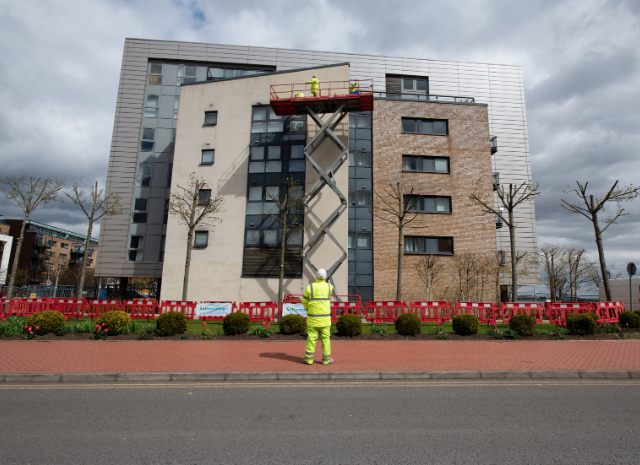

Holiday lets and managed short-stay properties are judged almost entirely on photographs, and a rendered elevation carrying green filming or streaking undermines a listing more effectively than most owners realise. Guests compare properties visually before reading a word of description, and exterior images do the work. Commercial render cleaning on this type of property has an unusual constraint: the building is rarely empty for long, and changeover days are fixed. We plan around the booking calendar, working between guests where possible or on the quieter part of a shoulder season, and we complete each property in a single visit rather than spreading work across days. Access is usually straightforward on individual let properties, with the majority of elevations treatable safely from ground level using telescopic delivery equipment rather than platforms or scaffold. That keeps the figure proportionate and the visit short. Where several managed properties are held by the same owner, we programme them together, which reduces mobilisation cost across the portfolio. Insurance, method statements and risk assessments are provided ahead of attendance, and operatives hold current working at height certification. Timing is worth planning. A soft washed wall continues improving for two to four weeks as dead growth weathers off, so booking ahead of a photography session or the start of a busy period gives the elevation time to reach its best rather than being photographed mid-process. For owners of let property around Callow Hill, keeping rendered elevations clean is a small recurring cost against a direct effect on how the property presents, and a coating kept dry avoids the far larger expense of recoating.
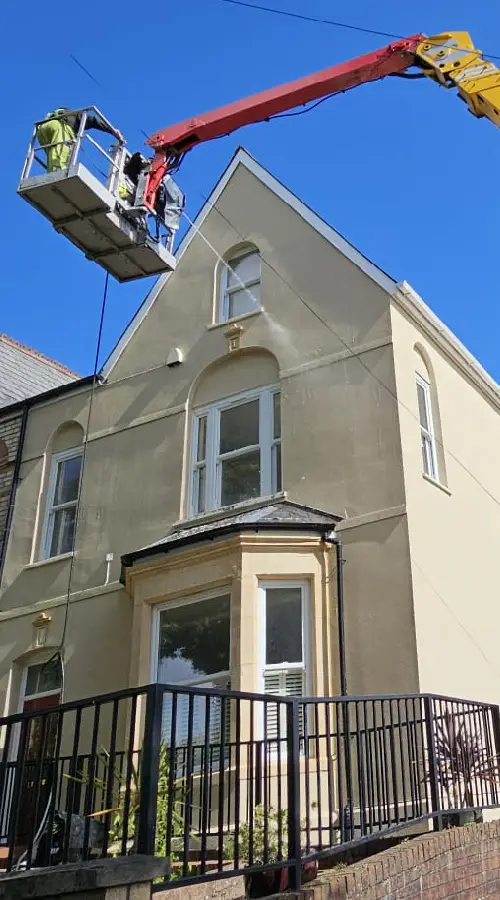
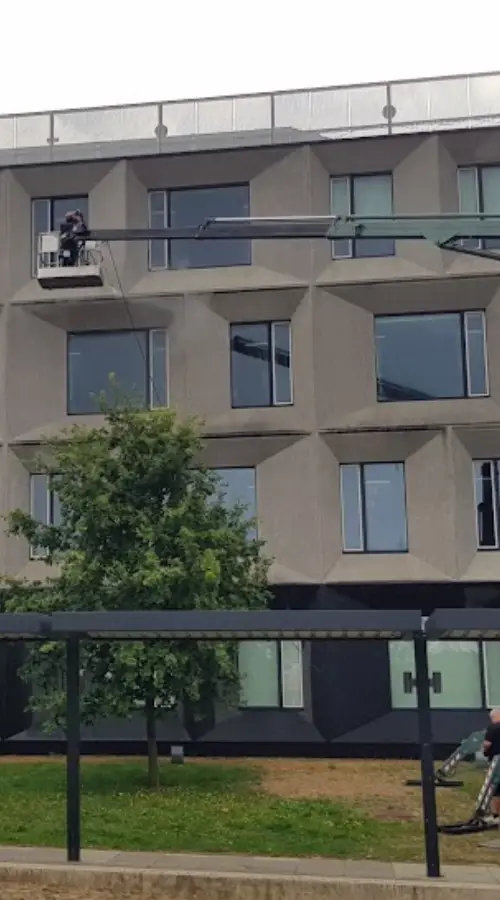
Getting hold of a contractor, getting a date and getting told when something changes are the parts of this trade people complain about most, and none of them are difficult to do properly. Enquiries are answered rather than left. Surveys are usually available within the same week, take around twenty minutes, and do not require anyone to be at home provided every elevation can be reached. The written quotation follows by email, itemised so the basis of the figure is visible. Once booked, you get a confirmed date and an arrival window rather than a vague morning or afternoon. If weather forces a change, you hear from us in advance rather than wondering. Render cleaning is genuinely weather dependent, and applying treatment into driving rain dilutes it before it can work, so occasionally a date has to move. Being told is the least that should happen. On the day, the work is explained before it begins and the expected appearance afterwards is described honestly, including the fact that heavier colonisation continues weathering off for a few weeks rather than clearing entirely on the afternoon. Render cleaning prices are fixed at survey and do not change, and the written quotation states plainly what is included so there is nothing left to interpret afterwards. Full public liability cover and current working at height certification are in place and available on request. Anyone searching for render cleaning near me is generally looking for competence and communication in roughly equal measure. As a local render cleaning company we are reachable afterwards as well as before, and if something needs revisiting, coming back is straightforward rather than an imposition.
Callow Hill is covered in full, with no travel loading, no minimum job value and the same survey and pricing process applied to every property regardless of where it sits. The most useful thing to explain about how we quote here is that we price per elevation rather than per property, and it usually works in the owner’s favour. Buildings rarely soil evenly. One wall may carry heavy colonisation while the others need comparatively little, and a single rate applied across the whole building either overcharges for the clean walls or underspecifies for the dirty one. Surveying each elevation separately establishes what is genuinely present on each: which organisms, at what density, on what coating, at what height and with what access. The specification and the figure follow from that, and the itemised quotation shows the breakdown so the reasoning is visible rather than assumed. In practice this means many properties end up with a full specification on one or two walls and a lighter treatment elsewhere, which is both cheaper and more sensible than treating everything at maximum strength. It also means we can be honest where a particular elevation genuinely does not need doing yet. Softwashing UK apply the same approach at every property on our books, and it is the reason two similar-looking houses can carry quite different figures. Access is rarely a constraint. Hose runs allow the vehicle to stay clear of the property while treatment reaches every wall, and telescopic delivery covers most domestic elevations from ground level. Surveys take around twenty minutes and can be arranged within the week.
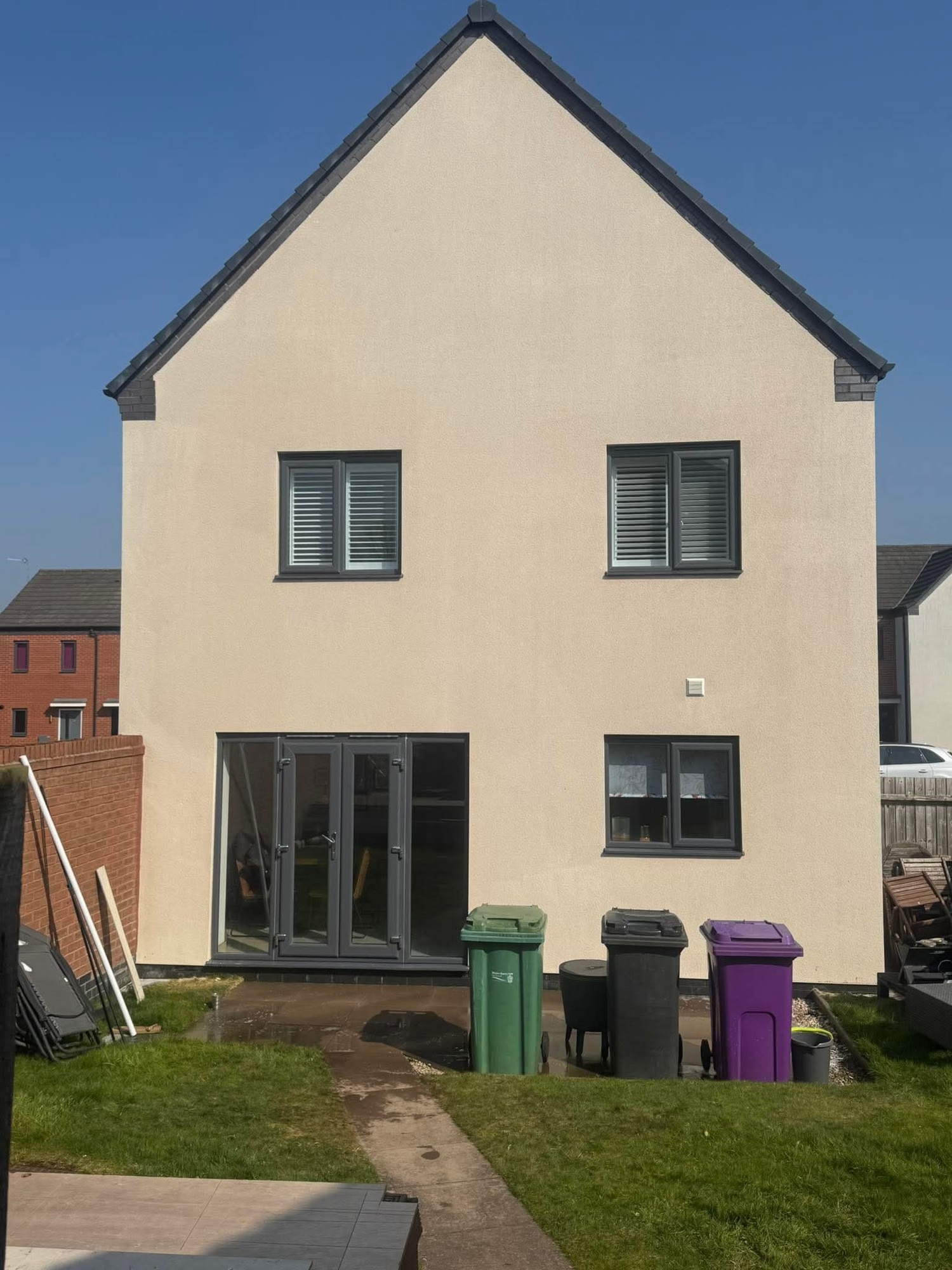
Most properties in Callow Hill benefit from professional render cleaning every 3 to 5 years, although this depends on the surrounding environment. Properties near trees, woodland, busy roads or coastal areas may require more frequent cleaning due to algae, mould and airborne contaminants. Our soft washing process removes existing growth and helps keep your render cleaner for longer.
Yes. Soft washing is specifically designed for delicate surfaces such as K-Rend, silicone render, monocouche render and painted render. Unlike high-pressure washing, it cleans at low pressure while treating biological growth at its source, reducing the risk of damage to the render finish.
We clean virtually all external render finishes, including K-Rend, Monocouche, Weber, Sto, silicone render, acrylic render, painted render, roughcast and pebble dash. Every cleaning method is tailored to the specific render type to achieve the best possible results.
Yes. Our specialist soft washing treatments are highly effective at removing green algae, red algae, black mould, mildew, lichen and other organic staining. We also apply professional biocide treatments to kill spores and slow down regrowth.
Because our process targets the biological growth rather than simply washing the surface, results typically last much longer than pressure washing alone. The exact lifespan depends on weather conditions, surrounding vegetation and the property’s location.
No. Our soft washing process is specifically designed to clean render safely. We use low-pressure application methods and specialist cleaning solutions that remove contamination without damaging the render surface when carried out by trained professionals.
The UK’s damp climate provides ideal conditions for algae, mould and other biological growth to develop on rendered surfaces. Areas with limited sunlight, nearby trees or persistent moisture are especially susceptible. Professional soft washing safely removes these contaminants and restores your property’s appearance.







































WhatsApp us