Soft washing is often described simply as low-pressure cleaning, which undersells what is actually happening. The method is a sequence, and each stage does a specific job. It begins with protection: planting is soaked with clean water so it cannot absorb any solution, sheeting is laid over beds, paths and adjacent surfaces, and windows, vents and any sensitive finishes are covered. Next comes pre-wetting of the wall itself, which sounds counterintuitive but matters, as a dry porous surface will drink the treatment straight into the coat instead of holding it where the growth is. Application follows, at pressures comparable to a garden sprayer, working bottom to top so that run-off never streaks a dry surface below. Dwell time is the stage that does the actual work. The biocide needs uninterrupted contact to break down cell structures, and rushing it is the commonest reason a wall greens over again within months. Dwell is judged by temperature, the type of growth and how heavily it has established, not by the clock alone. Only then does rinsing take place, at a pressure that removes dead material without disturbing the finish. Compare that with render pressure washing, which reverses the logic entirely: it uses mechanical force to remove what is visible, leaves the roots in place, and erodes the surface in the process. Walls treated that way look impressive for a fortnight and return worse than before, because a roughened surface holds more moisture and more spores. Render soft washing takes longer on the day and costs the same or less over a decade. It is the method we use on every rendered elevation in Longlevens, regardless of how heavily soiled the wall is when we arrive.
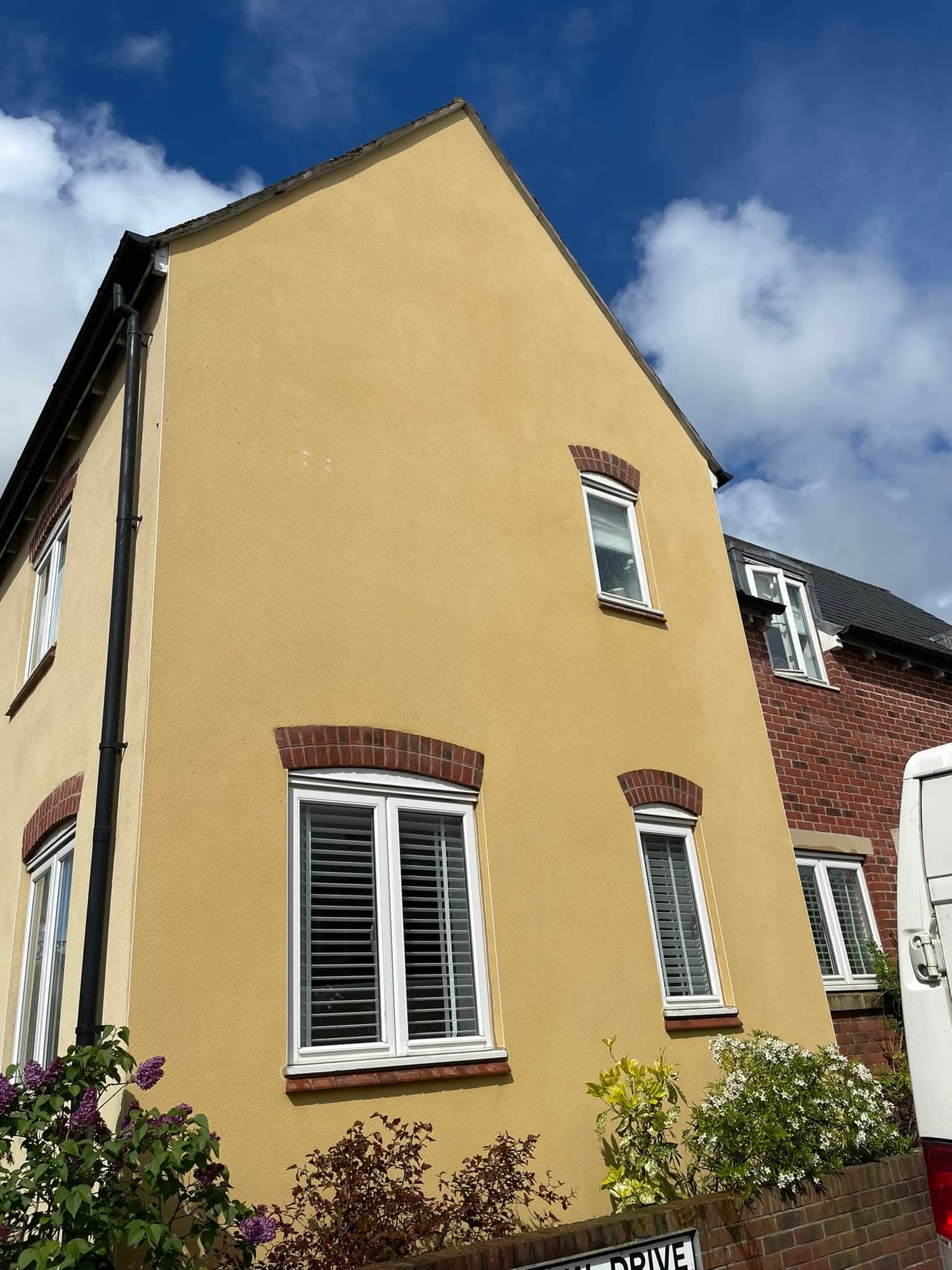
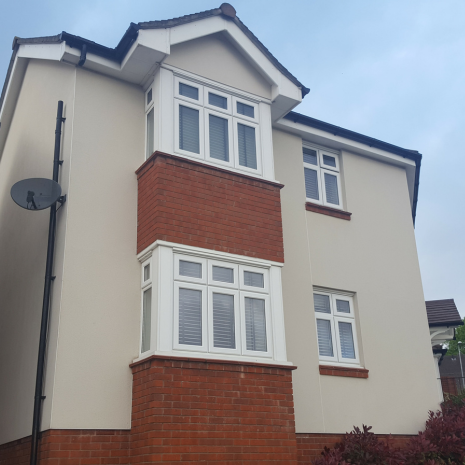

Silicone thin-coat systems are frequently sold as self-cleaning, and the truth behind that claim is worth understanding before deciding what a wall actually needs. The silicone content makes the surface hydrophobic, so rain beads and runs off rather than soaking in, carrying loose surface dust with it. On sunlit, exposed elevations that effect is real and those walls do stay noticeably cleaner for longer. What the property is fitted with, though, is a water-repellent surface, not a biocidal one. Nothing about the chemistry prevents spores landing in the texture, and on any elevation that stays damp — north-facing, shaded by planting, sheltered under a deep verge — growth establishes exactly as it would on any other finish. Owners are often surprised, having been told the wall would look after itself, and the surprise usually arrives around year five. K Rend cleaning at that point is straightforward provided the water-repellent surface is preserved. Abrading it with high pressure destroys the very property that keeps the wall performing, so the surface loses its ability to shed water, holds moisture in the texture and soils faster every year afterwards. Our silicone render cleaning method leaves the binder untouched: low-pressure application, full dwell, gentle rinse, and a second treatment where lichen has established rather than any attempt to remove it mechanically. Done that way the finish comes back to its original colour and continues to behave as specified. Properties in Longlevens with thin-coat elevations are typically newer construction where the render itself is in excellent order, so the work is genuinely cleaning rather than repair, and the interval before the next visit is usually a good deal longer than owners expect.
Cracking in a monocouche wall is a topic worth being straightforward about, because cleaning frequently brings it to light. The finish is applied thick, in a single pass, and it shrinks as it cures. Manufacturers address that with reinforcing mesh at stress points, bead details at openings and specified movement joints. Where those details were installed correctly, hairline crazing is cosmetic. Where they were skimped, cracking runs from the corners of windows and doors, follows the line of a lintel or opens along an unmarked joint, and that variety lets water into the coat. Heavy biological growth conceals all of it. A dark, uniformly colonised wall hides a hairline crack completely, and it is only once the growth has been treated and the elevation has returned to a consistent colour that the true condition of the render becomes visible. That is not a consequence of Monocouche render cleaning, it is a benefit, though it needs explaining beforehand so nobody assumes the clean caused it. We photograph and report anything found, distinguishing between crazing that requires nothing, cracking that would benefit from a breathable repair, and defects serious enough to warrant a specialist inspection. Timing matters, because water entering a crack and freezing is what turns a hairline into a spall. The cleaning method itself is chosen not to make matters worse: no high pressure directed at any opening, no flooding of the coat, a pH-compatible product and a controlled even rinse. Render restoration on a sound wall then simply returns the original colour and texture. Homes in Longlevens finished in monocouche generally clean up extremely well, and a periodic clean doubles as the only regular external inspection most walls ever receive.
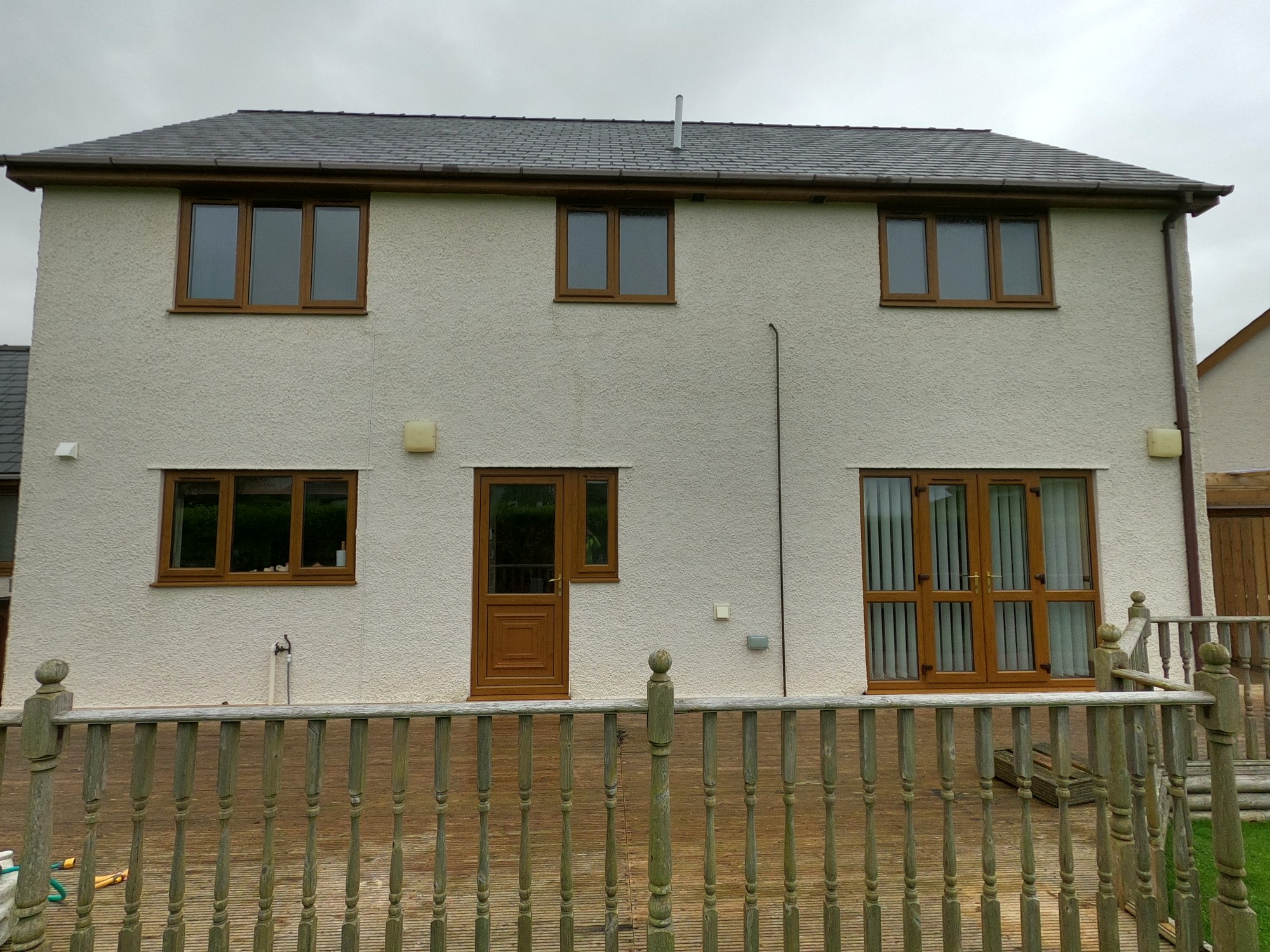
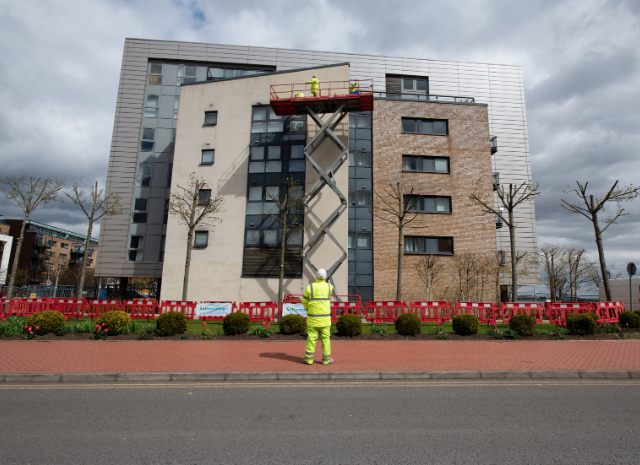

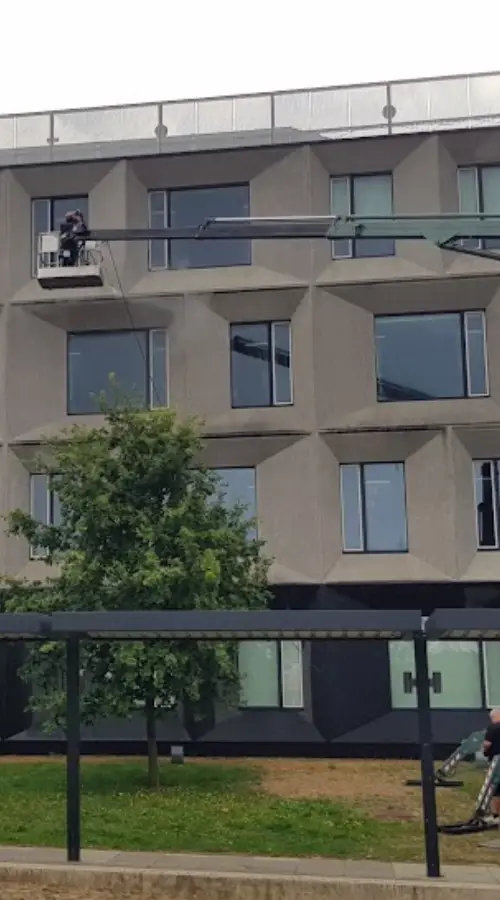
A retail or hospitality frontage is a trading asset, and its appearance is read as a proxy for the standards inside. Streaked, greened render above a shopfront suggests neglect to every passing customer, and it is one of the cheapest problems a business can fix. Commercial render cleaning of trading premises is therefore planned around one priority above all others: the work must not cost the business its custom while it is being done. That means scheduling before opening, after closing or on quiet days, and having the frontage clear, dry and open by the time trade begins. Equipment is set out to leave entrances and pedestrian routes usable, signage and barriers are positioned around any working area, and everything is removed as work finishes rather than left overnight. Where a building sits directly on a footway, telescopic soft wash equipment reaching from ground level is usually preferable to a platform, since it avoids obstructing the pavement entirely. Protection around a commercial frontage takes more thought than a domestic elevation. Signage, glazing, powder-coated shopfronts, lighting, awnings and any external seating all need covering before application, and vents and intakes are checked so nothing is drawn inside. Run-off is managed away from doorways. For multi-unit parades and estates we coordinate with each occupier so the whole terrace can be treated in one visit and finishes evenly, which is far better than a patchwork of individually cleaned units. Documentation, insurance details and product information are provided as standard. Businesses in Longlevens are quoted with the working window agreed in advance, so the price, the timing and the disruption are all known before anything is booked.
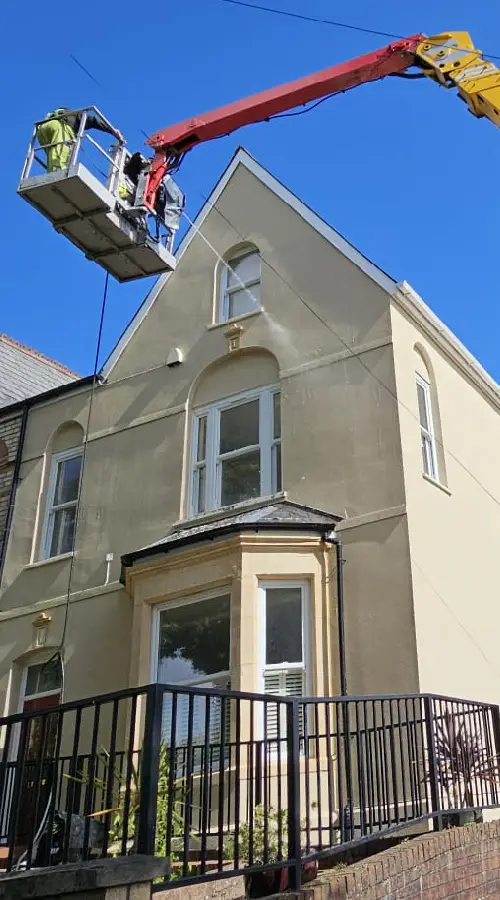
Pricing in this trade has a reputation for vagueness, and we have gone the other way deliberately. Every quotation is fixed, written and issued after somebody has physically looked at the wall. It states which elevations are included, the method to be used, the expected number of days on site and the total price. There is no hourly creep, no discovery of extra work halfway through, and no charge for a second application if one turns out to be needed. What drives render cleaning prices is not floor area but a handful of practical factors: the total elevation to be treated, how high it is and therefore what access is required, the render system and its condition, how heavily colonised the surface is, and how much protection the surroundings need. A two-storey semi with clear access and light algal film is a straightforward job. The same house with dense lichen under the eaves, mature planting against three walls and a narrow rear passage is a different one, and pricing them identically from a postcode would be guesswork. Softwashing UK prefers to spend twenty minutes on site and give a number that holds. We are equally clear about what we will not do. We will not quote for a wall we consider unsound without saying so first, and we will not undercut on price by shortening dwell time or diluting product beyond what works, since both simply move the cost to next year. Affordable render cleaning means value over the life of the finish, not the lowest figure on the day. Anyone in Longlevens weighing up quotations is welcome to ask us exactly what is included and what would ever change the price. The answer is nothing, once it is written down.
Longlevens is covered in full for house render cleaning and commercial work alike, together with Elmbridge, and both are served directly by our own teams. The area’s housing spans several decades of construction, which is the single biggest factor in how each job is approached. Established properties often carry traditional render, frequently painted at some stage, where the survey concentrates on the soundness of the existing coating, any previous patching and the state of sealant and rainwater goods before a method is agreed. More recent development and the many extensions in the area bring thin-coat and through-coloured finishes that call for a lighter approach and full-elevation working so no cleaning boundary is visible when the wall dries. It is common to find both systems on one property where an extension postdates the original, and each is treated appropriately so the finished elevation reads as one wall rather than two. Access here is generally workable, though closer-set streets and rear gardens reached only through a side passage in Elmbridge sometimes mean compact equipment or extended-reach poles instead of a platform, which we assess and price at survey rather than raising later. Where properties sit beside mature trees or high hedging, elevations stay damp longer and growth returns sooner, and we give an honest interval rather than promising a permanent result. Most standard houses are finished within a single visit. Quotations are fixed and written, listing the elevations included, the method and the duration, and where lichen is present we follow up a fortnight later to confirm the wall has finished clearing. A close photograph of your wall is normally enough for us to identify the finish and advise before anything is booked.
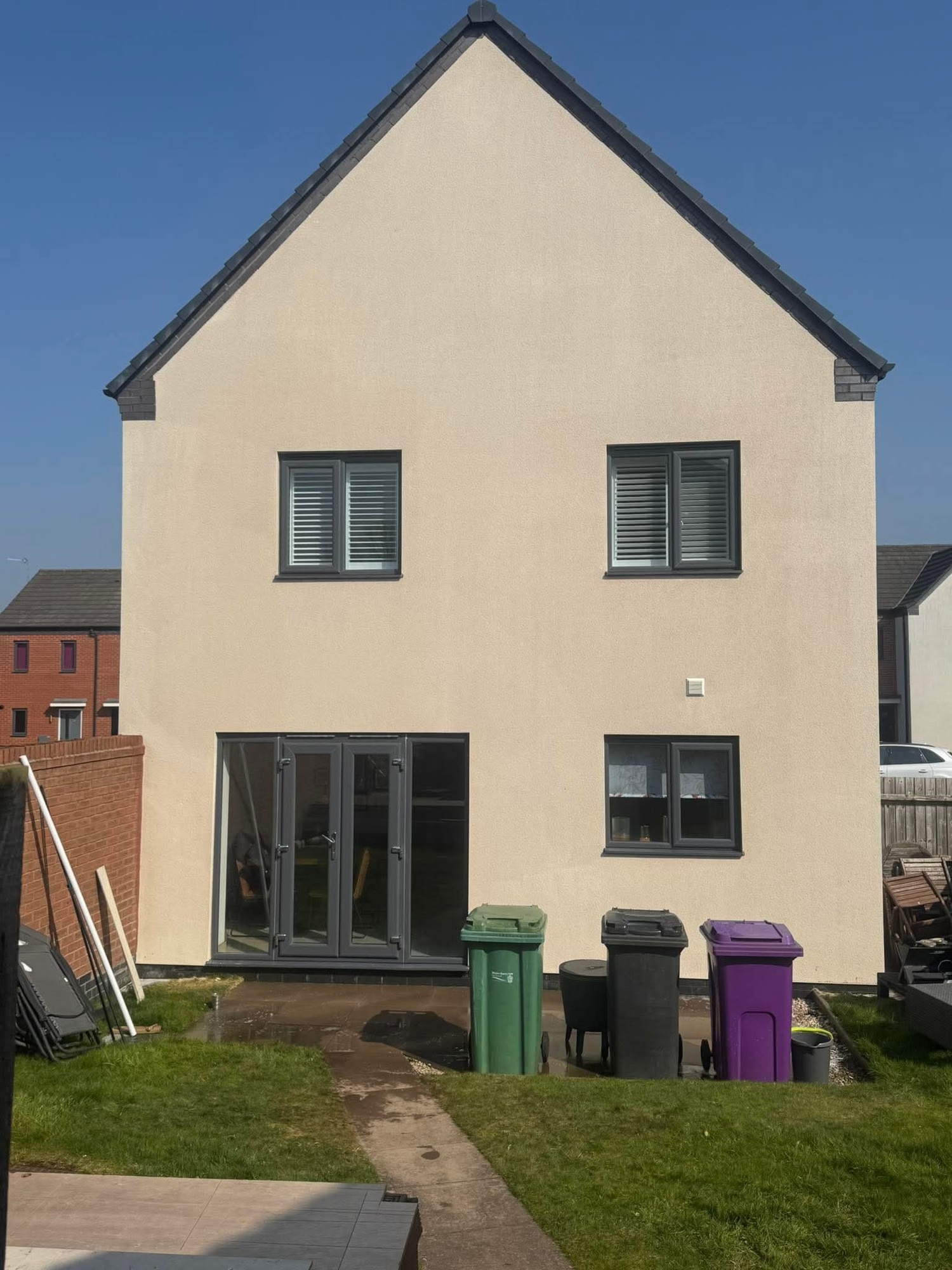
Most properties in Longlevens benefit from professional render cleaning every 3 to 5 years, although this depends on the surrounding environment. Properties near trees, woodland, busy roads or coastal areas may require more frequent cleaning due to algae, mould and airborne contaminants. Our soft washing process removes existing growth and helps keep your render cleaner for longer.
Yes. Soft washing is specifically designed for delicate surfaces such as K-Rend, silicone render, monocouche render and painted render. Unlike high-pressure washing, it cleans at low pressure while treating biological growth at its source, reducing the risk of damage to the render finish.
We clean virtually all external render finishes, including K-Rend, Monocouche, Weber, Sto, silicone render, acrylic render, painted render, roughcast and pebble dash. Every cleaning method is tailored to the specific render type to achieve the best possible results.
Yes. Our specialist soft washing treatments are highly effective at removing green algae, red algae, black mould, mildew, lichen and other organic staining. We also apply professional biocide treatments to kill spores and slow down regrowth.
Because our process targets the biological growth rather than simply washing the surface, results typically last much longer than pressure washing alone. The exact lifespan depends on weather conditions, surrounding vegetation and the property’s location.
No. Our soft washing process is specifically designed to clean render safely. We use low-pressure application methods and specialist cleaning solutions that remove contamination without damaging the render surface when carried out by trained professionals.
The UK’s damp climate provides ideal conditions for algae, mould and other biological growth to develop on rendered surfaces. Areas with limited sunlight, nearby trees or persistent moisture are especially susceptible. Professional soft washing safely removes these contaminants and restores your property’s appearance.











































If your property’s exterior is looking tired, stained or weathered, professional render cleaning Longlevens can completely transform its appearance without the expense of repainting or replacing the render. Over time, rendered walls naturally collect algae, moss, mould, pollution, dirt and other organic growth, leaving homes and commercial buildings looking older than they really are. Fortunately, modern cleaning techniques can safely restore almost every type of render while protecting the surface from unnecessary damage.
Whether you own a modern new-build with silicone render, a home finished with K Rend or monocouche render, or an older property with traditional cement render, investing in professional cleaning is one of the simplest ways to improve kerb appeal and extend the life of your exterior walls. This guide explains everything you need to know about render cleaning, including the best cleaning methods, common causes of staining, maintenance tips and how to choose the right contractor.
Render cleaning is the process of removing dirt, algae, moss, mould, pollution and other contaminants from rendered walls using specialist cleaning methods. Unlike general exterior cleaning, professional render cleaning services are designed specifically for delicate render finishes that require a more controlled approach than brick or concrete.
Many homeowners don’t realise that render is naturally porous. While it provides excellent protection against the weather, it also creates tiny surface textures where moisture and airborne contaminants can settle. Over time, these conditions encourage algae, mould and lichen to grow across the walls, causing green, black or red staining that gradually spreads if left untreated.
Professional house render cleaning removes these contaminants safely while restoring the original appearance of the property. Rather than simply washing away surface dirt, specialist treatments eliminate biological growth at its source, helping walls stay cleaner for longer.
The British climate provides ideal conditions for algae, moss and mould to thrive. Frequent rainfall, damp winters and shaded areas all contribute to biological growth on rendered surfaces.
Properties surrounded by trees often remain damp throughout the day, while north-facing walls receive very little direct sunlight. This combination of shade and moisture allows green algae to develop quickly. In urban areas, pollution from traffic gradually builds up across rendered walls, creating dark streaks and dull grey staining that cannot be removed with ordinary household cleaning products.
Red algae has become increasingly common on modern coloured render systems. Although it begins as small pink or orange spots, it can eventually spread across entire elevations if not professionally treated. Moss and lichen also develop on rendered walls, trapping additional moisture against the surface and making the property appear neglected.
Professional exterior render cleaning tackles these issues before they become permanent, helping preserve both the appearance and condition of the render.
Every render system has its own characteristics, which is why cleaning should always be tailored to the material rather than using the same method for every property.
Many newer homes benefit from silicone render cleaning, as silicone render has excellent water-repellent properties but can still become stained by algae and pollution. K Rend cleaning is another common service, restoring the appearance of this popular coloured render system without damaging its finish. Likewise, Monocouche render cleaning requires specialist knowledge to safely remove biological growth while protecting the decorative surface.
Many homeowners also request coloured render cleaning because they assume fading walls need repainting. In reality, years of dirt and algae often hide the original finish, and professional cleaning can dramatically improve the appearance without the need for costly decorating work.
Regardless of the render system installed, experienced render cleaning specialists will inspect the surface before selecting the most suitable cleaning process.
Attempting DIY cleaning often causes more harm than good. Many homeowners hire pressure washers believing that higher pressure delivers better results. Unfortunately, this can damage the render by removing protective coatings, opening small cracks or forcing water behind the surface.
Professional professional render cleaning uses methods designed specifically for rendered walls. Every property is carefully assessed before treatment begins, ensuring the safest approach is used for the particular render system.
Specialist cleaning also reaches deep into the microscopic pores where algae spores develop. This means the treatment continues working after the walls have been cleaned, slowing down future regrowth and providing much longer-lasting results.
One of the biggest misconceptions surrounding exterior cleaning is that pressure washing is suitable for every surface. While render pressure washing may remove visible dirt quickly, it is generally not recommended for delicate render because excessive pressure can permanently damage the finish.
Instead, most experienced contractors recommend render soft washing. Also known as soft wash render cleaning, this method combines low-pressure water application with specialist biodegradable cleaning solutions that remove algae, mould, moss and lichen safely.
Unlike pressure washing, soft washing doesn’t simply blast contaminants away. It kills the spores responsible for biological growth before gently rinsing the surface clean. This makes soft wash render cleaning one of the safest and most effective methods available for modern render systems.
Professional cleaning addresses far more than surface dirt. A comprehensive treatment includes render algae removal, eliminating the green staining commonly seen on shaded walls. It also provides effective render moss removal, preventing moss from retaining moisture against the building.
Many properties also require render mould removal, particularly in damp locations where mould develops around windows, beneath rooflines or on north-facing elevations. Black streaks caused by pollution and atmospheric contamination can often be eliminated through specialist render stain removal, restoring the render’s original appearance without harsh cleaning methods.
These treatments work together to improve both the appearance and long-term condition of rendered walls.
Professional residential render cleaning is suitable for detached houses, semi-detached homes, terraced properties, bungalows, apartment buildings and new-build developments. Whether the render has become lightly stained or heavily covered in algae, specialist cleaning can dramatically improve kerb appeal.
Businesses also benefit from commercial render cleaning, helping offices, hotels, schools, apartment blocks, retail premises and industrial buildings maintain a clean, professional appearance. Customers often form opinions before entering a building, making clean exterior walls an important part of presenting a positive image.
Larger commercial properties frequently require render facade cleaning to restore the appearance of external elevations exposed to weather and pollution throughout the year.
Many homeowners believe stained render needs repainting or replacing. In reality, professional render restoration often removes years of biological growth, pollution and environmental staining, revealing the original finish underneath.
Cleaning is considerably more affordable than replacing rendered walls and can often delay expensive renovation work for many years. By investing in routine render maintenance, homeowners protect their property’s appearance while reducing the likelihood of long-term deterioration.
Regular inspections also allow early signs of algae or mould to be treated before they spread across the entire property.
There is no universal schedule because every property experiences different environmental conditions. Homes surrounded by trees or located near woodland generally require more frequent attention than properties exposed to direct sunlight. Likewise, buildings close to busy roads accumulate pollution faster than those in quieter residential areas.
For most homes and commercial buildings, arranging professional render cleaning services every three to five years provides an excellent balance between appearance and preventative maintenance. Properties in particularly damp environments may benefit from more regular cleaning to prevent algae becoming firmly established.
If you’re searching online for render cleaning near me, it’s important to choose an experienced contractor rather than simply accepting the cheapest quotation.
A reputable local render cleaning company will inspect your property before recommending the most appropriate cleaning process. Rather than relying solely on pressure washing, experienced contractors understand the differences between silicone render, K Rend, monocouche render and painted render, ensuring every surface receives the correct treatment.
The best render cleaning service will also use specialist equipment, professional-grade cleaning solutions and proven soft washing techniques that deliver longer-lasting results.
Many homeowners are surprised to discover that affordable render cleaning is often far less expensive than repainting rendered walls. The overall render cleaning cost depends on factors including property size, accessibility, the severity of staining and the type of render installed. Most companies provide free surveys and quotations, allowing customers to compare render cleaning prices before making a decision.
Environmental responsibility is another important consideration. Many leading contractors now use eco friendly render cleaning products that effectively remove algae, mould and dirt while minimising the impact on surrounding plants, lawns and wildlife.
Keeping render clean isn’t just about appearance. Dirt, algae and moss trap moisture against the surface, increasing the likelihood of staining and reducing the lifespan of the render over time. Regular cleaning prevents organic growth from becoming deeply embedded, making future maintenance much easier and more affordable.
Professional cleaning also protects your investment by maintaining kerb appeal, reducing long-term repair costs and ensuring your property always looks its best. Whether you own a family home, rental property or commercial premises, regular render maintenance is one of the most cost-effective ways to preserve the exterior.
If your property has become stained by algae, moss, mould, pollution or years of accumulated dirt, professional render cleaning Longlevens can restore its appearance quickly, safely and effectively. From house render cleaning and commercial render cleaning to silicone render cleaning, K Rend cleaning, Monocouche render cleaning, render wall cleaning, render facade cleaning, render restoration and complete render maintenance, experienced specialists use safe soft washing techniques to deliver exceptional results.
Whether you’re searching for render cleaning near me, comparing render cleaning prices, looking for an affordable render cleaning solution or simply want advice from trusted render cleaning specialists, investing in professional cleaning will help protect your property, improve kerb appeal and keep your rendered walls looking their best for years to come.
WhatsApp us