Render does not last forever, and there comes a point where treating it is no longer the answer. A coat that is crazed across whole panels, hollow over substantial areas, losing its surface to the touch or shedding material at the base has reached the end of its service life, and no amount of cleaning changes that. The distinction matters because the two look similar from a distance. A heavily colonised wall and a failing one both read as neglected, and only one of them is recoverable with a treatment. What separates them is condition rather than appearance. Tap it: a sound render rings; a failed one sounds hollow. Look at the base: sound render is intact; failing render is crumbling or spalling. Look at the cracks: hairline crazing is common and rarely serious, while open cracking that follows no joint is not. Where a wall is sound, professional render cleaning does the whole job. Algae, lichen, moss and mould colonise the porous, textured face and hold moisture in it, so a biocidal solution is applied at low pressure and kills the colony at root. Our render cleaning services identify the render, survey the elevations and protect glazing, seals, frames, planting and hard surfaces before anything is applied. Render algae removal is quickest, render moss removal takes the most product, and render stain removal is handled separately afterwards. Exterior render cleaning is finished only when both the growth and any chemical marking have been dealt with, and where a section is beyond treating it is identified and excluded rather than worked over.
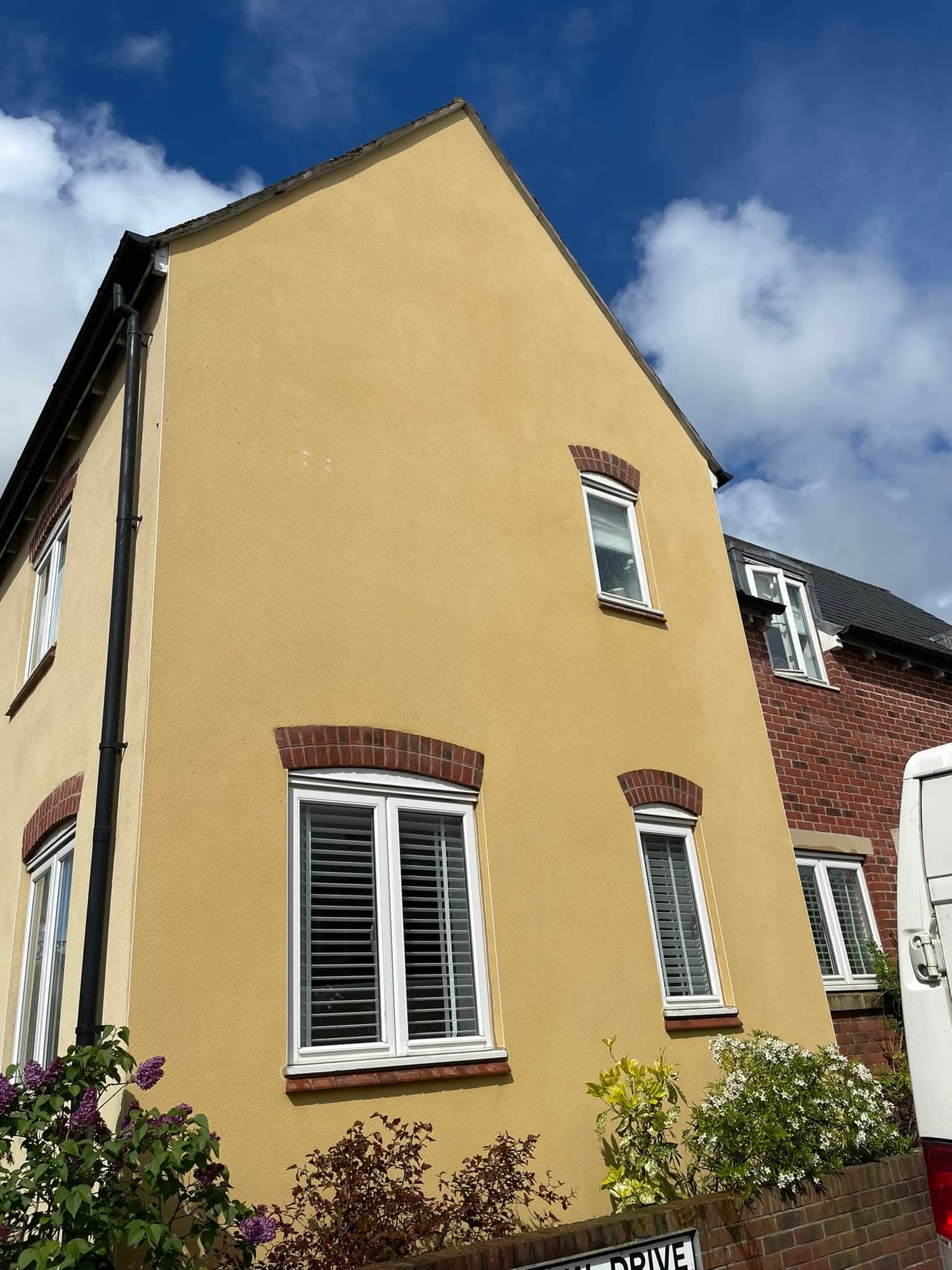
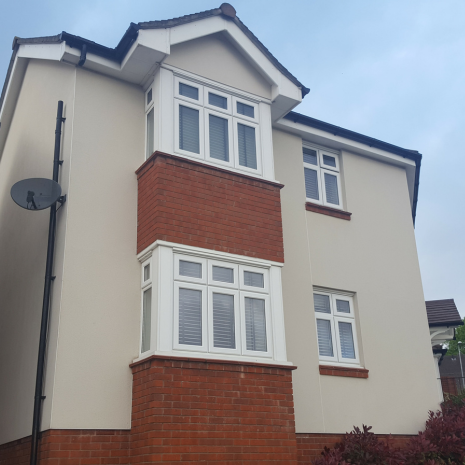

Thin-coat silicone systems fail differently from traditional renders, and the signs are worth knowing. Debonding is the main one: a section that sounds drummy has come away from the base coat, and once water finds it the area cracks and lifts. That is not an ageing problem so much as an application or a detailing one, and it can appear on a wall fifteen years old or five. Everything around it may be entirely sound. K Rend cleaning proceeds normally on the sound areas. A soft wash render cleaning solution is applied at low pressure from the top of the elevation down, wet-on-wet so contact time stays even, with additional passes where colonisation is heaviest, and a hollow section is treated gently or left depending on its condition. Render pressure washing on a debonded area removes it outright, which is one reason the check matters before anything is switched on. Beads, joints, mastic and cracking are inspected as a matter of course, and anything found is reported with photographs so somebody can decide what to do about it. Silicone render cleaning done chemically leaves the sound areas performing exactly as designed. Render soft washing kills at root and rain clears the dead layer across four to six weeks, and a hollow section is left in the condition it was found. Where a section is genuinely doubtful, a small test area settles it, since a sound coat responds normally and a failing one gives up surface even at low pressure. Render soft washing kills at root and rain clears the dead layer across four to six weeks, and a sound thin coat comes back to its original colour in that time.
Monocouche is thick and durable and tends to last well, but when it does fail it fails visibly. Crazing across a whole panel, cracking along a movement joint that has not moved as intended, and spalling at the base where water has sat are the usual signs. None of that is a cleaning matter, and a treatment applied over it makes it considerably more obvious once the growth has gone. That is worth expecting rather than discovering. Monocouche render cleaning on the sound areas is chemical throughout. Product is applied heavily, reapplied where the open granular face absorbs it, and whole elevations kept wet with sections worked to a live edge, with nothing abrasive at any stage since colour runs through the full depth of the coat. Coloured render cleaning also means recognising lime bloom, the chalky white haze produced where moisture draws salts through the coat. Persistent bloom on an older wall is itself a signal that moisture is moving through the render more than it used to. Render wall cleaning is worth deferring where repair work is planned, so the whole elevation weathers together afterwards. Render maintenance every three to five years also keeps a wall inspectable, since a coat carrying twenty years of growth hides exactly the signs that would have shown it was beginning to fail. Coloured render cleaning also means recognising lime bloom, the chalky white haze produced where moisture draws salts through the coat, which on an older wall is worth watching rather than simply removing. Render wall cleaning is worth deferring where repair work is planned, so any patching weathers alongside a clean elevation rather than against a dirty one.
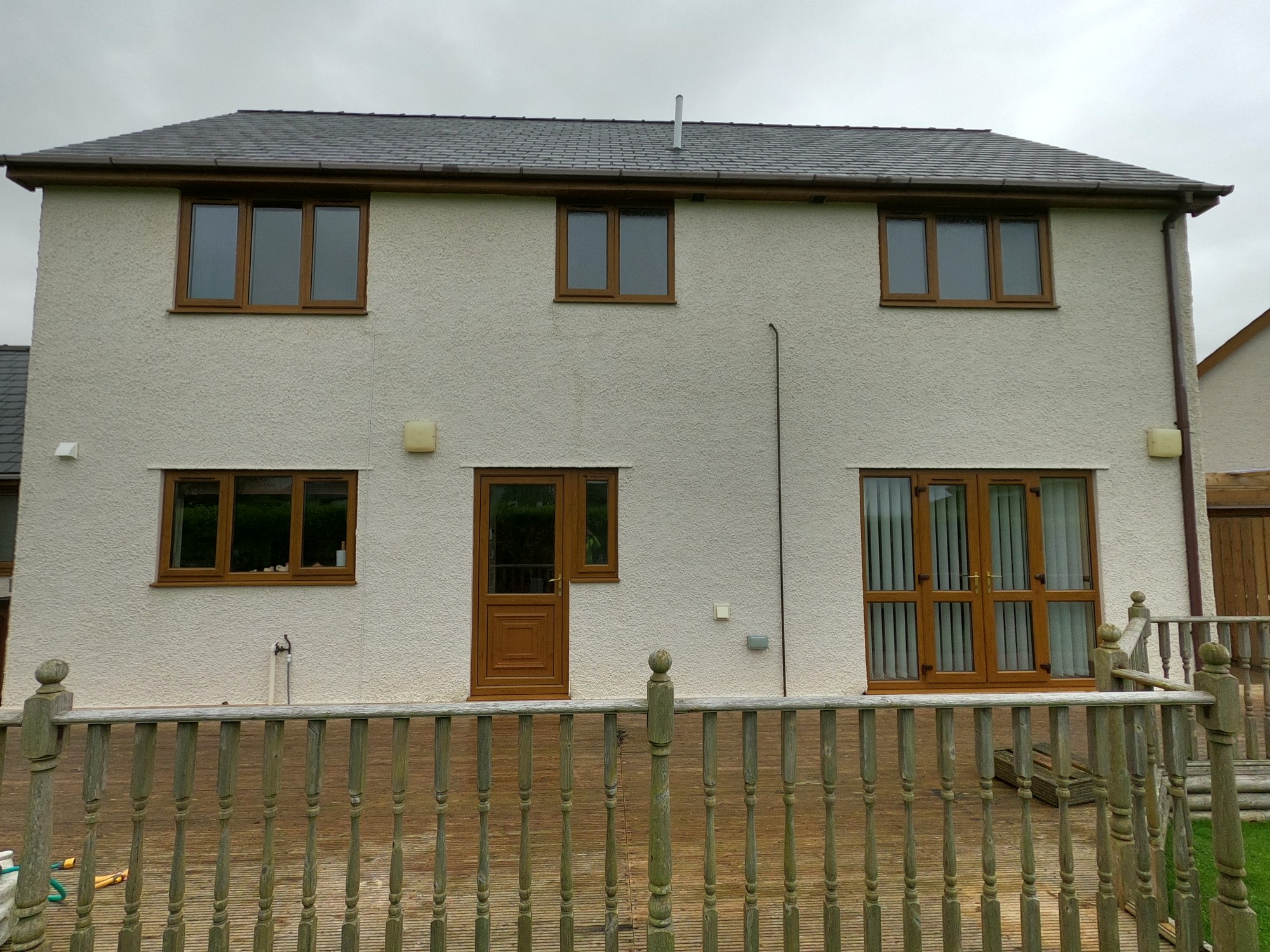
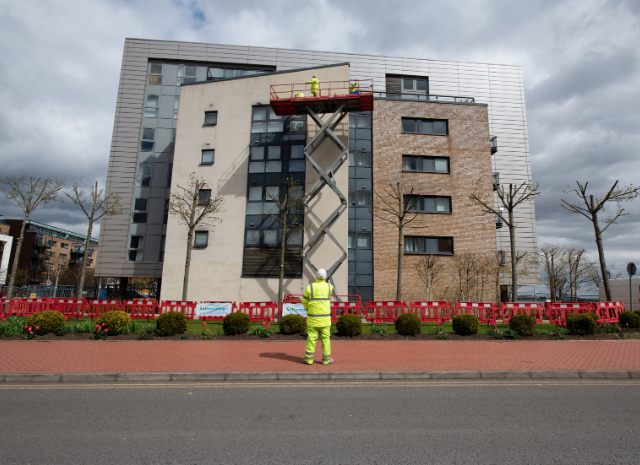

On a commercial building the condition assessment frequently matters more than the treatment. A facade approaching the end of its life needs a plan rather than a clean, and a survey carried out for cleaning purposes is often the first close inspection anybody has commissioned. Everything found is photographed, located and reported: hollow areas, open cracking, spalling, failed movement joints and any section where the render is no longer performing. Commercial render cleaning is then quoted for the areas genuinely worth treating, with anything excluded stated plainly rather than absorbed into the figure. The written programme sets out sequence, hours, welfare, parking, exclusion zones and permits before a date is confirmed. Most render facade cleaning is completed from ground level with long-reach soft wash equipment, avoiding scaffold entirely. Premises range from offices and retail units to hotels, care homes, schools, workshops and light industrial buildings. Risk assessments, method statements, COSHH information and insurance certification are supplied before mobilisation. Most render facade cleaning is completed from ground level with long-reach soft wash equipment, avoiding scaffold and keeping the working area small enough that a building trades normally. Premises range from offices and retail units to hotels, care homes, schools, workshops and light industrial buildings, with additional planning wherever residents, pupils or the public are present. Risk assessments, method statements, COSHH information and insurance certification are supplied before mobilisation. Where a client wants a condition record as well as a treatment, the survey findings are issued in a form that can be filed and compared against the next cycle. Where a facade is nearing the end of its life, the honest advice is to spend the money on the render rather than on cleaning it, and we will say so in writing.
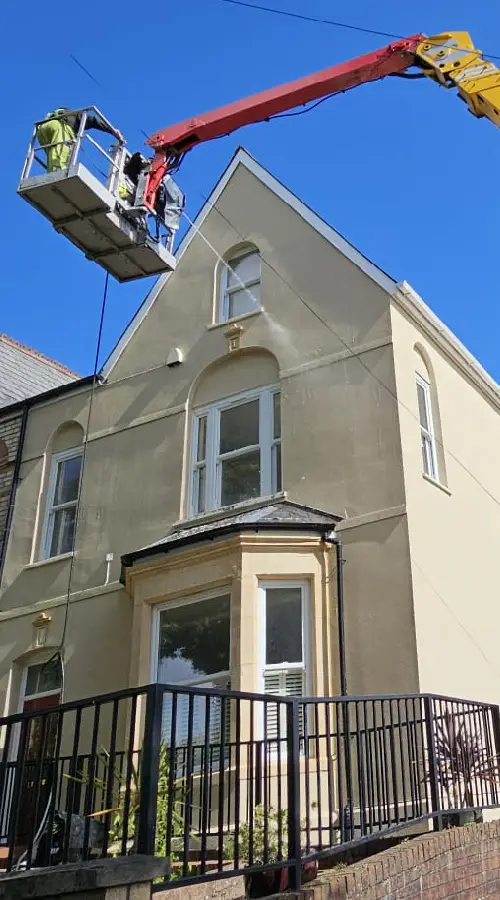
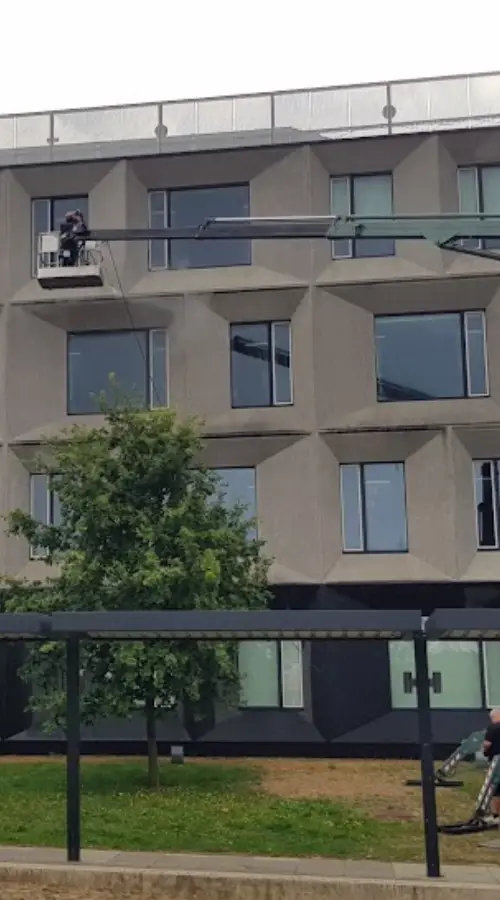
Softwashing UK will say where a wall is beyond treating, and it costs us the job every time. There is no satisfaction in cleaning an elevation that needs replacing, and a customer who spends money on the wrong thing does not come back for the right one. The awkward cases are the partial ones. A property with three sound elevations and one failed section is common, and the sensible answer is usually to treat what is sound, leave the failing area, and deal with it when the render is repaired. We will set that out rather than quoting for the whole building. Where a wall is borderline, a test area frequently settles it, since a sound coat responds normally and a failing one gives up surface even at low pressure. As render cleaning specialists working only on exterior coatings, none of the remedial work is ours and there is nothing to gain from overstating it either way. Full public liability cover is in place on every job, with method statements and risk assessments available on request. Products are biodegradable and applied in measured volumes, so eco friendly render cleaning is the ordinary approach here. Anyone in Truro comparing render cleaning prices on a doubtful wall should ask whether it is worth treating at all. A treated wall holds four to five years, which makes thorough work the affordable render cleaning option and an honest assessment of condition a fair sign of the best render cleaning service. Quotations are fixed, with elevations measured, condition and access assessed and the render cleaning cost written down alongside the scope and anything left out of it.
Truro coverage takes in Bodrean, Bridgetown, Highertown, Idless, Kenwyn, Malpas, New Mills, Newham, St Clement and Tregear, with jobs grouped so that travel does not appear in anyone’s figure and properties booked in the same week share a setup. If you are unsure whether a wall is dirty or failing, send photographs and say what it sounds like when tapped. That one detail settles most cases without anybody attending, and there is no charge for an opinion either way. House render cleaning covers modern silicone-rendered homes through to older properties with painted or traditional coatings. Residential render cleaning is priced per property, since render type, condition, contamination and access all change the amount of work involved. If one elevation is the problem, that is all we will quote for, and we will say honestly when a wall could reasonably wait another year or when it needs a renderer rather than us. Where several households want work at the same time, consecutive visits from one setup reduce the cost for everyone and take a single call to organise. Anything doubtful will bring us out to assess in person at no charge. Anyone searching render cleaning near me will find plenty of contractors and little explanation of method. As a local render cleaning company we would rather tell you the wall is past treating than take the work. Restricted access, three storeys or an uncertain render type will bring us out at no charge. Nobody needs to be present for the work itself, and the site is left exactly as it was found. Where a repair is planned, treating the wall afterwards produces a far better result than treating it first.
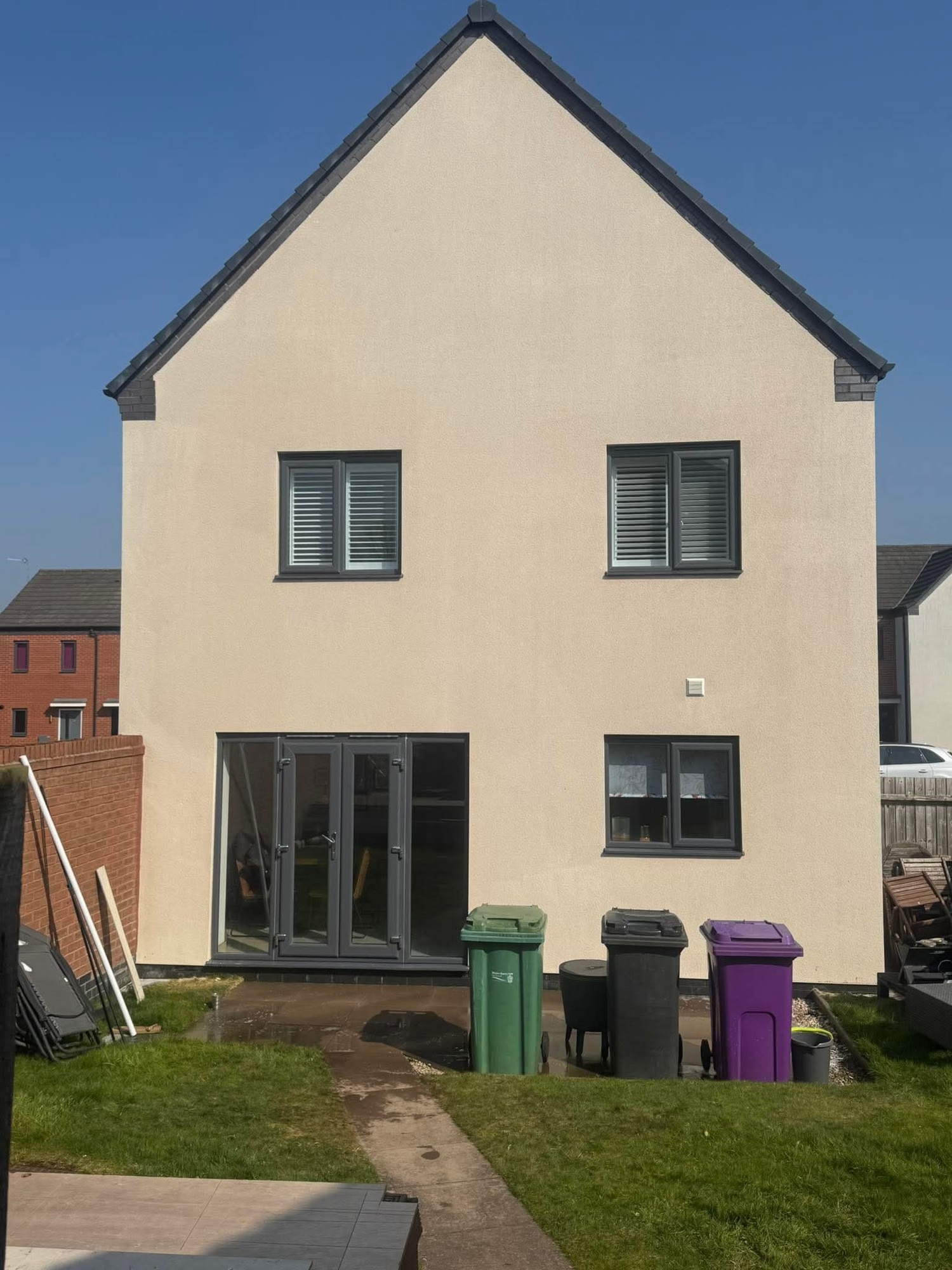
Most properties in Truro benefit from professional render cleaning every 3 to 5 years, although this depends on the surrounding environment. Properties near trees, woodland, busy roads or coastal areas may require more frequent cleaning due to algae, mould and airborne contaminants. Our soft washing process removes existing growth and helps keep your render cleaner for longer.
Yes. Soft washing is specifically designed for delicate surfaces such as K-Rend, silicone render, monocouche render and painted render. Unlike high-pressure washing, it cleans at low pressure while treating biological growth at its source, reducing the risk of damage to the render finish.
We clean virtually all external render finishes, including K-Rend, Monocouche, Weber, Sto, silicone render, acrylic render, painted render, roughcast and pebble dash. Every cleaning method is tailored to the specific render type to achieve the best possible results.
Yes. Our specialist soft washing treatments are highly effective at removing green algae, red algae, black mould, mildew, lichen and other organic staining. We also apply professional biocide treatments to kill spores and slow down regrowth.
Because our process targets the biological growth rather than simply washing the surface, results typically last much longer than pressure washing alone. The exact lifespan depends on weather conditions, surrounding vegetation and the property’s location.
No. Our soft washing process is specifically designed to clean render safely. We use low-pressure application methods and specialist cleaning solutions that remove contamination without damaging the render surface when carried out by trained professionals.
The UK’s damp climate provides ideal conditions for algae, mould and other biological growth to develop on rendered surfaces. Areas with limited sunlight, nearby trees or persistent moisture are especially susceptible. Professional soft washing safely removes these contaminants and restores your property’s appearance.












































WhatsApp us