


Render can completely transform the appearance of a property, giving it a modern, fresh finish that boosts kerb appeal and protects the underlying walls. However, over time many homeowners notice their once-pristine render becoming stained, discoloured or covered in biological growth.
The immediate question is often whether the render simply needs cleaning or whether it has reached the point where it needs replacing entirely.
Fortunately, in many cases, the render itself is still perfectly sound. What appears to be ageing or deterioration is often nothing more than surface contamination caused by green algae, red algae, moss, lichen, dirt and airborne pollution.
Before committing to the significant expense of rendering again, it’s worth understanding the differences between professional render cleaning and complete re-rendering.
At Soft Washing UK, properties are assessed individually to determine whether specialist soft washing can restore the existing finish safely and effectively.
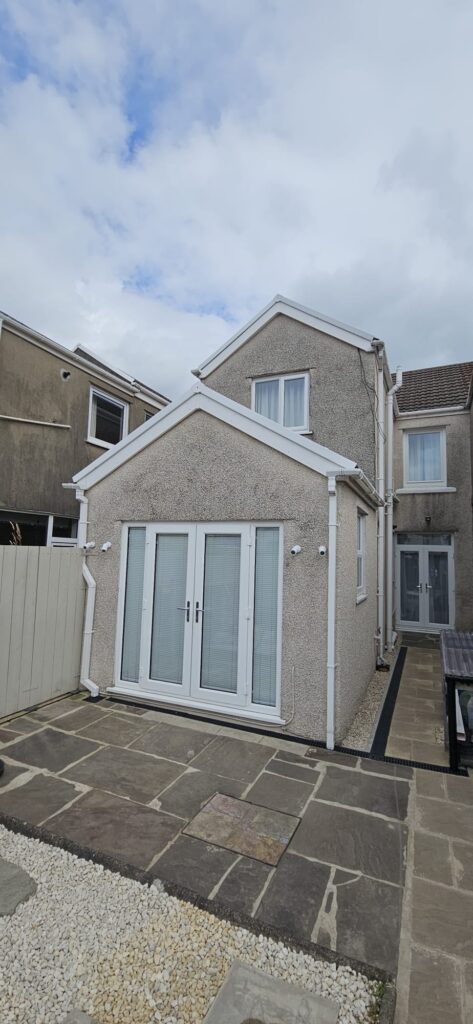
What Is Render Cleaning?
Render cleaning is the process of removing biological growth, dirt and staining from the exterior surface without damaging the render underneath.
Unlike high-pressure washing, professional soft washing uses specialist cleaning solutions combined with low-pressure application to remove contamination while protecting delicate finishes.
Render cleaning is suitable for many surfaces, including:
- Silicone render
- Monocouche render
- Acrylic render
- Painted render
- Traditional cement render
- Lime render
The aim is to restore the property’s appearance while extending the lifespan of the existing render.
What Does Rendering Again Mean?
Rendering again involves removing or covering the existing render before applying a completely new finish.
This is a much larger building project that usually includes:
- Scaffolding
- Surface preparation
- Repairs
- Removal of failed render
- New render application
- Drying and curing time
- Repainting where required
It is considerably more disruptive than professional cleaning and is normally only necessary when the existing render has genuinely failed.
The Main Differences
| Render Cleaning | Rendering Again |
|---|---|
| Removes stains and algae | Replaces the entire render system |
| Usually completed quickly | Can take several days or weeks |
| Minimal disruption | Major external works |
| Preserves existing finish | Completely new finish |
| Significantly lower cost | Considerably higher investment |
For many homeowners, cleaning provides all the improvement they need without the expense of replacement.
Signs Your Render Only Needs Cleaning
Many types of staining look far worse than they actually are.
If your render has:
- Green algae
- Red algae
- Black streaks
- Surface dirt
- Traffic pollution
- Bird staining
- General discolouration
there is a good chance the render remains structurally sound.
Professional cleaning often restores the original appearance remarkably well.
Signs Rendering Again May Be Necessary
Cleaning cannot repair structural damage.
If your render has problems such as:
- Large cracks
- Loose sections
- Hollow areas
- Water trapped behind the render
- Severe impact damage
- Failed adhesion
- Extensive delamination
replacement may be the better long-term solution.
A professional inspection helps determine which option is most appropriate.
Why Algae Makes Render Look Older
One of the biggest reasons homeowners believe render has reached the end of its life is biological growth.
Both green algae and red algae thrive on damp render surfaces.
As they spread, they create uneven staining that makes the property appear neglected.
Many people assume:
“The render has worn out.”
In reality, it may simply need specialist cleaning.
What Causes Render to Become Dirty?
Several environmental factors contribute to staining.
| Cause | Effect on Render |
|---|---|
| Green algae | Green patches and streaks |
| Red algae | Red or orange staining |
| Air pollution | Grey discolouration |
| Tree sap | Dark marks |
| Moss | Moisture retention |
| Lichen | Surface staining |
| Bird droppings | Localised staining |
These contaminants often sit on the surface rather than damaging the render itself.
Why Pressure Washing Isn’t Always the Answer
Pressure washing may appear to clean render quickly, but it isn’t always suitable.
High-pressure water can:
- Damage protective finishes
- Force water into cracks
- Remove paint
- Erode textured coatings
- Leave patchy results
Professional soft washing cleans far more gently while helping eliminate the biological growth responsible for future staining.
How Soft Washing Restores Render
Soft washing combines specialist cleaning solutions with controlled low-pressure application.
This process:
- Removes dirt
- Kills algae
- Treats microscopic spores
- Restores colour
- Protects delicate finishes
Rather than relying on force, the cleaning agents do most of the work.
This makes the process particularly suitable for modern render systems.
Cost Comparison
One of the biggest deciding factors is budget.
Although every property is different, the difference in investment can be substantial.
| Service | Typical Cost Range |
|---|---|
| Professional render cleaning | Hundreds of pounds |
| Partial rendering | Several thousand pounds |
| Full property re-render | Often several thousand to well over £10,000 depending on size |
If the existing render is still in good condition, cleaning often provides exceptional value for money.
At Soft Washing UK, the focus is on preserving existing render wherever possible, helping homeowners avoid unnecessary replacement costs.
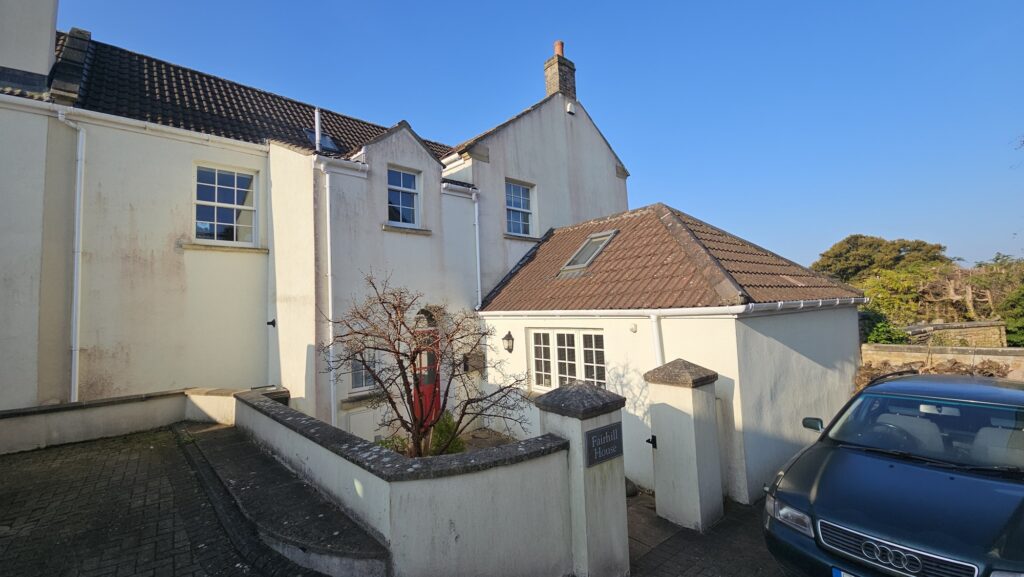
Does Cleaning Make Render Look New Again?
Professional cleaning can dramatically improve appearance.
Many homeowners are surprised by the transformation.
Cleaning can remove:
- Green staining
- Red staining
- Black marks
- Atmospheric pollution
- Organic growth
- Dirt build-up
However, cleaning cannot repair physical damage such as cracks or missing render.
It’s important to have realistic expectations.
How Long Does Render Cleaning Last?
The lifespan of professional cleaning depends on:
- Weather
- Tree cover
- Property location
- Surface type
- Moisture levels
- Maintenance
Properties treated using professional soft washing and biocide typically remain cleaner for several years compared with pressure washing alone.
Which Properties Benefit Most from Cleaning?
Render cleaning is particularly effective for:
- Modern new-build homes
- Detached houses
- Semi-detached properties
- Bungalows
- Apartment buildings
- Commercial premises
Almost any rendered building suffering from biological growth can benefit from professional cleaning before considering replacement.
Why Homeowners Often Choose Rendering Too Soon
It’s understandable why many people assume replacement is necessary.
The render may appear:
- Patchy
- Weathered
- Aged
- Dirty
- Uneven
After cleaning, many of these same properties regain much of their original appearance.
This can delay expensive building work by many years.
Environmental Benefits of Cleaning Instead of Replacing
Choosing to preserve existing render can also reduce waste.
Rendering again often involves removing large quantities of perfectly serviceable material.
Cleaning helps:
| Cleaning Existing Render | Rendering Again |
|---|---|
| Less construction waste | More waste generated |
| Fewer new materials | Large quantities of new render required |
| Lower transport requirements | Increased deliveries |
| Extends existing lifespan | Complete replacement |
Where appropriate, extending the life of existing materials is often the more sustainable option.
Does the Type of Render Matter?
Yes.
Different render systems respond differently to contamination and cleaning methods.
| Render Type | Suitable for Professional Soft Washing |
|---|---|
| Silicone render | Yes |
| Monocouche render | Yes |
| Acrylic render | Yes |
| Painted render | Yes |
| Cement render | Usually |
| Lime render | Requires specialist assessment |
Using the correct cleaning method is essential to avoid damaging specialist finishes.
Common Reasons Homeowners Consider Re-Rendering
Many enquiries begin with homeowners believing they need new render because of:
- Green algae covering shaded walls
- Red algae staining modern coloured render
- Black streaking beneath windows
- Uneven weathering
- General dirt accumulation
- Loss of kerb appeal
In a large number of cases, these issues are cosmetic rather than structural, making professional cleaning a practical first step before considering more invasive work.
The Importance of a Professional Assessment
Every rendered property ages differently depending on its location, exposure to the weather and maintenance history.
A proper assessment should consider:
- The age of the render
- Signs of structural failure
- Moisture levels
- Biological contamination
- Previous repairs
- Existing coatings
This helps determine whether cleaning alone is likely to achieve the desired result or whether replacement is genuinely required.
Comparing Disruption
For many homeowners, the level of disruption is just as important as the cost.
| Professional Render Cleaning | Rendering Again |
|---|---|
| Minimal disruption | Significant disruption |
| Shorter project duration | Extended building work |
| No removal of existing render | Existing render may need removing |
| Little mess | Considerable dust and debris |
| Property remains largely usable | Greater impact on daily life |
Where the render remains structurally sound, cleaning offers a far less disruptive way to restore the property’s appearance.
Protecting Your Investment
Render is a significant investment, and replacing it unnecessarily can be an avoidable expense.
Routine professional cleaning helps preserve both the appearance and lifespan of exterior finishes by removing contaminants before they become deeply established.
At Soft Washing UK, specialist soft washing techniques are designed to safely remove green algae, red algae, dirt and organic staining while protecting the render beneath. For many homeowners, professional cleaning provides an effective alternative to costly re-rendering, restoring the property’s appearance without the expense and disruption of replacing a render system that is still in good condition.
How Moisture Affects the Lifespan of Render
One of the biggest threats to render isn’t dirt—it’s prolonged moisture.
When render remains damp for extended periods, it creates ideal conditions for biological growth. Over time, this can make even relatively new render appear tired and neglected.
Common causes of excess moisture include:
- Blocked gutters
- Leaking downpipes
- Overflowing hoppers
- Poor drainage around the property
- Dense vegetation against walls
- Limited sunlight on north-facing elevations
While cleaning removes visible contamination, it’s equally important to address the source of the moisture to help keep the render looking its best for longer.
| Moisture Source | Potential Impact |
|---|---|
| Blocked gutters | Damp streaks and algae growth |
| Leaking pipework | Localised staining |
| Tree cover | Slower drying times |
| Poor ventilation | Increased humidity |
| Ground splashback | Lower wall staining |
Can Cleaning Reveal Hidden Damage?
A common concern among homeowners is whether cleaning will uncover problems beneath the dirt.
Professional render cleaning removes surface contamination, allowing the true condition of the render to become visible.
Occasionally, cleaning may reveal:
- Hairline cracks
- Minor impact damage
- Previous patch repairs
- Faded areas
- Small areas requiring maintenance
However, this is generally a positive outcome. Identifying these issues early allows repairs to be carried out before they develop into more serious and expensive problems.
Why DIY Cleaning Can Lead to Unnecessary Re-Rendering
Many homeowners attempt to clean render themselves using equipment designed for patios or driveways.
Unfortunately, render requires a much gentler approach.
Using excessive pressure or unsuitable chemicals can result in:
- Etched finishes
- Patchy colouring
- Damaged protective coatings
- Water penetration
- Surface erosion
Once damage has occurred, some homeowners mistakenly believe the render has failed and needs replacing.
In reality, the damage may have been caused during the cleaning process rather than by the render itself.
Professional soft washing helps minimise this risk by using techniques specifically developed for delicate rendered surfaces.
Modern Render Systems Are Designed to Last
High-quality render systems are manufactured to provide many years of protection when properly maintained.
Although exact lifespans vary depending on the product and environmental conditions, modern render can often last for decades.
Routine cleaning helps maximise that lifespan by removing contaminants that retain moisture against the surface.
Instead of allowing algae and dirt to build up year after year, periodic maintenance keeps the render in better overall condition.
The Visual Difference Professional Cleaning Can Make
Homeowners are often surprised by the transformation achieved through specialist soft washing.
What initially appears to be faded render is frequently nothing more than accumulated biological staining.
Cleaning can restore:
| Before Cleaning | After Professional Cleaning |
|---|---|
| Green staining | Brighter finish |
| Red algae patches | More consistent colour |
| Black streaks | Cleaner appearance |
| Weather staining | Improved kerb appeal |
| Surface dirt | Fresh-looking render |
Although cleaning cannot reverse physical ageing or repair structural defects, it can dramatically improve the overall appearance of a property.
When Localised Repairs May Be Enough
If only a small section of render has been damaged, full replacement is rarely the only option.
Depending on the condition of the surrounding render, localised repairs may be appropriate before the entire property is cleaned.
Examples include:
- Small cracks
- Minor impact damage
- Isolated blown areas
- Repairs around windows and doors
Once repaired, professional cleaning can often help create a much more uniform appearance across the whole elevation.
Why Regular Maintenance Costs Less Over Time
Waiting until render becomes heavily stained often results in a more time-consuming cleaning process.
Instead, adopting a planned maintenance approach can reduce long-term costs.
| Maintenance Strategy | Long-Term Benefit |
|---|---|
| Regular inspections | Early identification of issues |
| Prompt gutter repairs | Less moisture exposure |
| Professional cleaning every few years | Reduced biological growth |
| Vegetation management | Improved airflow |
| Treating stains early | Easier maintenance |
Although professional cleaning represents an investment, it is often significantly more affordable than replacing render that could otherwise have remained serviceable.
The Role of Biocide in Protecting Render
One of the key differences between a superficial clean and a professional soft wash is the use of specialist biocide treatments.
While visible algae can be removed relatively easily, microscopic spores often remain embedded within textured surfaces.
These spores are responsible for future regrowth.
Professional biocide treatments help to:
- Kill remaining spores
- Slow future algae growth
- Reduce the frequency of cleaning
- Improve the longevity of results
This is especially important for properties affected by both green algae and red algae, which can return quickly if only the visible staining is removed.
Kerb Appeal Without Major Building Work
Re-rendering can undoubtedly transform a property, but if the render itself is still structurally sound, professional cleaning may achieve a remarkably similar visual improvement with far less disruption.
A cleaner exterior can:
- Improve first impressions
- Increase pride in the property
- Refresh tired-looking elevations
- Complement new windows or doors
- Enhance overall kerb appeal
For homeowners considering selling, a professionally cleaned exterior may also help present the property in its best possible condition.
Questions to Ask Before Choosing Re-Rendering
Before committing to the expense of replacing render, it is worth asking a few important questions.
| Question | Why It Matters |
|---|---|
| Is the render structurally sound? | Cleaning may be sufficient |
| Are the stains caused by algae? | Biological growth is usually removable |
| Has the render been professionally assessed? | Prevents unnecessary replacement |
| Are there only isolated areas of damage? | Local repairs may solve the problem |
| Has professional soft washing been considered? | May restore the original appearance |
These questions can help homeowners make a more informed decision and potentially avoid unnecessary costs.
Choosing the Right Long-Term Solution
Every rendered property is different, and there is no one-size-fits-all answer.
Where render has reached the end of its serviceable life through extensive cracking, detachment or water ingress, replacement may be unavoidable.
However, if the render is fundamentally sound and the main issue is staining from green algae, red algae, dirt or atmospheric pollution, professional cleaning is often the more practical and cost-effective solution.
At Soft Washing UK, each property is carefully assessed before work begins. The focus is on preserving existing render wherever possible, using specialist soft washing techniques that safely restore appearance while helping to extend the life of the finish. By cleaning rather than replacing when appropriate, homeowners can often achieve outstanding results while avoiding the considerable cost, disruption and waste associated with unnecessary re-rendering.