Charging by the hour would suit us and would serve the customer badly, which is why every job is priced as a fixed figure for the property. The reason is that the most important stage of a render clean is the one where nothing appears to be happening. Dwell, the period during which the biocide is in contact with the growth and actually killing it, is what determines whether the wall stays clean for years or greens over within a season, and it can occupy several hours of a working day. An hourly arrangement creates a direct incentive to extend it and an equally direct suspicion from the customer that it is being extended, neither of which is helpful. Worse, on a cold day when dwell genuinely needs to be longer, an hourly rate makes the correct decision look like profiteering. Pricing the job instead removes all of that. We assess at survey what the property actually needs, including volume of solution for the texture and density of growth, the dwell the conditions will require, access, protection, whether a second application is likely and the follow-up visit, and we quote one figure covering all of it. If the work takes longer than we expected, that is our problem rather than the customer’s, and it is a strong incentive to survey properly. If a second application turns out to be necessary, it is already included. Render cleaning at properties around Whitminster is therefore quoted on what the wall requires rather than on how long somebody stands in front of it, and the figure does not move once given.
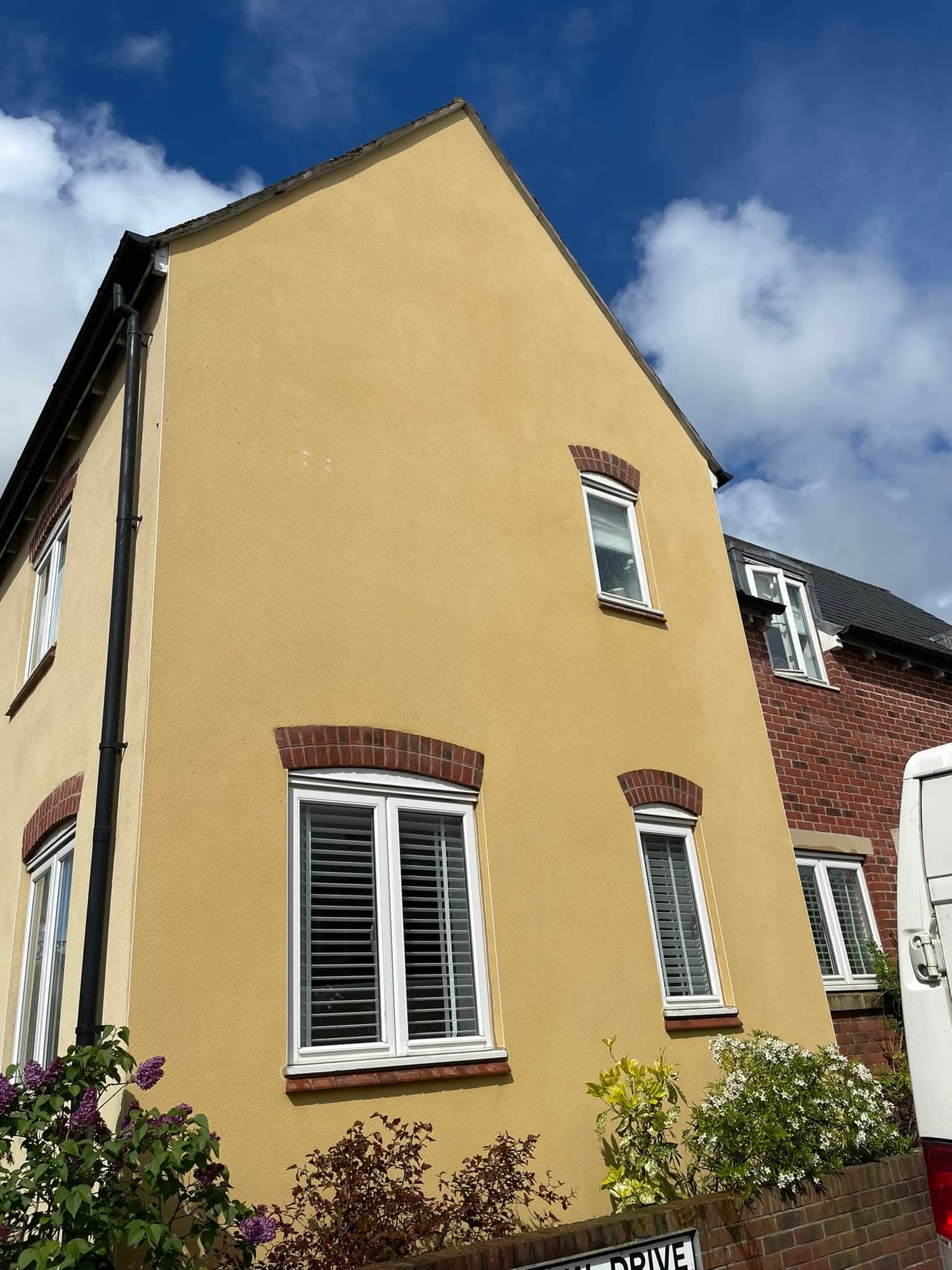
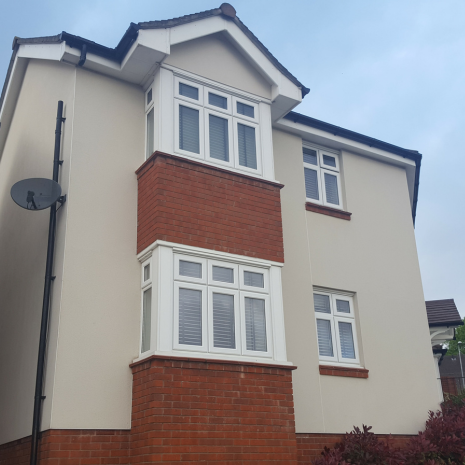

Rain shadow explains a good deal of the soiling pattern on a thin-coat building, and it is not intuitive. The natural assumption is that the elevations getting wettest will be dirtiest, and the opposite is usually true. Rain does two things to a wall: it wets it, which growth needs, and it washes it, carrying off airborne dust, spores and loose organic material. A wall receiving driving rain regularly gets both, and the washing effect combined with faster drying in wind means those faces frequently stay reasonably clean. A wall in rain shadow, sheltered by the building’s own form, by a neighbouring structure, by dense planting or simply by facing away from the prevailing weather, receives very little washing while still collecting everything that settles on it from the air. It also dries more slowly because it sees less wind. That combination is what produces the heaviest colonisation. The same principle operates locally on a single elevation: the strip under a deep eaves, the area behind a downpipe, the recess of a reveal and the underside of a bay are all in rain shadow at a small scale, and all are dirtier than the open wall around them. Recognising it is what tells us where to concentrate volume and dwell rather than treating an elevation uniformly. It also explains to owners why the wall they assumed was the problem is often fine and the sheltered one is not. K Rend cleaning at properties around Whitminster is planned around the rain shadow pattern rather than around orientation alone. Where the pattern on a wall does not fit its orientation, the explanation is almost always shelter rather than aspect, and identifying it changes both the treatment and the interval we recommend.
A downpipe discharging straight onto the ground at the base of a monocouche wall causes more damage than almost any other detail failure, and it is extremely common. The purpose of a shoe or a connection to a drain is to take the entire roof’s water away from the building. Where the pipe simply stops short of the ground, or where a shoe has broken off, the full volume from a roof slope arrives at the base of the wall in every shower and splashes back against it, often to a height of half a metre or more. That zone is then permanently wet through winter, colonises heavily, and where the plinth detail is also bridged, the render is drawing moisture from saturated ground as well. The visible result is a dense dark patch centred on the discharge point, wider and darker than the general plinth band, sometimes with moss established. On a porous mineral render the surface there frequently shows early deterioration once the growth is removed. Treating it means giving the area greater volume, extended dwell and usually a second application, but it is one of the clearest cases where cleaning alone achieves nothing lasting. Fitting a shoe, or better still connecting to a gully, costs very little and transforms the behaviour of that section of wall. We photograph the detail and say so plainly rather than treating the symptom annually. Monocouche render cleaning at properties around Whitminster regularly uncovers exactly this, and it is usually the single cheapest improvement an owner can make. Where a downpipe cannot practicably be connected to a drain, even directing the discharge away from the wall with a shoe and a channel makes a measurable difference to how that section behaves.
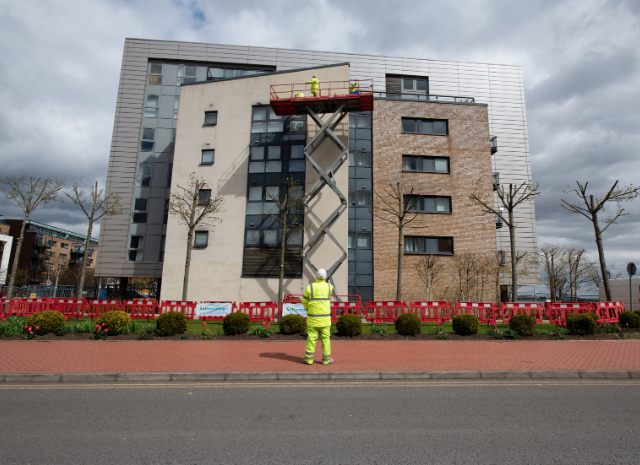

Where exterior cleaning is to be written into a lease, a management agreement or a service contract, the wording is worth getting right, since vague obligations produce disputes and unrealistic ones produce non-compliance. A few points make the difference. Specify an interval range rather than a fixed period, because elevations differ, and a clause requiring cleaning every three years is either excessive on an exposed sunlit face or inadequate on a shaded one. Better still, require cleaning when biological growth becomes established, with a stated maximum interval as a backstop. Specify the method, prohibiting high-pressure washing explicitly and requiring a biocidal treatment with adequate contact time, since this is where damage originates and a clause silent on method invites the cheapest approach. Require the whole elevation to be treated rather than affected areas, to avoid the patchwork that partial cleaning produces. State who is responsible for the ancillary structures, since garden walls, boundary walls, bin stores and chimney stacks are routinely omitted from obligations drafted around the building. Require records, meaning dated photographs and details of products used, which protects both parties and survives a change of agent or ownership. And require the contractor to hold insurance covering work at height and chemical application at a stated level. We are happy to help draft or review such wording, including for arrangements where we are not the contractor. Commercial render cleaning obligations affecting buildings around Whitminster are much easier to comply with when they were written by somebody who understood the work. Where wording has already been agreed and cannot be changed, we will work within it and point out where it is likely to cause difficulty rather than treating it as somebody else problem.
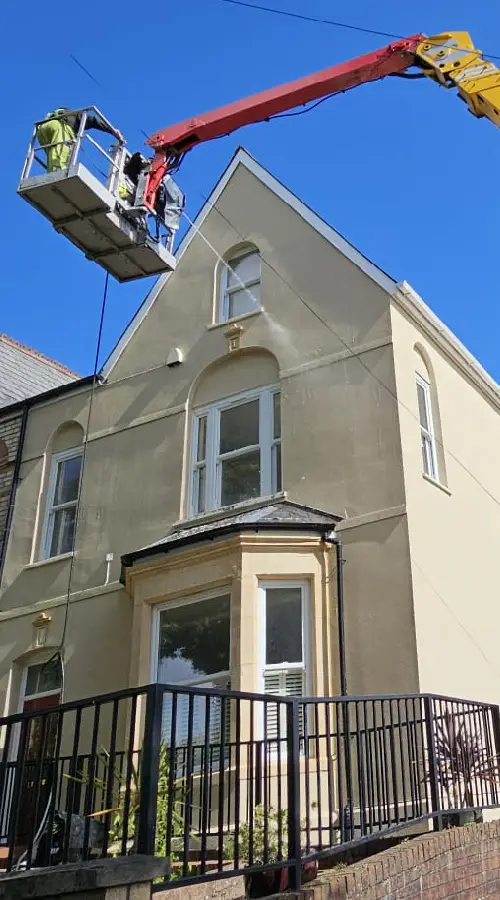
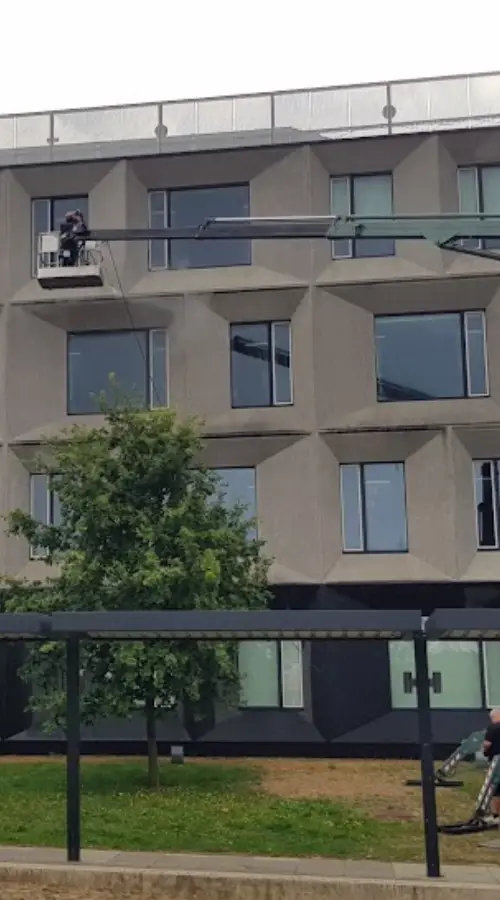
Maintaining the same standard through the busiest part of the year is a matter of capacity rather than intention, and we manage it by limiting the work we take on. Spring is when almost everybody notices their walls, and the temptation for any contractor is to book the diary solid and compress each job to fit. That is precisely how dwell gets shortened, coverage gets thin at gable apexes, detail areas get swept over and the follow-up visit quietly disappears. The customer sees a wall that looks acceptable on the day and greens over eighteen months later, by which point the connection is not obvious. We would rather tell somebody in April that we cannot attend until May than take the booking and rush it. That occasionally loses us work to whoever can attend on Thursday, and we accept it. We also do not bring in temporary labour to cover peak periods, because the judgement involved in this work, identifying a system, setting dilution, deciding when dwell is sufficient, is not something somebody acquires in a fortnight, and a single badly handled elevation costs more in reputation than the job was worth. Softwashing UK grows slowly for the same reason. What that means practically is that our quotation includes a realistic date rather than an optimistic one, and if weather moves it we offer the next suitable slot rather than pushing the job back indefinitely. Owners around Whitminster booking in spring are told honestly when we can attend rather than being promised a date to secure the work. Where a client would prefer to see how the time is actually spent, we are happy to explain the sequence in advance so the length of the visit makes sense before it begins rather than afterwards.
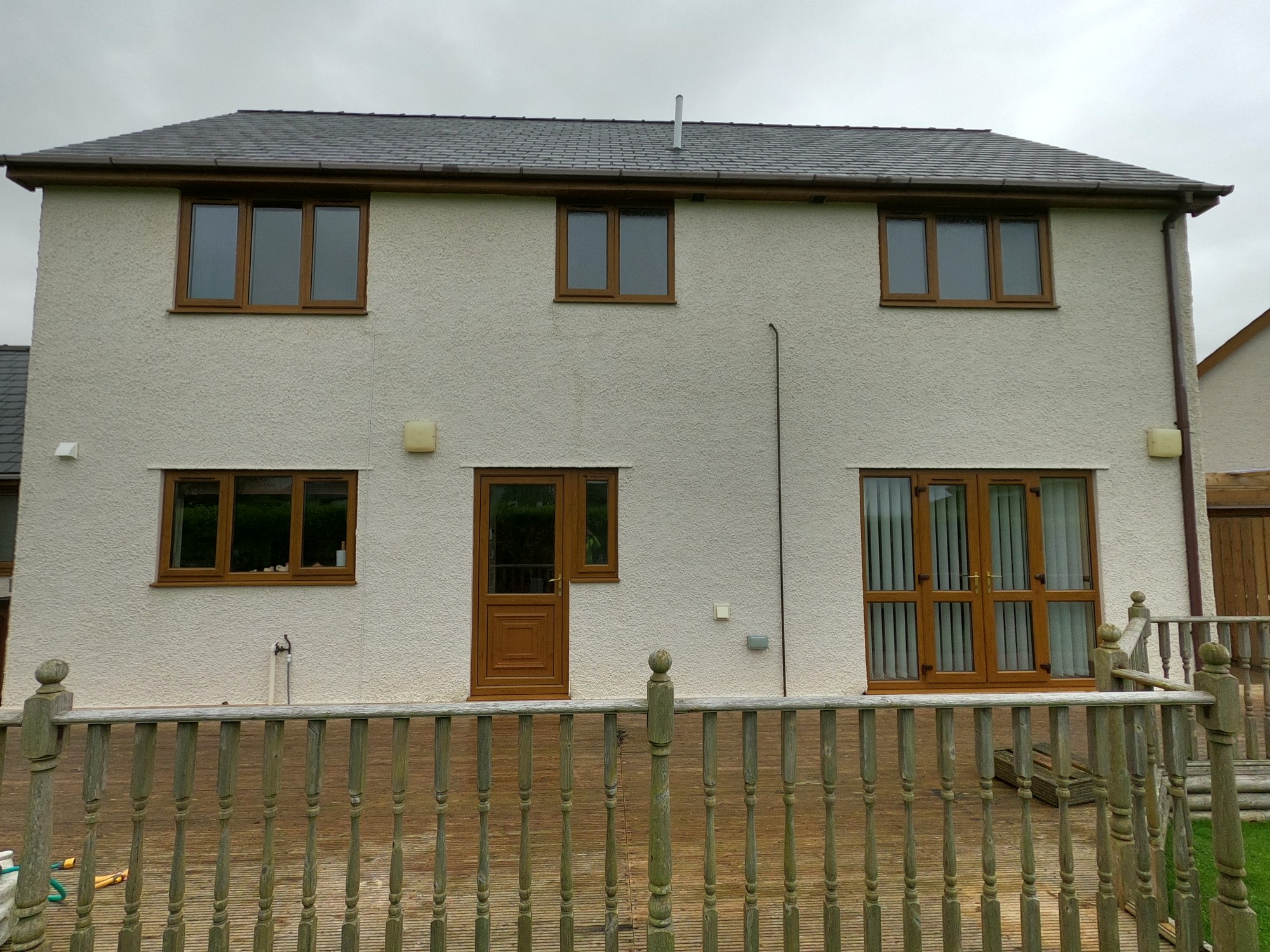
Whitminster is covered in full, together with Moreton Valence, and every enquiry is handled directly by our own teams. The property across both is varied in age, construction and position, which is why a physical survey always precedes a price rather than an estimate being given from an address. Older buildings commonly carry traditional sand and cement or lime-based render, often painted at some point, and many combine render with stone or brick on one elevation, so each material is assessed and treated appropriately rather than with a single method, with a trial patch used wherever masonry is old or a coating’s history is uncertain. Newer housing and extensions bring thin-coat and through-coloured systems requiring lighter chemistry and continuous full-elevation working. Sheltered faces in rain shadow are treated as the priority areas rather than the elevations taking the most weather, since these are consistently the most heavily colonised. Downpipes discharging directly to the ground, missing shoes, bridged plinths and blocked gullies are all looked for at survey and recorded with photographs, because the growth they cause returns within a season regardless of how well it is treated. Quotations are fixed for the property rather than charged by the hour, which removes any incentive to shorten the dwell period that determines how long a clean lasts. Access is assessed on site and included in the price. Garden walls, garages, outbuildings and rendered chimney stacks are surveyed alongside the main building as standard. Quotations are itemised by elevation and by structure so the scope is visible, and a follow-up a fortnight later confirms the treatment has finished acting before the job is closed.
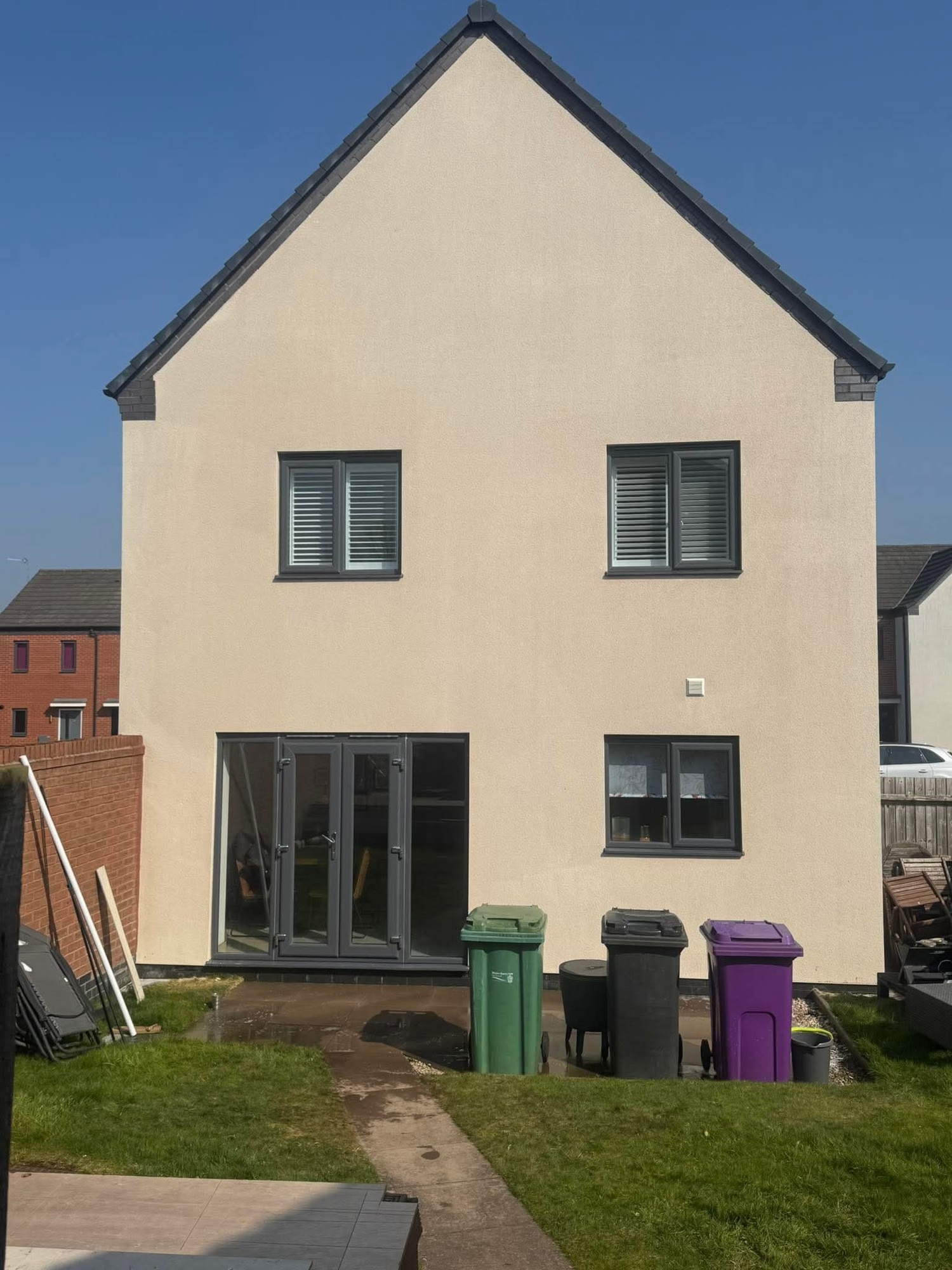
Most properties in Whitminster benefit from professional render cleaning every 3 to 5 years, although this depends on the surrounding environment. Properties near trees, woodland, busy roads or coastal areas may require more frequent cleaning due to algae, mould and airborne contaminants. Our soft washing process removes existing growth and helps keep your render cleaner for longer.
Yes. Soft washing is specifically designed for delicate surfaces such as K-Rend, silicone render, monocouche render and painted render. Unlike high-pressure washing, it cleans at low pressure while treating biological growth at its source, reducing the risk of damage to the render finish.
We clean virtually all external render finishes, including K-Rend, Monocouche, Weber, Sto, silicone render, acrylic render, painted render, roughcast and pebble dash. Every cleaning method is tailored to the specific render type to achieve the best possible results.
Yes. Our specialist soft washing treatments are highly effective at removing green algae, red algae, black mould, mildew, lichen and other organic staining. We also apply professional biocide treatments to kill spores and slow down regrowth.
Because our process targets the biological growth rather than simply washing the surface, results typically last much longer than pressure washing alone. The exact lifespan depends on weather conditions, surrounding vegetation and the property’s location.
No. Our soft washing process is specifically designed to clean render safely. We use low-pressure application methods and specialist cleaning solutions that remove contamination without damaging the render surface when carried out by trained professionals.
The UK’s damp climate provides ideal conditions for algae, mould and other biological growth to develop on rendered surfaces. Areas with limited sunlight, nearby trees or persistent moisture are especially susceptible. Professional soft washing safely removes these contaminants and restores your property’s appearance.















































If your property’s exterior is looking tired, stained or weathered, professional render cleaning Whitminster can completely transform its appearance without the expense of repainting or replacing the render. Over time, rendered walls naturally collect algae, moss, mould, pollution, dirt and other organic growth, leaving homes and commercial buildings looking older than they really are. Fortunately, modern cleaning techniques can safely restore almost every type of render while protecting the surface from unnecessary damage.
Whether you own a modern new-build with silicone render, a home finished with K Rend or monocouche render, or an older property with traditional cement render, investing in professional cleaning is one of the simplest ways to improve kerb appeal and extend the life of your exterior walls. This guide explains everything you need to know about render cleaning, including the best cleaning methods, common causes of staining, maintenance tips and how to choose the right contractor.
Render cleaning is the process of removing dirt, algae, moss, mould, pollution and other contaminants from rendered walls using specialist cleaning methods. Unlike general exterior cleaning, professional render cleaning services are designed specifically for delicate render finishes that require a more controlled approach than brick or concrete.
Many homeowners don’t realise that render is naturally porous. While it provides excellent protection against the weather, it also creates tiny surface textures where moisture and airborne contaminants can settle. Over time, these conditions encourage algae, mould and lichen to grow across the walls, causing green, black or red staining that gradually spreads if left untreated.
Professional house render cleaning removes these contaminants safely while restoring the original appearance of the property. Rather than simply washing away surface dirt, specialist treatments eliminate biological growth at its source, helping walls stay cleaner for longer.
The British climate provides ideal conditions for algae, moss and mould to thrive. Frequent rainfall, damp winters and shaded areas all contribute to biological growth on rendered surfaces.
Properties surrounded by trees often remain damp throughout the day, while north-facing walls receive very little direct sunlight. This combination of shade and moisture allows green algae to develop quickly. In urban areas, pollution from traffic gradually builds up across rendered walls, creating dark streaks and dull grey staining that cannot be removed with ordinary household cleaning products.
Red algae has become increasingly common on modern coloured render systems. Although it begins as small pink or orange spots, it can eventually spread across entire elevations if not professionally treated. Moss and lichen also develop on rendered walls, trapping additional moisture against the surface and making the property appear neglected.
Professional exterior render cleaning tackles these issues before they become permanent, helping preserve both the appearance and condition of the render.
Every render system has its own characteristics, which is why cleaning should always be tailored to the material rather than using the same method for every property.
Many newer homes benefit from silicone render cleaning, as silicone render has excellent water-repellent properties but can still become stained by algae and pollution. K Rend cleaning is another common service, restoring the appearance of this popular coloured render system without damaging its finish. Likewise, Monocouche render cleaning requires specialist knowledge to safely remove biological growth while protecting the decorative surface.
Many homeowners also request coloured render cleaning because they assume fading walls need repainting. In reality, years of dirt and algae often hide the original finish, and professional cleaning can dramatically improve the appearance without the need for costly decorating work.
Regardless of the render system installed, experienced render cleaning specialists will inspect the surface before selecting the most suitable cleaning process.
Attempting DIY cleaning often causes more harm than good. Many homeowners hire pressure washers believing that higher pressure delivers better results. Unfortunately, this can damage the render by removing protective coatings, opening small cracks or forcing water behind the surface.
Professional professional render cleaning uses methods designed specifically for rendered walls. Every property is carefully assessed before treatment begins, ensuring the safest approach is used for the particular render system.
Specialist cleaning also reaches deep into the microscopic pores where algae spores develop. This means the treatment continues working after the walls have been cleaned, slowing down future regrowth and providing much longer-lasting results.
One of the biggest misconceptions surrounding exterior cleaning is that pressure washing is suitable for every surface. While render pressure washing may remove visible dirt quickly, it is generally not recommended for delicate render because excessive pressure can permanently damage the finish.
Instead, most experienced contractors recommend render soft washing. Also known as soft wash render cleaning, this method combines low-pressure water application with specialist biodegradable cleaning solutions that remove algae, mould, moss and lichen safely.
Unlike pressure washing, soft washing doesn’t simply blast contaminants away. It kills the spores responsible for biological growth before gently rinsing the surface clean. This makes soft wash render cleaning one of the safest and most effective methods available for modern render systems.
Professional cleaning addresses far more than surface dirt. A comprehensive treatment includes render algae removal, eliminating the green staining commonly seen on shaded walls. It also provides effective render moss removal, preventing moss from retaining moisture against the building.
Many properties also require render mould removal, particularly in damp locations where mould develops around windows, beneath rooflines or on north-facing elevations. Black streaks caused by pollution and atmospheric contamination can often be eliminated through specialist render stain removal, restoring the render’s original appearance without harsh cleaning methods.
These treatments work together to improve both the appearance and long-term condition of rendered walls.
Professional residential render cleaning is suitable for detached houses, semi-detached homes, terraced properties, bungalows, apartment buildings and new-build developments. Whether the render has become lightly stained or heavily covered in algae, specialist cleaning can dramatically improve kerb appeal.
Businesses also benefit from commercial render cleaning, helping offices, hotels, schools, apartment blocks, retail premises and industrial buildings maintain a clean, professional appearance. Customers often form opinions before entering a building, making clean exterior walls an important part of presenting a positive image.
Larger commercial properties frequently require render facade cleaning to restore the appearance of external elevations exposed to weather and pollution throughout the year.
Many homeowners believe stained render needs repainting or replacing. In reality, professional render restoration often removes years of biological growth, pollution and environmental staining, revealing the original finish underneath.
Cleaning is considerably more affordable than replacing rendered walls and can often delay expensive renovation work for many years. By investing in routine render maintenance, homeowners protect their property’s appearance while reducing the likelihood of long-term deterioration.
Regular inspections also allow early signs of algae or mould to be treated before they spread across the entire property.
There is no universal schedule because every property experiences different environmental conditions. Homes surrounded by trees or located near woodland generally require more frequent attention than properties exposed to direct sunlight. Likewise, buildings close to busy roads accumulate pollution faster than those in quieter residential areas.
For most homes and commercial buildings, arranging professional render cleaning services every three to five years provides an excellent balance between appearance and preventative maintenance. Properties in particularly damp environments may benefit from more regular cleaning to prevent algae becoming firmly established.
If you’re searching online for render cleaning near me, it’s important to choose an experienced contractor rather than simply accepting the cheapest quotation.
A reputable local render cleaning company will inspect your property before recommending the most appropriate cleaning process. Rather than relying solely on pressure washing, experienced contractors understand the differences between silicone render, K Rend, monocouche render and painted render, ensuring every surface receives the correct treatment.
The best render cleaning service will also use specialist equipment, professional-grade cleaning solutions and proven soft washing techniques that deliver longer-lasting results.
Many homeowners are surprised to discover that affordable render cleaning is often far less expensive than repainting rendered walls. The overall render cleaning cost depends on factors including property size, accessibility, the severity of staining and the type of render installed. Most companies provide free surveys and quotations, allowing customers to compare render cleaning prices before making a decision.
Environmental responsibility is another important consideration. Many leading contractors now use eco friendly render cleaning products that effectively remove algae, mould and dirt while minimising the impact on surrounding plants, lawns and wildlife.
Keeping render clean isn’t just about appearance. Dirt, algae and moss trap moisture against the surface, increasing the likelihood of staining and reducing the lifespan of the render over time. Regular cleaning prevents organic growth from becoming deeply embedded, making future maintenance much easier and more affordable.
Professional cleaning also protects your investment by maintaining kerb appeal, reducing long-term repair costs and ensuring your property always looks its best. Whether you own a family home, rental property or commercial premises, regular render maintenance is one of the most cost-effective ways to preserve the exterior.
If your property has become stained by algae, moss, mould, pollution or years of accumulated dirt, professional render cleaning Whitminster can restore its appearance quickly, safely and effectively. From house render cleaning and commercial render cleaning to silicone render cleaning, K Rend cleaning, Monocouche render cleaning, render wall cleaning, render facade cleaning, render restoration and complete render maintenance, experienced specialists use safe soft washing techniques to deliver exceptional results.
Whether you’re searching for render cleaning near me, comparing render cleaning prices, looking for an affordable render cleaning solution or simply want advice from trusted render cleaning specialists, investing in professional cleaning will help protect your property, improve kerb appeal and keep your rendered walls looking their best for years to come.
WhatsApp us