


Preparing render before painting is one of the most important stages of any exterior decorating project. Even the highest quality masonry paint can fail prematurely if it’s applied to a surface contaminated with dirt, algae, mould or pollution.
One question homeowners frequently ask is whether they should pressure wash the render or opt for professional soft washing before decorating. While both methods involve cleaning exterior surfaces, they work in completely different ways and produce very different results on delicate render.
At Soft Washing UK, specialist soft washing techniques are used to safely prepare rendered surfaces before painting by removing biological contamination without relying on damaging high-pressure water.
Why Cleaning Before Painting Matters
Render is constantly exposed to the British weather.
Throughout the year it collects:
- Dust
- Dirt
- Air pollution
- Bird droppings
- Tree sap
- Moss
- Lichen
- Green algae
- Red algae
- Black mould
Over time these contaminants become embedded within the textured surface.
Painting directly over them can lead to:
- Poor adhesion
- Uneven finishes
- Blistering
- Peeling
- Premature paint failure
Cleaning first gives fresh paint the best possible surface to bond with.
Understanding Pressure Washing
Pressure washing relies on force.
Water is delivered through a narrow nozzle at high pressure to physically remove dirt and contamination from the surface.
It’s extremely effective on hard materials such as:
- Concrete
- Block paving
- Brick walls
- Stone patios
However, render is a much more delicate material.
Understanding Soft Washing
Soft washing works differently.
Rather than depending on pressure alone, it combines:
- Low-pressure application
- Specialist cleaning solutions
- Controlled treatment
- Appropriate dwell times
- Gentle rinsing where necessary
Instead of blasting contamination away, soft washing treats the biological growth so it can be removed safely.
Pressure Wash vs Soft Wash Comparison
| Feature | Pressure Washing | Soft Washing |
|---|---|---|
| Cleaning method | High-pressure water | Low-pressure treatment |
| Suitable for render | Often risky | Specifically designed for render |
| Removes dirt | Yes | Yes |
| Kills algae spores | Usually no | Yes |
| Removes black mould | Surface removal only | Treats contamination |
| Removes green algae | Often temporary | Yes |
| Removes red algae | Often incomplete | Yes |
| Risk of damage | Higher | Very low |
| Paint preparation | Variable | Excellent |
Why Render Needs Special Care
Unlike brick or concrete, render is designed to provide both decoration and weather protection.
Many modern render systems are breathable and relatively thin.
Common render types include:
- Silicone render
- Monocouche render
- Acrylic render
- Mineral render
- Lime render
- Traditional sand and cement render
Each has slightly different cleaning requirements.
Applying excessive pressure can damage all of them.
What Happens During Pressure Washing?
Pressure washers typically produce thousands of pounds of water pressure.
That force can:
- Strip away dirt
- Remove loose paint
- Blast away moss
- Cut into soft materials
While this is useful for paving, it’s often too aggressive for rendered walls.
Risks of Pressure Washing Render
One of the biggest concerns with pressure washing is accidental damage.
Surface Erosion
High-pressure water can gradually erode the outer surface of render.
This may result in:
- Rough patches
- Uneven texture
- Loss of protective coating
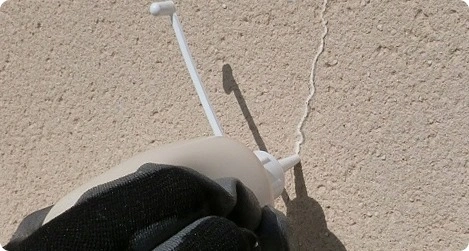
Hairline Cracks
Water forced into tiny imperfections may worsen existing cracks.
Repeated pressure washing over several years can contribute to:
- Water ingress
- Freeze-thaw damage
- Larger cracks developing
Patchy Appearance
Holding the pressure lance too close can remove more material from one area than another.
This creates:
- Visible striping
- Light patches
- Uneven texture
Fresh paint often highlights these defects rather than hiding them.
Water Penetration
Render is designed to shed water while remaining breathable.
Pressure washing can force moisture deep into:
- Hairline cracks
- Joints
- Porous areas
This delays drying before painting and may contribute to future problems.
Why Soft Washing Is Gentler
Soft washing focuses on cleaning rather than force.
The specialist cleaning solution does most of the work.
This allows contamination to be treated without damaging delicate render finishes.
Biological Growth Needs More Than Pressure
Many homeowners assume pressure alone removes algae permanently.
In reality, pressure washing usually removes only the visible growth.
The microscopic spores often remain.
This allows:
- Green algae
- Red algae
- Black mould
to return relatively quickly.
Soft washing targets the contamination itself, helping reduce regrowth.
Green Algae and Red Algae
Both forms of algae are common on rendered properties throughout the UK.
Green algae
Usually appears as:
- Green staining
- Dark patches
- Slimy surfaces
Red algae
Often develops as:
- Pink streaks
- Orange staining
- Rust-coloured marks
- Red patches
Both can spread beneath fresh paint if not properly treated beforehand.
Which Method Cleans More Thoroughly?
| Cleaning Task | Pressure Wash | Soft Wash |
|---|---|---|
| Surface dirt | Excellent | Excellent |
| Organic contamination | Moderate | Excellent |
| Moss removal | Good | Excellent |
| Lichen removal | Good | Excellent |
| Green algae treatment | Fair | Excellent |
| Red algae treatment | Fair | Excellent |
| Black mould treatment | Fair | Excellent |
| Paint preparation | Moderate | Excellent |
Soft Washing Helps Paint Last Longer
Exterior paint relies on proper adhesion.
Removing contamination beforehand helps improve:
- Paint bonding
- Colour consistency
- Overall appearance
- Durability
- Resistance to peeling
Proper preparation often extends repainting intervals.
Common DIY Mistakes
Many homeowners unknowingly create problems before painting.
Typical mistakes include:
- Holding the pressure washer too close
- Using maximum pressure
- Cleaning too quickly
- Missing biological growth
- Using unsuitable chemicals
- Painting before the wall dries
Professional preparation reduces these risks considerably.
Why Drying Time Matters
Regardless of the cleaning method, render should always be dry before painting.
Painting damp render may lead to:
- Blistering
- Poor adhesion
- Trapped moisture
- Flaking
Soft washing uses controlled amounts of water, helping manage drying more effectively than prolonged pressure washing.
Cost Comparison
Initial costs can sometimes influence the decision.
| Option | Typical Cost Considerations |
|---|---|
| DIY pressure washing | Equipment purchase or hire plus time |
| Professional pressure washing | Labour and equipment |
| Professional soft washing | Specialist treatment and preparation |
Although professional soft washing may involve a higher upfront investment, it often helps protect the much larger investment being made in exterior painting.
Which Properties Benefit Most From Soft Washing?
Soft washing is particularly beneficial for:
- Older rendered homes
- Recently rendered properties
- Listed buildings
- Homes surrounded by trees
- North-facing elevations
- Coastal properties
- Properties with recurring algae growth
These buildings often require a gentler approach than pressure washing can provide.
Common Signs Pressure Washing May Not Be Suitable
Your render may be unsuitable for pressure washing if you notice:
- Hairline cracks
- Hollow sounding areas
- Loose render
- Previous repairs
- Weathered surfaces
- Thin decorative coatings
A professional assessment helps determine the safest cleaning method.
Preparing Render for Decoration
Professional preparation generally follows several stages.
| Stage | Purpose |
|---|---|
| Inspection | Assess render condition |
| Identify contamination | Determine cleaning requirements |
| Soft wash application | Treat biological growth |
| Controlled cleaning | Remove contamination safely |
| Drying period | Prepare for painting |
| Final inspection | Ensure paint-ready surface |
Each step helps create the ideal substrate for new paint.
Environmental Considerations
Soft washing often uses significantly lower water pressure than traditional pressure washing.
Benefits include:
- Reduced risk of surface damage
- Better control of cleaning solutions
- Less water forced into the building fabric
- More targeted removal of biological contamination
For rendered properties, this controlled approach is generally better suited than aggressive cleaning methods.
Long-Term Value
The aim isn’t simply to make render look cleaner for a few days.
Proper preparation helps achieve:
- Longer-lasting paint
- Better kerb appeal
- Reduced maintenance
- Fewer future repairs
- Lower long-term decorating costs
Since exterior painting represents a considerable investment, preparing the render correctly beforehand often provides excellent value.
Soft Washing Supports Better Decorative Results
Professional decorators frequently emphasise that preparation determines the quality of the finished job. Even premium paints cannot perform to their full potential if applied over contamination, algae or mould.
Soft washing creates a cleaner, more stable surface by removing dirt, pollution and biological growth while minimising the risk of damage to the render itself. This gives paint the best opportunity to bond evenly and achieve a consistent finish.
For homeowners preparing to repaint rendered walls, arranging specialist cleaning through Soft Washing UK helps ensure the surface is properly prepared using methods specifically designed for delicate render, allowing new exterior coatings to perform as intended and maintain their appearance for longer.
Why High Pressure Doesn’t Always Mean Better Cleaning
It’s easy to assume that higher pressure automatically delivers better cleaning results. After all, watching dirt disappear under a powerful jet of water can be satisfying.
However, when it comes to render, cleaning isn’t simply about removing visible dirt.
Effective preparation before painting should also address:
- Microscopic biological contamination
- Organic staining
- Pollution deposits
- Mould spores
- Algae spores
Pressure alone cannot always achieve this.
In many cases, high-pressure water removes the symptoms while leaving the underlying contamination behind.
This is one reason why surfaces cleaned solely with pressure washing can sometimes begin showing signs of green algae, red algae or black mould again within a relatively short period.
Why Soft Washing Is Better for Painted Render
Many rendered homes have already been painted at least once.
Existing masonry paint can become weathered over time, making it even more vulnerable to damage from excessive pressure.
Older painted render may already have:
- Minor cracks
- Small areas of loose paint
- Weathered edges
- Surface chalking
- Thin protective coatings
Aggressive pressure washing can remove sections of sound paint unnecessarily, creating additional preparation work before repainting.
Soft washing provides a much gentler alternative by treating contamination without placing unnecessary stress on the existing coating.
The Importance of Even Surface Preparation
One of the keys to achieving a professional-looking paint finish is ensuring the surface absorbs paint evenly.
If one area of the render remains contaminated while another is completely clean, differences may become visible once the paint dries.
Uneven preparation can lead to:
| Issue | Effect on Finished Paint |
|---|---|
| Remaining dirt | Dull patches |
| Organic staining | Uneven colour |
| Moisture differences | Variable paint absorption |
| Surface contamination | Reduced adhesion |
| Patchy cleaning | Inconsistent finish |
Consistent cleaning helps create a more uniform appearance across the entire property.
Areas That Are Most Vulnerable to Damage
Certain parts of a rendered property require extra care during cleaning.
These include:
- Window reveals
- External corners
- Decorative mouldings
- Repaired sections
- Expansion joints
- Areas beneath rooflines
- Around vents and pipework
These features are often more susceptible to accidental damage from concentrated high-pressure water.
Low-pressure soft washing allows these areas to be cleaned far more safely.
Why Experienced Assessment Matters
Every rendered property is different.
Before any cleaning begins, several factors should be considered, including:
- The age of the render
- Whether it has been painted previously
- The type of contamination present
- Existing damage
- The surrounding environment
- The intended decorating schedule
Choosing the wrong cleaning method without assessing these factors can increase the likelihood of unnecessary repairs later.
Common Myths About Pressure Washing Render
There are several misconceptions that often influence homeowners’ decisions.
Myth 1: “Pressure washing sterilises the wall.”
Pressure washing removes visible contamination but doesn’t necessarily destroy algae or mould spores.
Myth 2: “More pressure gives a cleaner finish.”
Beyond a certain point, increasing pressure often increases the risk of damaging the render rather than improving the cleaning result.
Myth 3: “If it looks clean, it’s ready for paint.”
A wall can appear clean while still containing biological contamination that may shorten the life of the new paint.
Myth 4: “Render is as strong as brick.”
Although render protects the building, it is generally much softer and more vulnerable to surface erosion than brickwork.
Why Regular Cleaning Can Reduce Future Maintenance
Render doesn’t need to reach the stage where it’s heavily stained before being cleaned.
Routine maintenance helps prevent contamination becoming deeply established.
Benefits of periodic professional cleaning include:
- Slower build-up of dirt
- Reduced biological growth
- Improved kerb appeal
- Easier future repainting
- Lower long-term maintenance costs
By keeping contamination under control, homeowners may also extend the lifespan of both the render and the exterior paint system.
Choosing the Right Method Before Investing in Exterior Painting
When preparing a rendered property for decoration, it’s worth considering the overall value of the project rather than focusing solely on the cleaning stage.
Exterior painting often involves significant expenditure on:
| Project Element | Typical Investment |
|---|---|
| Scaffolding or access equipment | Hundreds to thousands of pounds |
| Premium masonry paint | Hundreds of pounds |
| Professional decorators | Thousands of pounds |
| Repairs and fillers | Additional cost |
| Labour time | Significant investment |
Against these costs, ensuring the render is properly cleaned beforehand is a relatively small part of the overall budget, yet one that can have a major influence on the finished result and the longevity of the paintwork.
For homeowners looking to achieve a durable, attractive exterior finish, professional soft washing from Soft Washing UK offers a safe and effective way to prepare render before painting. By removing dirt, pollution, black mould, moss, lichen, green algae and red algae using low-pressure techniques specifically suited to rendered surfaces, the wall is left in the best possible condition for successful decoration.