


Choosing the right render colour is about far more than aesthetics. While style, kerb appeal and property value are all important, the colour you choose can also affect how often your home appears dirty between professional cleans.
Every rendered property will collect some level of contamination over time. Dust, airborne pollution, moss spores and biological growth are unavoidable in the British climate. However, some colours disguise these marks much better than others.
If you’re planning a new render installation or considering re-rendering your property, understanding which colours hide dirt most effectively can save both time and maintenance costs.
Regular professional cleaning from Soft Washing UK helps maintain every render colour, keeping properties looking cleaner for longer.
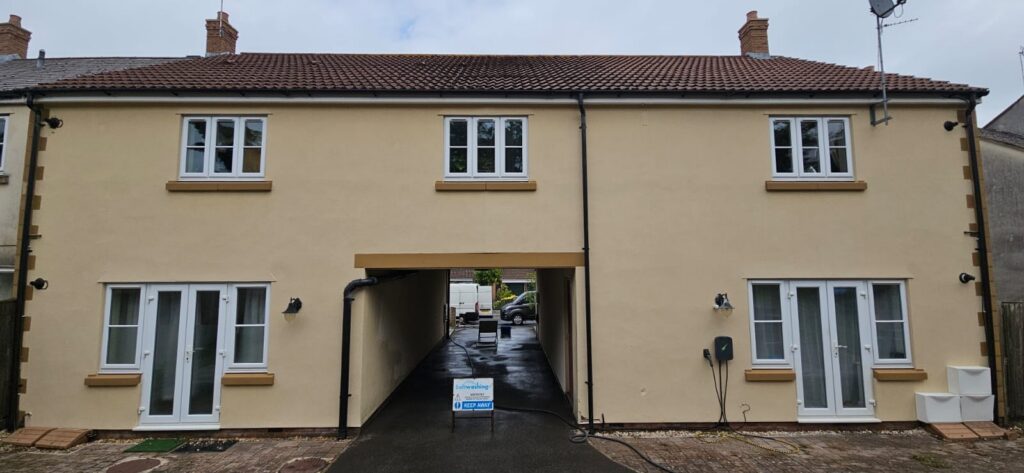
Does Render Colour Really Matter?
Yes.
The amount of dirt that accumulates on render is largely the same regardless of colour, but how visible that contamination becomes varies dramatically.
Lighter shades reveal stains much sooner, while darker colours can disguise certain types of contamination for longer.
This doesn’t mean darker render stays cleaner—it simply hides dirt more effectively.
| Render Colour | Dirt Visibility |
|---|---|
| Pure white | Very High |
| Off-white | High |
| Cream | High |
| Light grey | Medium |
| Mid grey | Low |
| Dark grey | Low |
| Beige | Medium |
| Sandstone | Medium-Low |
Why Render Gets Dirty
Render is constantly exposed to the weather.
Over time, it collects:
- Dust
- Vehicle emissions
- Tree pollen
- Rainwater deposits
- Atmospheric pollution
- Organic matter
- Green algae
- Red algae
- Moss spores
- Lichen
These contaminants gradually change the appearance of the surface.
Moisture then allows biological growth to develop.
White Render
White render remains one of the UK’s most popular choices.
Its bright, modern appearance complements both traditional and contemporary homes.
However, white also highlights virtually every mark.
Common issues include:
- Green streaks
- Black pollution staining
- Water marks
- Bird droppings
- Red algae staining
- General dirt
White render often benefits from more regular professional cleaning to maintain its fresh appearance.
Advantages
- Timeless appearance
- Reflects sunlight
- Makes properties appear larger
- Highly desirable
Disadvantages
- Shows dirt quickly
- Highlights pollution
- Staining becomes obvious
- Requires more maintenance
Cream Render
Cream offers a slightly softer appearance than brilliant white.
It hides light dust more effectively while still maintaining a bright finish.
However, biological contamination remains highly visible.
Green algae and red algae are usually easy to spot against cream-coloured render.
Light Grey Render
Light grey has become extremely popular with modern developments.
It offers an excellent balance between appearance and practicality.
Unlike white, it disguises:
- Light dust
- Minor pollution
- Small water marks
without making properties appear dark.
For many homeowners, light grey represents one of the best compromises between style and maintenance.
| Benefit | Rating |
|---|---|
| Modern appearance | ★★★★★ |
| Dirt concealment | ★★★★☆ |
| Algae visibility | ★★★☆☆ |
| Long-term appearance | ★★★★★ |
Mid Grey Render
Mid grey performs particularly well at hiding everyday contamination.
Small amounts of dust and pollution blend naturally into the colour.
It also disguises:
- Minor staining
- Rain streaks
- Atmospheric dirt
Although green algae and red algae will still develop under damp conditions, they generally become noticeable later than on white render.
Dark Grey Render
Dark charcoal render creates a striking contemporary appearance.
It hides:
- Dust
- Carbon deposits
- Minor staining
particularly well.
However, it has one disadvantage.
Lighter contaminants such as mineral deposits or bird droppings may become more noticeable.
Dark render can also absorb more heat during sunny weather.
Beige and Sandstone
Natural earth tones remain popular for rural properties.
Colours including:
- Beige
- Sandstone
- Buff
- Warm stone
blend naturally with the surrounding landscape.
They also disguise:
- Dust
- Soil splashes
- Light pollution
better than white finishes.
Which Colours Show Green Algae Most?
Green algae becomes visible against almost every render colour.
However, it appears much sooner on lighter shades.
| Render Colour | Green Algae Visibility |
|---|---|
| White | Very High |
| Cream | High |
| Beige | Medium |
| Light grey | Medium |
| Mid grey | Medium-Low |
| Dark grey | Low |
Even darker colours require professional cleaning once algae becomes established.
Don’t Forget Red Algae
Red algae is becoming increasingly common across many parts of the UK.
Unlike green algae, it often appears as:
- Pink staining
- Orange patches
- Rust-coloured streaks
- Red marks
Red algae can affect virtually any render colour.
It is particularly noticeable on:
- White
- Cream
- Pale grey
- Light stone finishes
Professional soft washing treatments are designed to safely remove both green algae and red algae while helping reduce future regrowth.
Air Pollution Affects Every Colour
Urban properties often experience:
- Vehicle emissions
- Brake dust
- Carbon deposits
- Construction dust
These contaminants create gradual dulling across all render colours.
Lighter shades simply reveal pollution more quickly.
North-Facing Walls Become Dirty Faster
Colour alone cannot prevent contamination.
North-facing walls typically remain damp for longer because they receive less direct sunlight.
This encourages:
- Green algae
- Red algae
- Moss
- Lichen
Even dark render will eventually show signs of biological growth if moisture remains trapped.
Trees Influence Colour Performance
Large trees create:
- Shade
- Increased humidity
- Falling leaves
- Moss spores
These conditions increase contamination regardless of render colour.
Properties surrounded by mature trees often require more regular maintenance than those in open locations.
Does Texture Affect Dirt Visibility?
Yes.
Smooth render generally sheds dirt more effectively.
Rougher finishes provide additional surface area where contaminants collect.
| Finish | Dirt Retention |
|---|---|
| Smooth silicone | Low |
| Fine texture | Medium |
| Heavy texture | High |
| Roughcast | Very High |
Combining a practical colour with a smoother finish often provides the easiest maintenance.
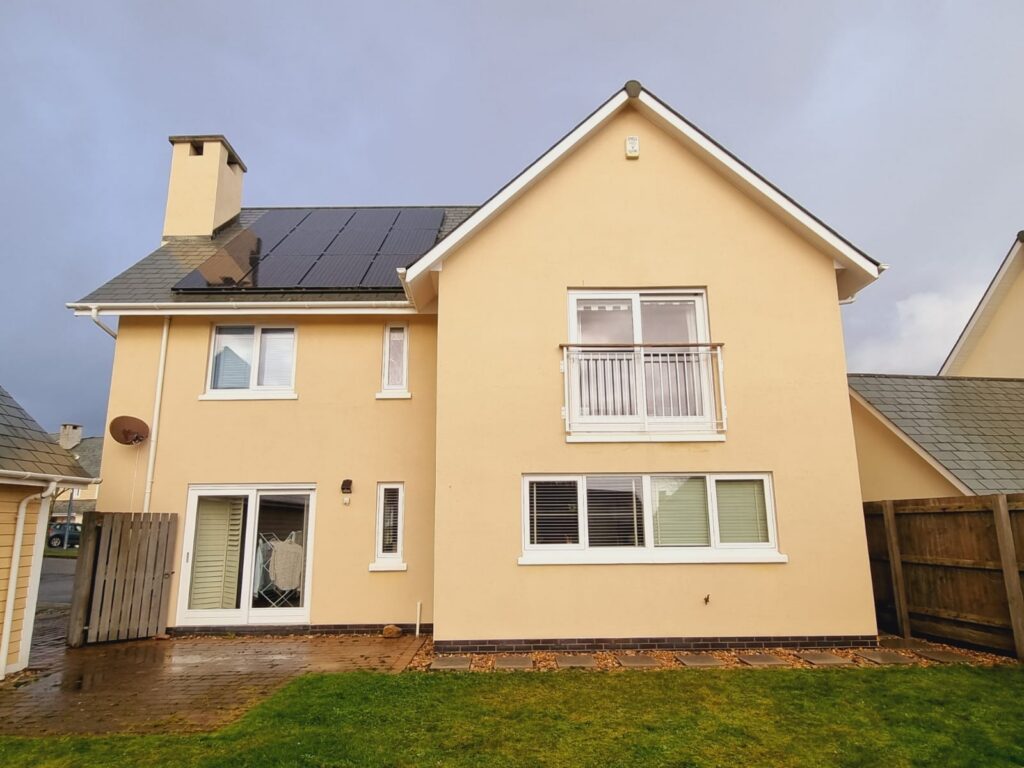
Popular Colour Choices for Modern Homes
Current trends favour neutral tones that complement both brickwork and roofing materials.
Popular options include:
- Light grey
- Mid grey
- Warm stone
- Soft beige
- Off-white
- Ivory
These colours create a contemporary appearance while disguising everyday dirt better than brilliant white.
Traditional Properties
Older homes often suit warmer shades.
Examples include:
- Cream
- Limestone
- Buff
- Sandstone
- Natural stone colours
These colours complement traditional architecture while reducing the visibility of dust and soil compared with pure white finishes.
Coastal Properties
Homes near the coast experience:
- Salt deposits
- Higher humidity
- Strong winds
- Sand particles
Mid-tone colours generally cope better visually with these conditions.
Very light render may require more frequent professional cleaning due to salt staining.
Does Dark Render Reduce Maintenance?
Not necessarily.
Although darker colours hide dirt for longer, biological growth still develops beneath the surface.
Ignoring contamination simply because it is less visible can eventually lead to:
- More difficult cleaning
- Heavier staining
- Reduced kerb appeal
Regular inspections remain important regardless of colour choice.
Professional Cleaning Helps Every Colour Last Longer
Professional soft washing removes contamination that ordinary rain cannot.
Benefits include:
- Brighter appearance
- Removal of biological growth
- Improved kerb appeal
- Longer-lasting clean finish
- Reduced staining
Unlike aggressive pressure washing, specialist soft washing treatments focus on removing contamination safely while protecting the render surface.
Typical Maintenance Costs
The cost of maintaining render depends on several factors.
These include:
- Property size
- Height
- Accessibility
- Amount of contamination
- Render type
Typical guide prices include:
| Property Type | Typical Professional Cost |
|---|---|
| Small bungalow | £500–£800 |
| Semi-detached house | £700–£1,200 |
| Detached house | £1,000–£2,000+ |
| Large executive property | £2,000+ |
Premium cleaning services often cost more than budget alternatives, but they usually include experienced technicians, specialist cleaning products, comprehensive insurance and treatments designed to provide longer-lasting results.
Choosing the Best Colour for Your Lifestyle
When selecting a render colour, consider more than appearance alone.
Ask yourself:
- Is the property surrounded by trees?
- Is it close to a busy road?
- Does the house have north-facing elevations?
- Will you carry out regular maintenance?
- Do you prefer a traditional or modern appearance?
A colour that looks beautiful on installation day should also continue looking attractive after years of exposure to the British climate.
For many homeowners, shades such as light grey, mid grey, warm beige and sandstone provide an excellent balance between style and practicality. Whatever colour you choose, keeping the render free from dirt, pollution, green algae and red algae through professional maintenance from Soft Washing UK will help preserve its appearance for many years.
How Climate Affects Different Render Colours
The UK’s climate is one of the biggest factors influencing how clean render remains throughout the year. Frequent rainfall, changing temperatures and high humidity all contribute to surface contamination.
While colour doesn’t prevent dirt from forming, it changes how noticeable that dirt becomes.
For example:
- White render may begin to show traffic pollution after only a few months.
- Light grey may disguise the same level of contamination for much longer.
- Mid-grey and sandstone often maintain a cleaner appearance between maintenance visits.
Homeowners living in wetter parts of the country should consider both aesthetics and long-term maintenance when selecting a render colour.
Matching Render Colour to Your Property Style
The best colour isn’t always the one that hides dirt most effectively. It should also complement the property’s architecture and surrounding environment.
| Property Style | Suitable Render Colours |
|---|---|
| Contemporary home | Light grey, mid-grey, charcoal |
| Traditional cottage | Cream, sandstone, buff |
| Victorian property | Warm stone, off-white |
| Rural farmhouse | Beige, limestone, sandstone |
| Coastal property | Mid-grey, soft beige, warm stone |
Choosing a timeless colour often provides better long-term satisfaction than simply following current trends.
Which Colours Fade the Least?
Sunlight gradually changes every exterior finish, although some colours fade more noticeably than others.
Generally:
- Mid-grey tends to maintain its appearance very well.
- Warm stone shades weather evenly.
- Sandstone hides gradual fading effectively.
- Brilliant white may become dull over time due to pollution rather than UV fading.
- Very dark colours can show slight fading in areas with prolonged sun exposure.
Professional cleaning removes surface contamination, making faded render appear brighter without repainting in many cases.
Can Colour Affect Property Value?
While colour alone doesn’t determine value, kerb appeal has a significant influence on first impressions.
A clean, well-maintained property often appears:
- Better cared for
- More modern
- More inviting
- Easier to maintain
Neutral render colours generally appeal to the widest range of buyers.
Shades such as:
- Light grey
- Warm beige
- Sandstone
- Soft cream
remain popular because they complement a wide variety of roof tiles, windows and doors.
Popular Colour Combinations
Many homeowners combine render with brickwork or cladding.
Some popular combinations include:
| Render Colour | Complements |
|---|---|
| Light grey | Anthracite windows, slate roofs |
| Sandstone | Natural stone, oak features |
| Cream | Red brick, brown roof tiles |
| Mid-grey | Black windows, modern cladding |
| Beige | Buff brickwork and timber |
Selecting complementary colours helps create a balanced appearance while reducing the impact of minor staining.
How Roof Colour Influences Your Choice
Roof tiles and render should work together.
For example:
- Dark roof tiles pair well with light or mid-grey render.
- Brown roof tiles often suit sandstone or cream.
- Slate roofs complement almost every neutral render colour.
Choosing colours that harmonise with existing roofing materials creates a more cohesive appearance across the property.
The Importance of Regular Inspections
Regardless of render colour, periodic inspections allow problems to be identified before they become widespread.
Look out for:
- Dark streaking
- Green patches
- Pink or red staining
- Moss around rooflines
- Water marks beneath gutters
- Discolouration around downpipes
Small areas of contamination are generally easier to treat than widespread biological growth.
Why Dirt Doesn’t Always Mean Damage
One common misconception is that dirty render has failed.
In reality, most contamination affects only the surface.
Dirt, algae and atmospheric pollution rarely indicate structural problems with the render itself.
However, allowing biological growth to remain for long periods can:
- Trap additional moisture
- Encourage further contamination
- Affect the property’s appearance
- Make future cleaning more difficult
Routine maintenance helps preserve both appearance and the render’s condition.
Modern Silicone Render and Colour Retention
Silicone render systems have become increasingly popular because they are designed to repel more water than traditional cement-based renders.
Benefits include:
- Improved water resistance
- Reduced dirt retention
- Better flexibility
- Long-lasting colour
- Lower maintenance requirements
Although these systems often remain cleaner for longer, they are still susceptible to pollution, green algae and red algae, particularly on shaded or north-facing elevations.
Why Location Matters More Than Colour
A white house in an open, sunny location may stay cleaner than a dark grey property surrounded by mature woodland.
Environmental conditions usually have a greater impact on contamination than colour alone.
Factors include:
- Tree cover
- Humidity
- Rainfall
- Air pollution
- Sunlight
- Wind exposure
When selecting render colour, it’s worth considering the property’s surroundings as much as its appearance.
Common Mistakes When Choosing Render Colour
Many homeowners select a colour based purely on photographs or newly completed homes.
Instead, consider:
- How the colour will look after several years.
- Whether it suits your roof and windows.
- The amount of maintenance you’re prepared to carry out.
- Local environmental conditions.
- Whether the property is heavily shaded.
Visiting completed homes with render that has weathered naturally can provide a far more realistic impression than newly installed finishes.
Keeping Every Colour Looking Its Best
No render colour is completely maintenance-free.
Whether your home features white, sandstone, beige or grey render, keeping the surface clean significantly improves its appearance and longevity.
Professional soft washing helps to:
- Remove surface dirt.
- Eliminate green algae.
- Treat red algae.
- Remove atmospheric pollution.
- Improve overall brightness.
- Restore kerb appeal.
Combined with good maintenance practices such as clearing gutters, trimming overhanging trees and ensuring proper drainage, professional cleaning helps every render colour continue looking its best throughout the year.
Selecting a Colour That Works Long-Term
The ideal render colour should balance style with practicality.
Homeowners looking for the lowest visible maintenance often find that neutral mid-tones such as light grey, mid-grey, sandstone and warm beige offer an excellent compromise. They disguise everyday dirt more effectively than brilliant white while remaining timeless and attractive across both modern and traditional properties.
Ultimately, even the most forgiving render colour benefits from periodic professional maintenance to remove dirt, pollution and biological growth before it becomes firmly established, ensuring the property continues to look clean, well-presented and cared for year after year.