


Render cleaning plays a key role in maintaining the appearance of properties across the UK. Modern render systems can completely transform a building’s exterior, but they are constantly exposed to rain, pollution, and biological growth. Over time, this leads to staining, fading, and an overall tired finish.
When people start exploring professional render cleaning, the first question is usually what actually drives the cost.
There isn’t a single fixed price. Every property is different, and the final cost depends on a mix of practical, structural, and environmental factors. Understanding these helps set realistic expectations and makes quotations easier to interpret.
Why Understanding Render Cleaning Costs Matters
Knowing what influences pricing helps homeowners and property managers make better decisions. It also prevents confusion when quotes vary between companies.
Render cleaning is not just about washing a surface. The method used, the condition of the render, and the environment around the building all affect how much work is involved. A proper understanding of these factors makes it easier to compare like for like quotes rather than just focusing on the final number.
The Key Reasons Prices Differ Between Properties
No two render cleaning jobs are identical. Even properties that look similar from the outside can require completely different approaches.
The main reasons costs vary include:
- Type of render system
- Level of staining or biological growth
- Access around the building
- Height and layout of the property
- Cleaning method required
- Surrounding environment
- Overall condition of the surface
Each of these factors affects labour time, equipment needs, and the amount of treatment required to achieve a proper finish.
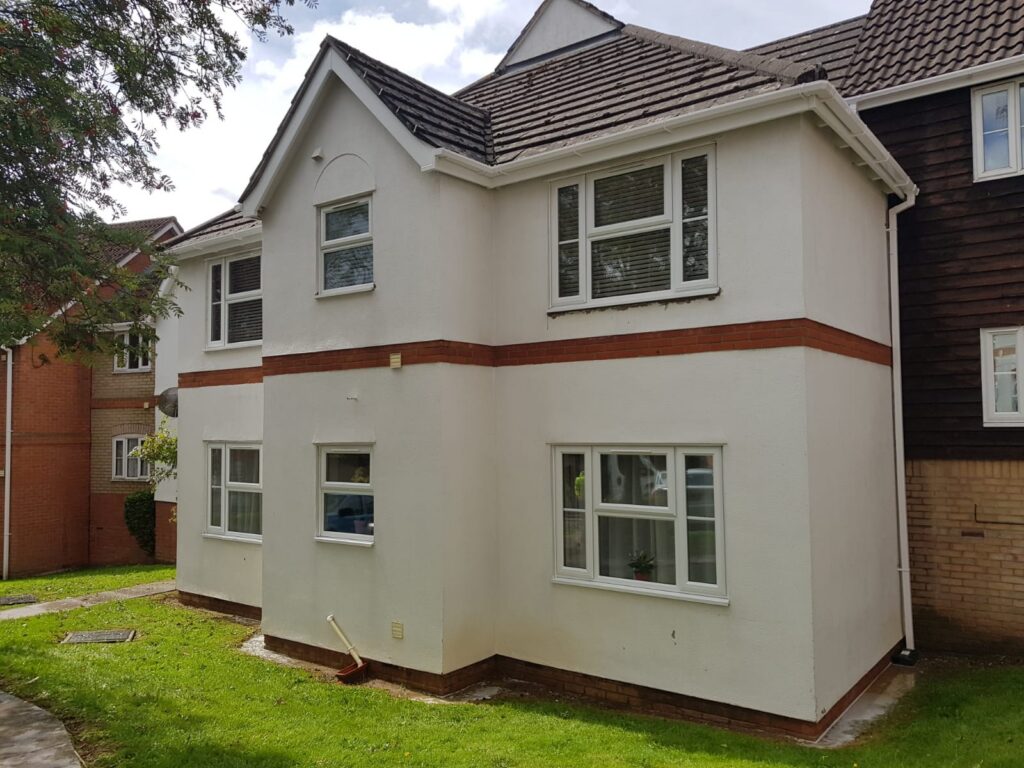
How Property Size Influences the Overall Cost
Size is one of the most straightforward pricing factors. Larger properties have more surface area, which means more time, more cleaning solution, and more effort on site.
That said, larger projects can sometimes benefit from efficiencies once work is underway, so the cost per square metre may reduce slightly compared to smaller jobs.
Typical UK pricing ranges look like this:
- Small bungalow: £350–£700 + VAT
- Semi-detached house: £500–£1,000 + VAT
- Detached house: £800–£1,800 + VAT
- Large detached property: £1,500–£3,000+ + VAT
These are general figures. Final pricing depends heavily on condition, access, and the level of contamination.
Why Render Type Affects Cleaning Methods and Pricing
Different render systems respond differently to cleaning techniques. This directly affects both cost and approach.
Common types include:
- Cement render: durable and generally more forgiving
- Monocouche render: colour-through system that needs careful handling
- Silicone render: flexible and widely used on modern homes
- Acrylic render: can be more sensitive depending on formulation
- Painted render: usually the most delicate and requires extra care
More delicate surfaces often require lower-pressure methods and specialist treatments. This increases both time and attention to detail, which can affect overall cost.
How Staining, Algae, and Mould Impact Cost
The level of contamination is one of the biggest pricing factors.
Common issues include:
- Green algae
- Red algae (from the genus Trentepohlia)
- Black mould
- Moss growth
- Lichen
- General atmospheric pollution
Light surface staining is usually quick to treat. Heavier contamination that has built up over years requires more intensive cleaning, longer dwell times for treatments, and sometimes multiple applications.
Properties that have been left untreated for long periods often need a full restoration-style clean rather than a simple maintenance wash.
The Effect of Height on Safety and Pricing
Height has a direct impact on both safety requirements and working time.
Single-storey homes are generally straightforward. Two-storey properties are standard for most residential work. Anything above that introduces additional considerations such as access planning and safety equipment.
As height increases, so does:
- Setup time
- Equipment requirements
- Safety procedures
- Overall labour duration
This naturally increases the overall cost of the job.
How Access Conditions Change the Scope of Work
Access is often underestimated but can significantly influence pricing.
Good access allows work to progress efficiently. Restricted access increases setup time and can limit equipment options.
Common challenges include:
- Narrow side passages
- Extensions or conservatories close to walls
- Limited parking for equipment
- Sloped or uneven ground
- Obstacles around the perimeter
In more complex cases, specialist access equipment may be required, which adds to the overall cost.
Choosing the Right Method for Each Render Type
The cleaning method used is one of the most important cost drivers.
Soft washing
Soft washing uses specialist cleaning solutions to break down and kill organic growth at its source. It is widely used on render because it delivers longer-lasting results and helps prevent rapid regrowth.
Pressure washing
Pressure washing uses high-pressure water to remove surface dirt. While effective in some situations, it is not always suitable for modern render systems and may not address deeper biological growth.
Steam cleaning
Steam cleaning uses high-temperature, low-pressure water. It can be effective in certain cases but requires specialist equipment and careful control.
The condition of the render usually determines the safest and most effective method.
How Location and Surroundings Affect Render Condition
The environment around a property plays a big role in how quickly render becomes dirty again.
- Coastal areas are exposed to salt and moisture, which encourages staining
- Rural areas often experience higher organic growth due to vegetation
- Urban areas are affected by pollution and traffic residue
- Shaded areas stay damp longer, encouraging algae growth
Properties in damp or shaded locations typically require more frequent cleaning compared to those in open, sunny positions.
How Maintenance Intervals Impact Long-Term Costs
Frequency of cleaning has a direct impact on overall maintenance costs.
Regularly maintained render:
- Stays cleaner for longer
- Requires less intensive treatment
- Builds up less stubborn staining
- Is quicker to restore
Neglected render often develops deep-set biological growth, which takes longer to remove and increases cost.
A simple maintenance schedule can significantly reduce long-term spending.
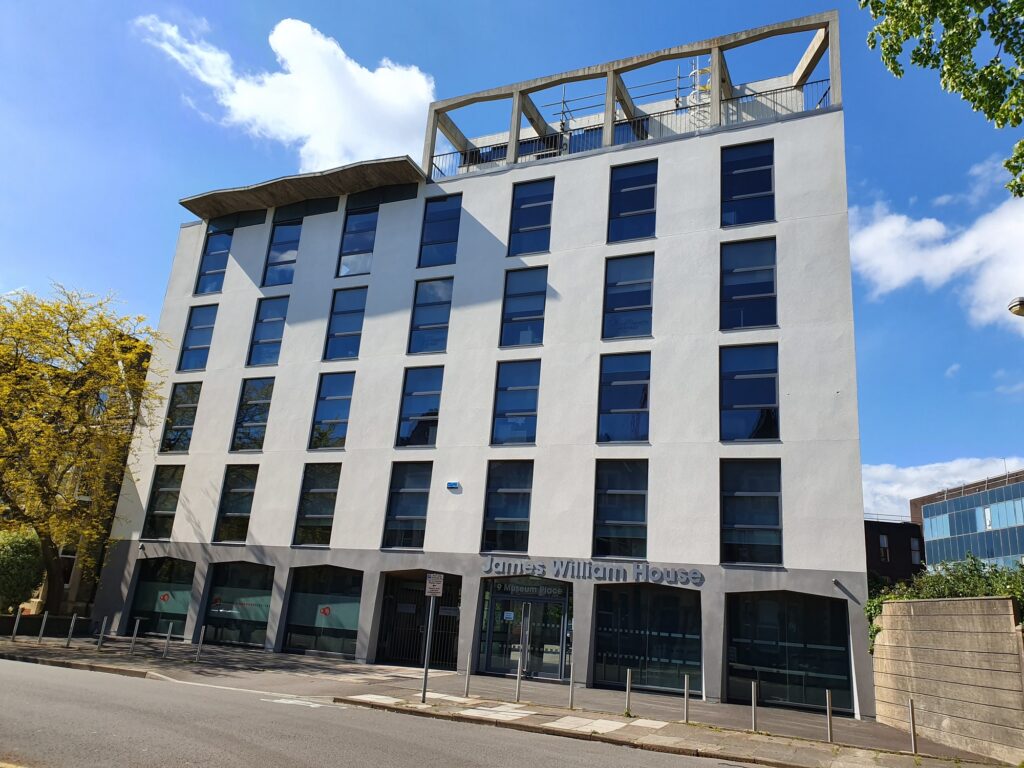
Why Commercial Render Cleaning Is Priced Differently
Commercial properties often involve more planning and coordination compared to residential work.
Additional requirements may include:
- Risk assessments
- Public safety measures
- Out-of-hours working
- Traffic or pedestrian management
- Larger access systems or equipment
Because of these factors, commercial pricing is usually structured differently and reflects the increased complexity of the job.
Optional Treatments That Improve Long-Term Results
Some jobs benefit from additional treatments beyond the main clean.
These can include:
- Biocide treatments to slow regrowth
- Protective coatings to reduce future staining
- Targeted stain removal for stubborn marks
- Ongoing exterior maintenance services
While not always essential, these options can improve long-term appearance and reduce how quickly contamination returns.
How On-Site Surveys Ensure Accurate Pricing
Accurate pricing is difficult without seeing the property in person.
A proper site survey allows professionals to assess:
- Render type and condition
- Level of contamination
- Access restrictions
- Building height and layout
- Environmental exposure
- Any existing surface damage
Photos can be helpful, but they rarely show the full picture. Small details on site can significantly change the scope of work required.
A survey ensures the correct method is chosen and helps avoid unexpected costs later.
Key Takeaways on Render Cleaning Costs and Planning
Render cleaning costs vary because every property presents a different set of challenges. Size, access, render type, contamination levels, and environmental exposure all play a part in determining the final price.
There is no universal cost because there is no standard property.
The most reliable way to get an accurate figure is through a proper assessment. This ensures the right method is used, the work is carried out safely, and the finish lasts as long as possible.
In most cases, the real value comes not just from the cleaning itself, but from understanding how to maintain the surface afterwards so it stays cleaner for longer.