


Render cleaning has become an essential part of exterior property maintenance across the UK. Modern render systems can significantly improve the appearance of a building, but they are constantly exposed to weather, pollution, and biological growth. Over time, this leads to staining, discolouration, and a tired-looking finish.
When property owners begin looking into professional cleaning, the main question is usually what actually influences the cost.
The reality is there is no single fixed price. Every property is different, and the final cost depends on several practical and environmental factors. Understanding these helps set realistic expectations and makes it easier to compare quotations.
Why Render Cleaning Prices Vary
Render cleaning is never a one-size-fits-all service. Even two similar properties can require very different levels of work depending on:
- Type of render installed
- Level of staining or biological growth
- Access around the property
- Height of the building
- Cleaning method required
- Surrounding environment
- Overall condition of the surface
Each of these factors affects the time, equipment, and products needed to complete the work properly.
Size of the Property
The total surface area is one of the biggest factors in determining cost.
Larger properties require more labour, more cleaning solution, and more time on site. However, larger projects can sometimes benefit from improved efficiency once work is underway.
As a general guide, typical UK property ranges include:
- Small bungalow: £350–£700 + VAT
- Semi-detached house: £500–£1,000 + VAT
- Detached house: £800–£1,800 + VAT
- Large detached property: £1,500–£3,000 upwards + VAT
These figures can vary depending on access, condition, and level of contamination.
Type of Render
Different render systems respond in different ways to cleaning methods, which directly affects cost and approach.
Common types include:
- Cement render (generally robust)
- Monocouche render (colour through, requires care)
- Silicone render (flexible modern finish)
- Acrylic render (more delicate in some cases)
- Painted render (most sensitive to cleaning)
More delicate finishes often require a gentler approach to avoid damage or changes in appearance.
Level of Contamination
The condition of the render is one of the most important cost drivers.
Common forms of staining include:
- Green algae
- Red algae (from the genus Trentepohlia)
- Black mould
- Moss
- Lichen
- General pollution and dirt build-up
Light surface staining is usually quicker to treat. Heavier or long-established contamination takes longer, requires more product, and may need multiple applications.
Properties that haven’t been cleaned for many years often need a more intensive restoration approach.
Building Height
Height affects both safety requirements and access methods.
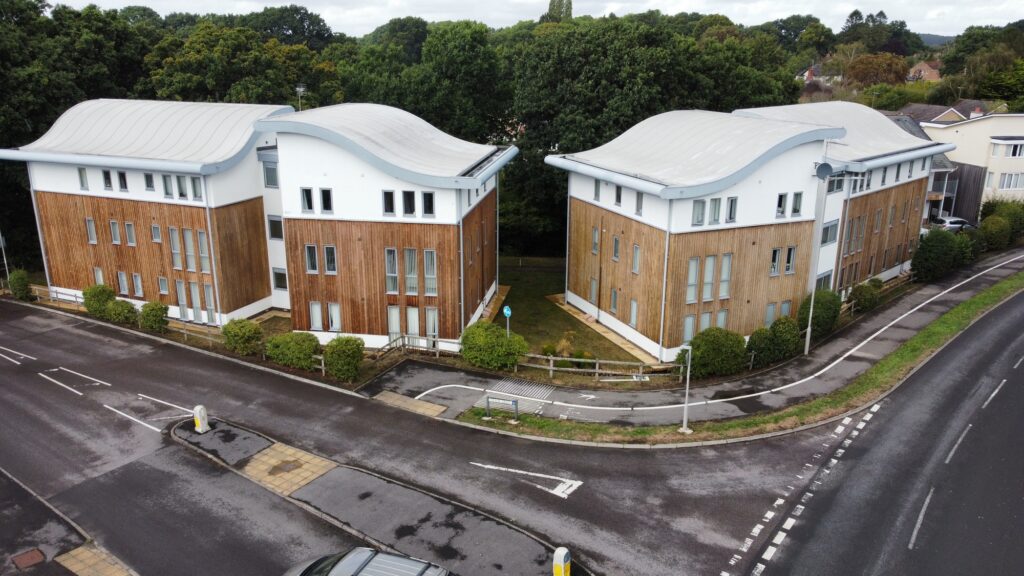
Single-storey properties are usually the simplest to work on, while two-storey homes are standard for most residential projects. Anything above this typically requires additional planning, equipment, and safety measures.
As height increases, so does the complexity of the job and the time required to complete it safely.
Access Around the Property
Access plays a major role in how efficiently the work can be carried out.
Good access helps keep work straightforward, while restricted access increases labour time and equipment needs.
Common challenges include:
- Narrow side passages
- Conservatories or extensions
- Limited parking
- Sloped or uneven gardens
- Obstructions close to external walls
In more difficult cases, specialist access equipment may be required.
Cleaning Method Used
The method used has a direct impact on both cost and long-term results.
Soft washing
Soft washing uses specialist treatments to break down biological growth at its source. It is widely used for render because it delivers longer-lasting results and helps reduce regrowth.
Pressure washing
Pressure washing relies on water pressure to remove surface dirt. While effective in some situations, it is not always suitable for modern render systems and may not treat underlying biological growth.
Steam cleaning
Steam cleaning uses high-temperature water at low pressure. It can be effective in certain cases but often requires specialist equipment and careful application.
The condition and type of render usually determine the most appropriate method.
Environmental Factors
The surrounding environment has a strong influence on how quickly render becomes dirty.
- Coastal properties are exposed to salt and moisture
- Rural homes often experience higher levels of vegetation and damp
- Urban buildings are affected by pollution and traffic residue
- Shaded areas encourage algae growth due to reduced sunlight
Properties in damp or shaded locations often require more frequent maintenance.
Frequency of Cleaning
Regular maintenance helps reduce long-term costs and keeps render looking better for longer.
Properties that are cleaned periodically tend to:
- Stay cleaner for longer
- Require less intensive treatment
- Avoid deep staining
- Need fewer repeat applications
Neglected render often requires significantly more work to restore.
Commercial vs Domestic Work
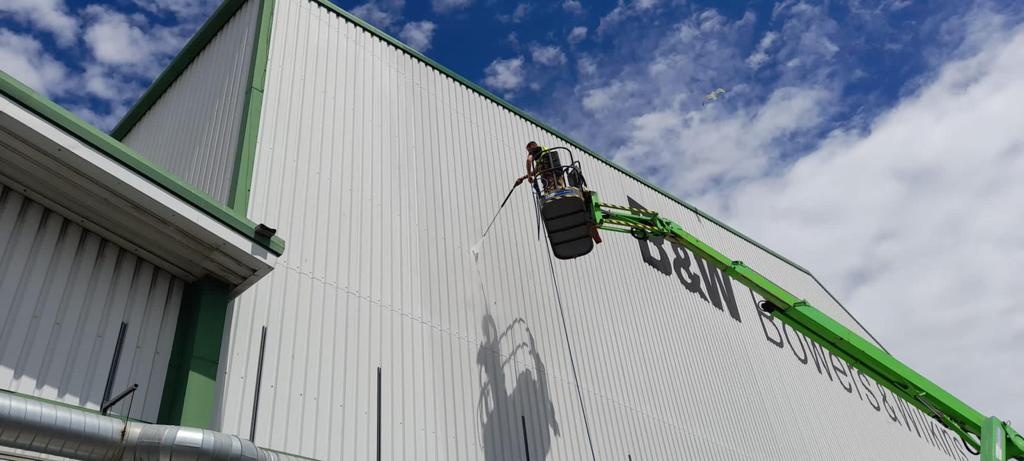
Commercial properties usually involve additional planning and safety requirements.
These may include:
- Risk assessments
- Public protection measures
- Traffic management
- Out-of-hours working
- Larger access systems
As a result, commercial projects often follow a different pricing structure compared to domestic work.
Additional Treatments
Some properties benefit from extra treatments alongside cleaning.
These may include:
- Biocide applications to reduce regrowth
- Protective coatings
- Stain removal treatments
- Gutter or exterior cleaning services
While optional, these can improve long-term results and reduce how quickly staining returns.
Why Professional Assessment Is Important
Every property is different, so accurate pricing depends on a proper inspection.
A site survey allows professionals to assess:
- Render type
- Level of contamination
- Access conditions
- Building height
- Presence of algae growth
- Any existing surface issues
This ensures the correct method is chosen and helps avoid unexpected costs later in the process.
Photographs can help, but they rarely provide the full picture.
Final Thoughts
Render cleaning costs vary because no two properties are the same. The main factors are size, access, render type, contamination levels, and environmental exposure.